Healthy Eating for Seniors: Top Products and Tips for a Balanced Diet
Healthy Eating for Seniors: Best Nutrition Guides & Cookbooks for Healthy Aging
Healthy eating for seniors is about choosing nutrient-dense foods, simple meal routines, and realistic recipes that support energy, strength, heart health, digestion, and independence. The best senior nutrition books make healthy eating easier by turning broad advice into practical shopping lists, meal plans, and everyday food choices.
As we age, eating well can feel more complicated. Appetite may change. Cooking may feel tiring. Medical conditions can affect food choices. Some seniors need more protein, some need lower sodium, and others simply want easy meals that do not waste time, money, or energy.
USDA MyPlate recommends that older adults eat a variety of fruits, vegetables, grains, protein foods, and dairy or fortified soy alternatives while choosing foods lower in added sugars, saturated fat, and sodium. It also notes that older adults may need to pay attention to nutrients like calcium, vitamin D, potassium, fiber, vitamin B12, and protein. (source)
That is why the right nutrition guide or cookbook can be useful. It will not replace a doctor, registered dietitian, or personalized medical plan, but it can help seniors build better daily habits with less confusion.
Best Healthy Eating for Seniors Books and Cookbooks
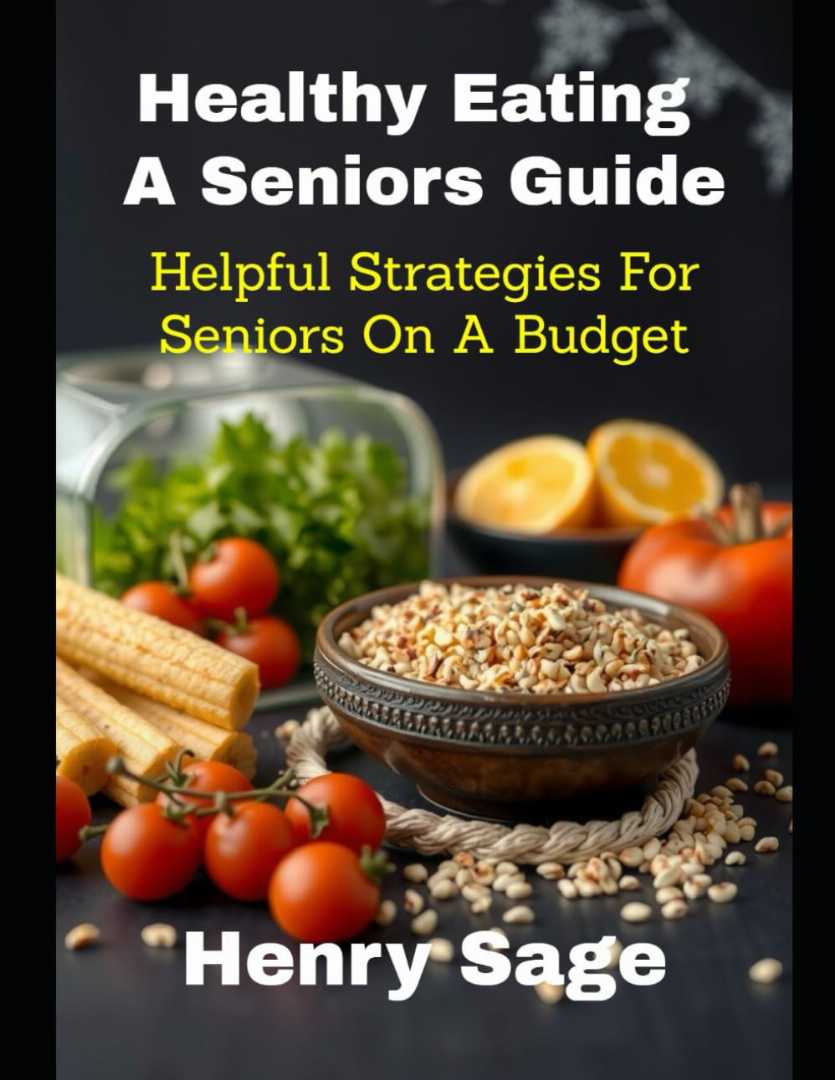
Healthy Eating, A Seniors Guide
 View Current Price on Amazon
Overview: This guide is a strong starting point for seniors who want healthier meals without overspending. Its biggest appeal is practicality. Instead of focusing only on theory, it appears designed around everyday senior challenges such as fixed income, simple food choices, and realistic meal planning.
- Key features:
- Budget-friendly healthy eating strategies
- Senior-focused nutrition guidance
- Short, manageable format
- Practical advice for everyday meals
- Useful for caregivers and older adults living independently
- Pros:
- Good option for seniors on a budget
- Easy to understand and not overwhelming
- Focuses on practical eating habits
- Helpful for caregivers planning meals
- Recent publication adds relevance
- Cons:
- Shorter length may not cover complex medical diets in depth
- Not a substitute for personalized nutrition advice
- May be too basic for readers already familiar with senior nutrition
Best for: Seniors who want a simple, affordable guide to healthy eating without getting lost in technical nutrition language.
Why we recommend it: This is a sensible “first book” for healthy eating for senior citizens because it focuses on realistic improvements rather than strict dieting.
Buying advice: Choose this if your main concerns are budget, simplicity, and building better eating habits step by step.
The Easiest Mediterranean Diet Cookbook For Seniors
 View Current Price on Amazon
Overview: The Mediterranean diet is one of the most recommended eating patterns for overall wellness, especially for people interested in heart-friendly meals. The American Heart Association describes a Mediterranean-style diet as one that emphasizes vegetables, fruits, whole grains, beans, legumes, fish, poultry, non-tropical vegetable oils, and nuts while limiting added sugars, sodium, highly processed foods, refined carbohydrates, saturated fats, and processed meats. (source)
- Key features:
- Mediterranean recipes tailored for seniors
- Focus on healthy aging, weight management, and longevity
- Beginner-friendly meal ideas
- Whole-food approach
- Practical cookbook format
- Pros:
- Strong fit for seniors wanting heart-conscious meals
- Simple recipes make the diet easier to follow
- Good for weight management without extreme restrictions
- Useful for seniors who want more vegetables, beans, fish, and healthy fats
- Cons:
- Recipe variety may feel limited due to shorter page count
- Mediterranean-style meals may not suit every taste preference
- Some seniors may need ingredient substitutions for sodium, allergies, or medication-related restrictions
Best for: Seniors who want a healthier eating pattern built around vegetables, whole grains, fish, legumes, and olive-oil-style meals.
Why we recommend it: It matches a well-known eating pattern that many seniors can follow long term without feeling deprived.
Buying advice: Pick this if you want a senior-friendly cookbook rather than a general nutrition lecture.
Basic Nutrition For Seniors
 View Current Price on Amazon
Overview: Basic Nutrition for Seniors is best for readers who want the fundamentals. Many seniors do not need a complicated diet plan; they need clear explanations about protein, fiber, hydration, vitamins, minerals, portion control, and better grocery choices.
- Key features:
- Simple senior nutrition education
- Focus on healthy eating as you age
- Short and easy-to-read format
- Practical tips for daily food choices
- Good for caregivers and family members
- Pros:
- Beginner-friendly
- Good for readers who want nutrition basics
- Helpful for building confidence
- Short format reduces overwhelm
- Useful as a quick reference
- Cons:
- Not a full cookbook
- May not include enough meal plans for some readers
- Advanced readers may find it too simple
Best for: Older adults who want to understand the basics before choosing a specific diet or recipe book.
Why we recommend it: This is a good educational guide for anyone starting from scratch with healthy eating tips for seniors.
Buying advice: Buy this if you want simple explanations first. Pair it with a cookbook if you also need recipes.
AFib Diet Guide
 View Current Price on Amazon
Overview: This guide is designed for people managing atrial fibrillation or those who want a more heart-conscious eating plan. For seniors with heart rhythm concerns, diet decisions should be made carefully, especially when medications, sodium limits, alcohol intake, caffeine, or other triggers are involved.
- Key features:
- Heart-healthy eating focus
- Designed around AFib support
- Practical trigger-awareness approach
- Compact reference format
- Useful for seniors seeking condition-specific guidance
- Pros:
- More targeted than a general senior nutrition book
- Good fit for heart-health-focused readers
- Encourages confidence around food choices
- Practical and focused
- May help readers discuss diet questions with their healthcare provider
- Cons:
- Not a medical treatment guide
- Seniors with AFib should not rely on diet advice alone
- Medication interactions and individualized restrictions require professional guidance
Best for: Seniors with AFib or heart rhythm concerns who want a nutrition guide to support conversations with their doctor or dietitian.
Why we recommend it: It fills a specific need that general cookbooks may not address.
Buying advice: Choose this only if AFib or heart rhythm support is relevant. For general healthy aging, a broader senior nutrition book may be more useful.
View Current Price on Amazon