
Headline Some links on this website are affiliate links, meaning we may earn a small commission if you purchase through them. No extra cost to you

Bathroom Safety | 5 Sub Categories Found | 52 Products Found

Bathroom Safety

Bathroom Safety Equipment for Seniors

Bathroom Safety Equipment for Seniors. The bathroom is a leading location for senior falls in the U.S. These accidents are a major threat to independence.
Thankfully, fear doesn’t have to outweigh the desire to age at home. Simple, proactive safety upgrades can prevent injuries and preserve confidence. This isn’t about limitations; it’s about empowering safe, independent living.
This guide covers the essential U.S. equipment—from grab bars to shower chairs—to transform your bathroom into a secure, accessible space.

Precaution:

Don't trust easily before reading the topic carefully

The Importance of Bathroom Safety Equipment for Seniors


A senior-friendly bathroom setup is crucial for maintaining safety, independence, and overall well-being in daily life. As mobility, balance, and sensory abilities change with age, the bathroom—a frequent site of household accidents—becomes a high-risk area without proper adaptations.

1. Safety & Fall Prevention - Reduces slip/trip risks: Nonslip flooring, well-lit spaces, and clutter-free layouts prevent falls, which are a leading cause of injury among seniors. Provides support: Strategically placed grab bars, shower chairs, and raised toilet seats offer stability during transfers and movement.

2. Promotes Independence - Enables seniors to perform personal hygiene routines (bathing, grooming, toileting) without constant assistance, preserving dignity and self-reliance.
Accessible features like walk-in showers and lever-style faucets reduce physical strain, making daily tasks manageable.

3. Supports Health & Hygiene - Reduces fear of bathing, encouraging regular hygiene—critical for skin health and infection prevention. Comfort features (e.g., adjustable showerheads, temperature controls) accommodate medical conditions like arthritis or limited mobility.

4. Psychological Well-Being - Mitigates anxiety associated with bathroom use, fostering confidence and mental peace. Allows aging in place, which is linked to better emotional health and life satisfaction.

5. Long-Term Cost & Care Efficiency - Prevents expensive emergency care from falls. Eases the caregiving burden, reducing long-term assistance needs.

How to prevent bathroom accidents for the elderly

·    
          ·  Problem- Falls in the shower often result in serious injuries, such as hip fractures, head trauma, or spinal injuries. These can lead to hospitalization, reduced mobility, loss of independence, and a prolonged recovery period, profoundly impacting quality of life

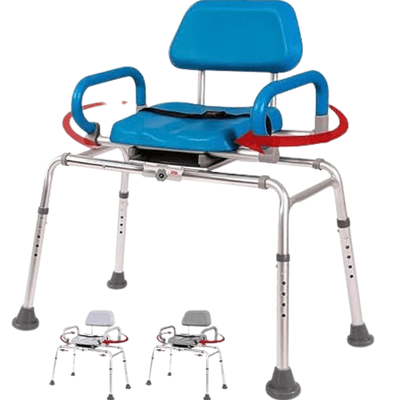
         Solution – TopShower Chairs for Seniors and the Elderly

     
      This risk is largely preventable. A shower chair provides stable seating, allowing elders to shower safely without bearing full weight on their legs, thereby mitigating fall hazards.


·   Problem: Difficulty maintaining balance and stability while          using the bathroom, leading to a higher risk of slips and falls.

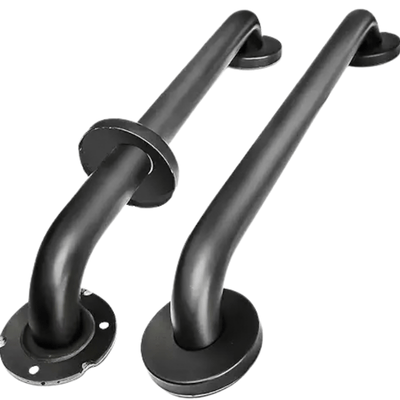
     Solution:  Reliable Grab Bars for Seniors to PreventFalls in 2026

      This grab bar provides sturdy support, allowing individuals to safely maneuver in and out of the shower or bathroom. Its strong stainless steel construction can hold up to 500 lbs, significantly reducing the risk of accidents.

·    ·  Problem: Knee pain and difficulty bending can make it challenging for individuals to sit down or stand up from a standard toilet, increasing the risk of falls.

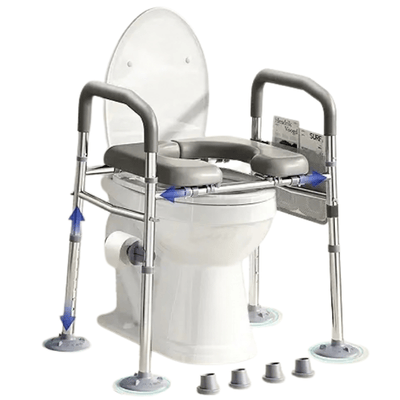
          Solution: Raised toilet seatwith handles to alleviate knee pain

  
     This product elevates the seating position, reducing the need to bend the knees deeply. The attached handles provide additional support, making it easier and safer to sit down and stand up, thereby alleviating discomfort and enhancing stability.    

·     Problem: Difficulty safely entering and exiting the shower can lead to slips, falls, and anxiety about bathing.

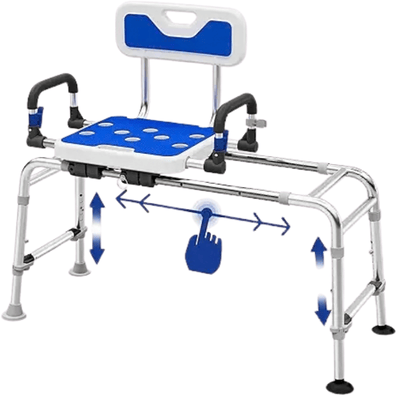
  Solution: Shower Chair vs TransferBench for making regular baths easier for elders 

·         Shower Chair Use: Provides a stable seating option within the shower, allowing individuals to sit while bathing, which reduces the risk of falls.
  Transfer Bench Use: Extends over the edge of the tub, allowing users to sit on the bench outside the tub and then slide over into the shower area, making it easier and safer to transition.

·       Both options enhance safety and comfort during bathing, but the best choice depends on the individual's specific needs and bathroom setup.

Let me relieve your concerns with the FAQ

Q: What are the most important bathroom safety upgrades for seniors?
The essentials are grab bars, non-slip flooring, a shower chair, and a raised toilet seat. These directly reduce fall risk. If mobility is limited, a walk-in shower or transfer bench makes a big difference.

Q: How can I make a bathroom safer without a full renovation?
Start small. Add suction or wall-mounted grab bars, use non-slip mats, install a handheld showerhead, and improve lighting. These changes are affordable and still highly effective.

Q: Are shower chairs really necessary for seniors?
If balance or stamina is an issue, yes. A shower chair allows seniors to sit while bathing, which reduces fatigue and prevents slips. It’s one of the simplest ways to improve safety.

Q: What’s the difference between a shower chair and a transfer bench?
A shower chair stays inside the shower. A transfer bench extends outside the tub, letting users sit first and slide in. Transfer benches are better for seniors with limited mobility or post-surgery recovery.

Q: Do grab bars actually prevent falls?
Yes, when properly installed. They provide stable support when sitting, standing, or stepping in and out of the shower. Wall-mounted grab bars are much safer than suction ones.

Q: Where should grab bars be installed in a senior bathroom?
Key spots include next to the toilet, inside the shower, and at the entrance of the tub or shower area. Placement should match the user’s movement patterns.
Q: reduces the effort needed to sit and stand. This is especially helpful for seniors with knee pain, arthritis, or limited leg strength.

Q: Are bathroom safety products covered by Medicare in the U.S.?
Generally, Medicare does not cover most bathroom safety equipment, like grab bars or shower chairs.
Q: How can I prevent bathroom falls for elderly parents living alone?
Install safety equipment, ensure good lighting, remove clutter, and consider emergency alert systems. Regular check-ins also help reduce risks.

Q: What type of flooring is safest for senior bathrooms?
Slip-resistant flooring like textured vinyl or rubber is ideal. Avoid smooth tiles unless they have anti-slip treatment.

Q: How often should bathroom safety equipment be checked?
At least every few months. Check for loose grab bars, worn-out rubber tips on chairs, and stability issues.

Q: Is a walk-in shower better than a bathtub for seniors?
Yes, in most cases. Walk-in showers eliminate the need to step over a high tub wall, which is a common cause of falls.

Q: What are the best shower chairs for seniors in 2026?
Look for models with adjustable height, non-slip feet, back support, and a high weight capacity. Comfort and stability matter more than brand name.

Q: Can bathroom safety improvements help seniors stay independent longer?
Absolutely. A safer bathroom reduces injury risk, which means seniors can manage daily routines without constant assistance.

Q: What are the biggest causes of bathroom accidents in the elderly?
Wet surfaces, poor balance, weak muscles, and lack of support structures like grab bars are the main causes.

Q: How do I choose the right bathroom safety products for my needs?
Focus on mobility level, balance, and specific pain points. For example, knee pain → raised toilet seat. Poor balance → grab bars + shower chair.

Q: Are suction grab bars safe to use?
They can be useful for temporary support but should not be relied on for full body weight. Permanent, wall-mounted bars are safer.
 
Q: What lighting is best for senior-friendly bathrooms?
Bright, even lighting with minimal shadows. Motion-sensor night lights are especially helpful for nighttime use.

Q: Do seniors need professional installation for bathroom modifications?
For major upgrades like grab bars or walk-in showers, yes. Proper installation ensures safety and durability.

Q: What is the easiest way to start making a bathroom senior-friendly?
Start with the highest risk areas: install a grab bar, add a non-slip mat, and use a shower chair. These three changes alone can significantly reduce fall risk.

A well-designed bathroom setup can completely change how seniors experience daily routines. Instead of discomfort and uncertainty, it creates ease, stability, and control. Thoughtful additions like support rails, seating options, and elevated fixtures work together to reduce risks and simplify movement. In the end, it’s not just about avoiding accidents—it’s about making everyday life smoother, safer, and far more manageable at home.