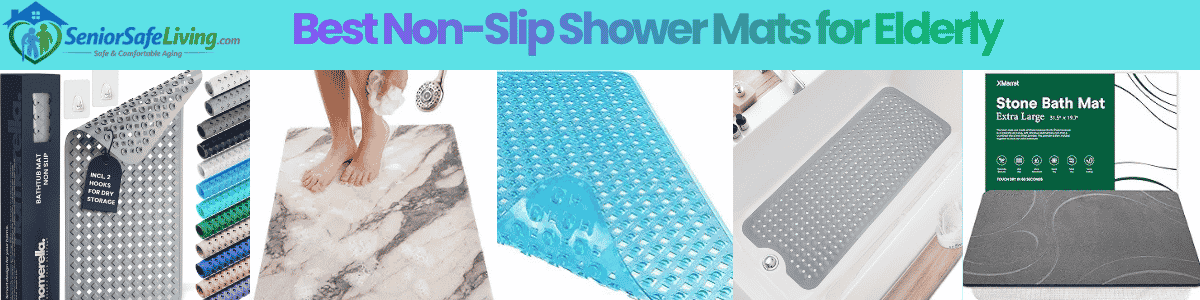
Best Non-Slip Shower Mats for Elderly
Best Non-Slip Shower Mats for Elderly: Safer Bathrooms and Confident Bathing
The best Non-Slip Shower Mats for elderly people help reduce slips by adding grip, stability, and safer footing on wet shower or bathtub floors. A good mat should stay firmly in place, drain water well, feel comfortable underfoot, and support safer bathing without creating a tripping hazard.
For many older adults, the bathroom is the room that causes the most worry. Water, soap, tile, smooth tubs, and tight spaces can turn a simple shower into a risky daily routine. A senior may feel steady in the living room but nervous the moment they step onto a wet bathroom floor.
That fear is not dramatic. It is realistic. Older adults may deal with balance changes, weaker muscles, arthritis, dizziness, poor vision, or slower reaction time. A slippery shower floor can become dangerous very quickly.
This is why non slip shower mats for elderly people are more than bathroom accessories. They are practical safety tools. The right mat can help an older adult feel more secure while bathing, reduce caregiver anxiety, and support independence at home.
However, not every mat is safe for seniors. Some mats slide. Some curl at the edges. Some trap water and grow mildew. Some are too small. Some suction cups do not work on textured floors. Choosing carefully matters.
This guide explains how to choose the best non slip shower mat for elderly bathrooms, which features matter most, how to install and clean the mat, and how to combine it with other bathroom safety upgrades.
Why the Best Non-Slip Shower Mats for Elderly Safety Matter
Bathing should feel private, comfortable, and refreshing. But for many seniors, it becomes one of the most stressful parts of the day. The fear of slipping can make an older adult delay showers, rush through bathing, or depend more on caregivers than they want to.
A non-slip shower mat gives the feet more traction on a wet surface. That extra grip can make standing, turning, rinsing, and stepping out feel more controlled.
The best mats support three important goals:
- Safety: They reduce slipping on wet shower or tub floors.
- Confidence: They help seniors feel steadier while bathing.
- Independence: They support seniors who want to keep bathing with less help.
For caregivers, a good mat can bring peace of mind. It is a small upgrade, but it addresses a high-risk area of the home. When combined with grab bars, proper lighting, shower chairs, and clutter-free floors, it becomes part of a strong bathroom fall-prevention plan.
What Makes a Shower Mat Senior-Friendly?
A senior-friendly shower mat is not simply any mat labeled “non-slip.” It must work with the senior’s bathroom, body, balance, and daily routine.
The right mat should stay flat, grip well, drain water, clean easily, and feel comfortable. It should also match the shower or tub surface. A mat that works beautifully in one bathroom may fail in another if the floor texture is different.
Strong Grip on Wet Surfaces
The main job of a shower mat is grip. Seniors need traction when stepping in, standing, turning, and stepping out. A textured top surface helps the feet stay steady even when soap and water are present.
Look for a mat with a grippy surface that does not feel sharp or uncomfortable. Raised patterns, pebble textures, wave textures, and soft rubber surfaces can all work if they provide stable footing.
Secure Suction or Stable Backing
Many shower mats use suction cups on the bottom. These cups attach to smooth surfaces and help the mat stay in place. For elderly users, strong suction is important because a moving mat can become a hazard.
However, suction cups do not work well on every surface. They usually perform best on smooth bathtub or shower floors. If the floor is textured, stone-like, or uneven, suction may not hold properly. In that case, choose a mat designed for textured floors or consider adhesive non-slip strips recommended for that surface.
Low-Profile Edges
A mat should not create a raised edge that catches the foot. Seniors with shuffling steps, neuropathy, weak ankles, or poor vision may trip on thick or curled edges.
Choose a mat that lies flat and has a low profile. After installation, check every corner and edge by hand and foot.
Good Drainage
Drainage holes are important because standing water can make the mat slippery and encourage mildew. A good mat lets water flow through and away.
For seniors, drainage also improves comfort. Nobody wants to stand on a mat that feels slimy, soggy, or unstable.
Easy Cleaning
A shower mat must be cleaned regularly. Soap residue, body oils, shampoo, and hard water can build up over time. That buildup can reduce grip and create odor.
Choose a mat that is easy to rinse, hang, scrub, or machine wash if the manufacturer allows it.
How to Choose the Best Non Slip Shower Mat for Elderly Bathrooms
Choosing the best non slip shower mat for elderly use starts with the bathroom itself. Before buying, look closely at the shower or tub floor, drain location, available space, and how the senior moves during bathing.
Measure the Shower or Tub Floor
Size matters. A mat that is too small may leave slippery areas exposed. A mat that is too large may bunch up, cover the drain, or curl against the walls.
Measure the flat standing area where the senior places their feet. Choose a mat that covers the main standing zone without interfering with drainage.
Check the Floor Surface
Is the shower floor smooth, textured, tiled, fiberglass, acrylic, stone, or uneven? This affects mat choice.
Suction-cup mats usually work best on smooth surfaces. For textured floors, look for non-slip mats or strips specifically designed for that type of surface.
Think About How the Senior Enters the Shower
Some seniors step over a tub wall. Others use a walk-in shower. Some sit on a shower chair. Some use a walker up to the bathroom entrance.
The mat should support the senior’s actual movement pattern. If they step into the shower from the side, the mat should cover that landing area. If they sit on a shower chair, the mat should not interfere with the chair legs.
Choose Comfort Without Sacrificing Stability
Some mats feel soft and cushioned. That can be pleasant, but too much softness may feel unstable for seniors with balance problems. A mat should feel comfortable but not squishy or shifting.
Avoid Mats That Slide When Pushed
Before a senior uses the mat, test it. Press it down, wet the floor, and gently push the mat from different directions. If it moves easily, it is not safe enough.
Best Non Slip Shower Mats for Elderly: Key Features to Look For
The best non slip shower mats for elderly bathrooms usually include several safety-focused features. Do not choose based on color alone. Choose based on performance.
Textured Top Surface
A textured surface helps prevent the foot from sliding. Smooth mats may look clean and modern, but they can become slick when soap is involved.
Good textures include:
- Soft pebble patterns
- Raised dots
- Ribbed lines
- Wave patterns
- Gentle massage textures
The texture should help with grip without irritating sensitive feet.
Drainage Holes
Drainage holes allow water to pass through the mat instead of pooling on top. This helps reduce slipperiness and makes the mat dry faster.
Look for evenly spaced drainage holes, especially if the shower has strong water flow.
Strong Suction Cups
If the bathroom has a smooth floor, suction cups can help the mat stay attached. More suction cups often provide better contact, but quality matters more than count.
Press the mat firmly into place before each use and check that the cups are still gripping.
Mold and Mildew Resistance
Bathrooms are humid. Mats that stay wet can develop odor, mildew, or discoloration. Mold-resistant material helps, but cleaning is still necessary.
After each shower, rinse the mat and hang it to dry if possible.
Low Chemical Odor
Some rubber or plastic mats have a strong smell when new. For seniors with breathing sensitivity or allergies, choose a low-odor mat and air it out before use.
Machine-Washable Design
Some mats are machine washable. This can make cleaning easier for caregivers. Always follow the manufacturer’s instructions, because not every mat can handle machine washing.
Types of Non Slip Shower Mats for Elderly People
Different bathrooms need different mats. Understanding the main types helps you choose wisely.
Rubber Shower Mats
Rubber mats are popular because they often provide strong grip and flexibility. They may include suction cups and drainage holes.
They work well in many tubs and showers, but they must be cleaned regularly to prevent buildup.
Silicone Shower Mats
Silicone mats are flexible, often comfortable, and usually easy to rinse. They may have a softer feel underfoot than some rubber mats.
Choose silicone mats with good drainage and stable backing.
Textured PVC Shower Mats
PVC mats are common and affordable. They can provide decent traction, but quality varies. Choose a durable, non-toxic, low-odor version when possible.
Non-Slip Shower Strips
Adhesive strips are not mats, but they can be useful on textured shower floors where suction mats do not hold. They provide traction without covering the entire floor.
Make sure strips are installed correctly and replaced when worn.
Bamboo or Teak Shower Mats
Wood-style mats can look attractive, but they may not be the best choice for every elderly user. Some are raised, firm, or less stable on wet floors. They can also create edges that may trip seniors.
If using a wooden mat, make sure it has stable non-slip feet, does not wobble, and does not sit too high.
Shower Mat vs Bath Mat: What Elderly Users Need to Know
Many people use “shower mat” and “bath mat” as if they mean the same thing. They are different.
Inside-the-Shower Mat
A shower mat goes inside the shower or tub. Its job is to prevent slipping while standing on a wet surface.
This mat needs grip, drainage, and secure contact with the shower floor.
Outside-the-Shower Bath Mat
A bath mat sits outside the tub or shower. Its job is to absorb water when stepping out and reduce slipping on the bathroom floor.
For elderly users, the outside mat should have a non-slip backing and low-profile edges. A fluffy rug that slides or bunches can be dangerous.
Why Seniors Often Need Both
The riskiest moments often happen during entry and exit. A senior may be steady inside the shower but slip while stepping out onto a wet floor.
Using both an inside non-slip shower mat and an outside non-slip bath mat can create a safer bathing path.
How to Install Non Slip Shower Mats for Elderly Safety
Installation seems simple, but it matters. A poorly installed mat can slide, bunch, or trap water.
Clean the Shower Floor First
Before placing the mat, clean the shower or tub floor thoroughly. Remove soap scum, oils, and residue. Suction cups grip better on a clean surface.
Place the Mat on a Smooth, Wet Surface
For suction-cup mats, lightly wet the surface, place the mat flat, and press down firmly across the entire mat. Make sure all suction cups attach.
Check the Drain
The mat should not block the drain. Blocked drainage can create standing water and increase slipping risk.
Test Before Use
After installation, test the mat before the senior uses it. Push it gently with your foot. Check corners and edges. If it shifts, remove and reposition it.
Recheck Often
Suction can weaken over time, especially with soap buildup. Recheck the mat regularly, not just on installation day.
Cleaning and Maintenance Tips for Elderly Shower Mats
A non-slip mat must stay clean to stay safe. Soap, shampoo, conditioner, body oil, and minerals can make the surface slick.
Rinse After Every Shower
After use, rinse the mat with clean water. This removes soap and reduces buildup.
Hang to Dry
If possible, lift the mat and hang it over the tub edge or shower wall so air can circulate. This helps prevent mildew.
Clean Weekly
Scrub the mat at least once a week with mild soap or a cleaner recommended by the manufacturer. Pay attention to suction cups and drainage holes.
Inspect for Wear
Replace the mat if it shows:
- Cracks
- Curling edges
- Weak suction
- Persistent odor
- Black mildew spots that do not clean off
- Surface texture that feels smooth or worn
A worn-out mat can give a false sense of safety. If it no longer grips well, replace it.
Common Mistakes to Avoid When Buying Shower Mats for Seniors
Many families buy a shower mat quickly and assume the bathroom is now safe. That can be a mistake. A mat helps, but only if it fits the user and bathroom properly.
Buying a Mat That Is Too Small
A small mat may leave slippery areas exposed. Seniors should not need to carefully aim their feet to stay safe. The main standing area should be covered.
Ignoring the Shower Floor Texture
Suction cups may fail on textured floors. Always match the mat to the floor type.
Choosing a Thick Mat With Raised Edges
Thick edges can create a tripping hazard. Seniors with shuffling steps or poor vision may catch a toe on the edge.
Forgetting to Clean the Mat
A dirty mat can become slippery. Regular cleaning is part of safety, not just appearance.
Using a Shower Mat Instead of Grab Bars
A mat improves foot grip. It does not provide hand support. Seniors who have balance issues should also use properly installed grab bars.
Assuming All “Non-Slip” Labels Are Equal
Some products use the term “non-slip” loosely. Look at the actual design: suction, texture, drainage, size, and user reviews if available.
Bathroom Safety Upgrades to Use With Non-Slip Shower Mats
The best bathroom safety plan uses layers. A non-slip shower mat is important, but it should not be the only safety feature.
Grab Bars
Grab bars help seniors steady themselves while entering, exiting, standing, or turning. They should be installed into wall studs or with proper mounting hardware.
Never rely on towel bars as grab bars. Towel bars are not designed to hold body weight.
Shower Chair
A shower chair can help seniors who become tired or unsteady while standing. It allows bathing while seated.
Make sure the chair legs do not sit awkwardly on the mat. The setup should feel stable.
Handheld Shower Head
A handheld shower head lets seniors rinse while seated or standing without turning too much.
Good Lighting
Poor lighting can make it harder to see water, edges, mats, and floor changes. Use bright, even bathroom lighting and consider motion sensor night lights for late-night bathroom trips.
Clutter-Free Floors
Keep shampoo bottles, towels, cords, laundry, and bath products off the floor. Clear space reduces tripping risk.
Best Non-Slip Shower Mat Features for Seniors With Arthritis
Seniors with arthritis may struggle with pain, stiffness, and limited movement. Shower mats for arthritis should reduce the need for awkward balancing and provide comfortable support.
Look for:
- Soft but stable surface texture
- Easy cleaning so scrubbing is not difficult
- Low-profile edges to avoid toe catching
- Large coverage area for fewer careful foot placements
- Compatibility with shower chairs if needed
Arthritis can also make gripping harder. That is why grab bars should be considered along with a mat.
Best Non-Slip Shower Mats for Elderly With Low Vision
Low vision changes how a senior sees the bathroom. A clear or white mat on a white tub may be hard to notice. Poor contrast can make edges difficult to judge.
For seniors with low vision, choose a mat color that contrasts with the shower floor. For example, a blue or gray mat may be easier to see in a white tub.
Also consider:
- Good bathroom lighting
- Contrast tape on tub edges if appropriate
- Large, uncluttered shower space
- Consistent placement of toiletries
- Non-slip bath mat outside the shower
The goal is not only traction. The senior should clearly see where to step.
Buying Checklist for the Best Non Slip Shower Mats for Elderly Homes
Use this checklist before buying:
- Does the mat fit the shower or tub floor?
- Does it cover the main standing area?
- Will the suction cups work on the floor surface?
- Does the mat have a textured top surface?
- Does it include drainage holes?
- Are the edges low and flat?
- Is the mat easy to clean?
- Does it dry quickly?
- Does it work with a shower chair if needed?
- Does the color contrast with the floor?
- Does it stay firmly in place when tested?
- Is it comfortable but not unstable underfoot?
The safest choice is the mat that fits the senior’s exact bathroom and movement needs.
Internal Link Suggestions
To improve SEO and help readers continue learning, add internal links to related senior safety articles on your website:
- Best Bathroom Safety Products for Seniors
- Fall Prevention Products for Seniors
- Motion Sensor Night Lights for Seniors
- Grab Bars for Elderly Bathroom Safety
- Shower Chairs for Seniors
- Aging in Place Home Safety Checklist
- Senior Friendly Kitchen & Household Tool Guide
External Authority References
For stronger trust and E-E-A-T signals, you can reference official senior safety and fall-prevention resources:
- CDC STEADI Check for Safety: Home Fall Prevention Checklist PDF
- CDC STEADI Patient and Caregiver Resources
- National Institute on Aging: Preventing Falls at Home Room by Room
- MedlinePlus: Bathroom Safety for Adults
FAQ About Non-Slip Shower Mats for Elderly People
Are non-slip shower mats safe for elderly people?
Yes, non-slip shower mats can be safe for elderly people when they stay firmly in place, provide strong traction, drain water well, and are cleaned regularly. They should be checked often because worn, dirty, or loose mats can become unsafe.
What is the best non slip shower mat for elderly bathrooms?
The best non slip shower mat for elderly bathrooms is one that fits the shower floor, grips securely, has a textured surface, drains well, lies flat, and does not create a tripping edge. It should also match the floor type, especially if the surface is textured.
Do suction cups matter on shower mats for seniors?
Yes, suction cups can help keep a shower mat in place on smooth shower or tub floors. However, suction cups may not work well on textured or uneven surfaces, so always test the mat before use.
How often should an elderly person's shower mat be cleaned?
A shower mat should be rinsed after each use and cleaned at least weekly. If the mat develops soap buildup, odor, mildew, or discoloration, it should be cleaned sooner or replaced if the problem does not go away.
Can a shower mat replace grab bars?
No. A shower mat improves foot traction, but grab bars provide hand support. Elderly people with balance concerns usually benefit from both a non-slip shower mat and properly installed grab bars.
Are rubber or silicone shower mats better for seniors?
Both rubber and silicone shower mats can work well. Rubber mats often provide strong grip, while silicone mats may feel softer and easier to rinse. The best choice depends on fit, traction, drainage, surface compatibility, and cleaning needs.
Should seniors use a mat outside the shower too?
Yes, many seniors benefit from a non-slip bath mat outside the shower or tub. The outside mat should absorb water, stay flat, and have a secure non-slip backing to reduce slipping after bathing.
When should a non-slip shower mat be replaced?
Replace a shower mat if it slides, curls, cracks, smells bad, grows mildew that cannot be removed, loses suction, or feels smooth and worn. A damaged mat should not be trusted for elderly bathroom safety.
Conclusion
The best Non-Slip Shower Mats for elderly bathrooms offer more than comfort. They provide traction, stability, confidence, and safer footing in one of the most slip-prone areas of the home.
Choose a mat that fits the shower or tub floor, stays firmly in place, drains well, has a comfortable textured surface, and is easy to clean. Make sure the mat does not curl, block the drain, or create a tripping edge. If the senior has low vision, choose a color that contrasts with the shower floor.
Remember, a shower mat is only one part of bathroom safety. For stronger protection, combine it with grab bars, proper lighting, a non-slip bath mat outside the shower, a handheld shower head, and a shower chair if needed.
Final tip: Do not wait until a slip happens. Test the bathroom today, check the shower floor, and choose a non-slip mat that helps your elderly loved one bathe with more safety, dignity, and confidence.