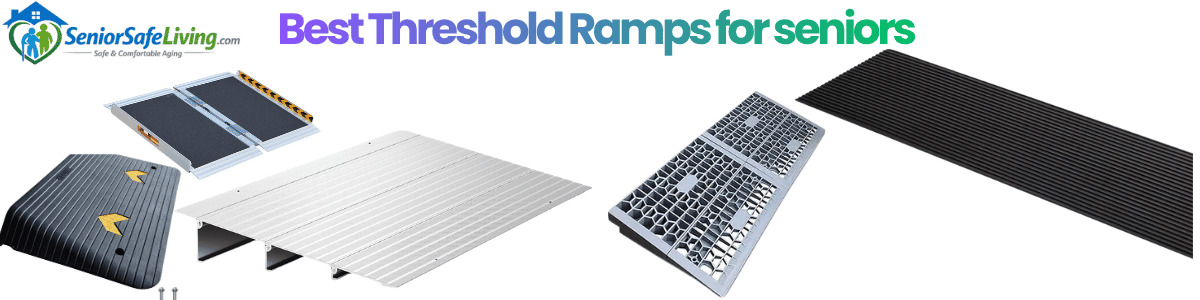
Best Threshold Ramps for seniors
Best Threshold Ramps for Seniors: Safe Doorway Access Made Easier
The search intent behind Best Threshold Ramps for seniors is mostly commercial investigation with strong informational intent. The reader wants to compare options, understand what type of threshold ramp is safe, and make a confident buying decision.
Most searchers are seniors, caregivers, family members, wheelchair users, walker users, or people making a home safer after surgery or declining mobility. They are asking one simple but important question: “What ramp will help me or my loved one cross a doorway safely?”
Competitor content often misses practical details like how to measure threshold height, when rubber threshold ramps work better than aluminum ramps, how to avoid slipping, and how to choose a threshold ramp for wheelchair access. This guide fills those gaps with clear advice, safety tips, buying criteria, and real-life examples.
Best Threshold Ramps for Seniors: Quick Answer
The Best Threshold Ramps for seniors are stable, non-slip, properly sized ramps that help older adults cross raised doorways, sliding door tracks, bathroom entrances, and small steps safely. A good threshold ramp should match the threshold height, support the user’s mobility device, resist slipping, and provide smooth access for walkers, wheelchairs, scooters, and canes.
Why Threshold Ramps Matter for Senior Safety
A doorway threshold may look small, but for a senior using a walker, cane, wheelchair, or mobility scooter, it can feel like a barrier. Even a one-inch rise can interrupt balance, catch a wheel, or cause hesitation.
That hesitation matters. Many falls happen at home, and small household hazards can become serious risks for older adults. The CDC states that falls are the leading cause of injury for adults aged 65 and older. That makes doorway safety more than a convenience. It is part of fall prevention.
A threshold ramp creates a smoother transition over raised surfaces. Instead of lifting a walker, bumping a wheelchair, or stepping awkwardly over a door lip, seniors can move with more confidence.
Think of a senior named Mary. She can walk around her living room with a rollator, but every time she reaches the patio door, she slows down. The metal track catches her wheels. She starts avoiding the patio altogether. A simple door threshold ramp can restore that small but meaningful part of daily life.
What Is a Threshold Ramp?
A threshold ramp is a short ramp designed to bridge a small height difference at a doorway, entrance, sliding door track, curb edge, shower entry, or room transition.
Unlike long wheelchair ramps, threshold ramps are made for low rises. They usually help with height changes from about half an inch to several inches, depending on the product.
Common uses include:
- Front door thresholds
- Back door entrances
- Patio doors
- Sliding glass door tracks
- Bathroom entrances
- Garage-to-home entries
- Small indoor steps
- Wheelchair access points
For seniors, this small home modification can reduce daily struggle and improve independence.
Types of Threshold Ramps for Seniors
There are several types of threshold ramps, and each one serves a slightly different purpose. The best choice depends on the doorway height, surface, mobility device, and whether the ramp will be used indoors or outdoors.
Rubber Threshold Ramps
Rubber threshold ramps are among the most popular choices for seniors. They are heavy enough to stay in place, gentle on floors, and often have a textured surface for better traction.
They work well for:
- Wheelchairs
- Walkers
- Rollators
- Mobility scooters
- Indoor and outdoor doorways
Rubber ramps are especially helpful when stability is the top concern. Their weight helps reduce unwanted movement, which is important for seniors who need reliable footing.
Aluminum Threshold Ramps
Aluminum ramps are lightweight, durable, and weather-resistant. They are easier to move than rubber ramps, making them useful when portability matters.
Many aluminum ramps have ridges or punched surfaces to improve traction. They are commonly used for wheelchairs and scooters.
Adjustable Threshold Ramps
Adjustable ramps allow users to modify the height or angle. These are useful when the doorway has an unusual rise or when the home has multiple thresholds.
They can be a smart choice for caregivers who are not completely sure which height will work best.
Modular Threshold Ramps
Modular ramps come in sections. You can add or remove pieces to match the height of the threshold.
They are practical for changing needs. For example, a senior may start with a walker but later need a wheelchair. A modular system can sometimes adapt better than a fixed ramp.
Portable Door Threshold Ramps
Portable ramps are lightweight and easy to move. They are useful for travel, temporary recovery, or occasional access.
However, daily-use ramps for seniors should be stable. If a portable ramp shifts easily, it may not be the safest choice for frequent use.
Door Threshold Ramp vs Full Wheelchair Ramp
A door threshold ramp is not the same as a full wheelchair ramp. Understanding the difference helps prevent buying the wrong product.
Door Threshold Ramp
- Designed for small height changes
- Used at doorways or room transitions
- Short and compact
- Often portable or semi-permanent
- Best for low rises
Full Wheelchair Ramp
- Designed for larger height changes
- Used for stairs, porches, and elevated entrances
- Longer and often requires more space
- May need installation
- Best for higher rises
If the senior needs to cross a small doorway lip, a threshold ramp is usually enough. If they need to access a porch with multiple steps, a larger ramp system is likely required.
How to Choose the Best Threshold Ramps for Seniors
Choosing the Best Threshold Ramps for seniors starts with measurement, not guesswork. A ramp that is too short may feel steep. A ramp that is too narrow may feel unsafe. A ramp that does not match the threshold height may create another tripping hazard.
Measure the Threshold Height
Measure from the floor or ground up to the highest point of the threshold. This is called the rise.
For example, if the doorway lip is 2 inches high, you need a ramp designed for a 2-inch rise. Do not buy based only on appearance. A small measuring error can make the ramp uncomfortable or unsafe.
Check the Ramp Width
The ramp should be wide enough for the mobility device. For wheelchairs and scooters, measure the outside width of the wheels and choose a ramp with extra room.
For walkers and rollators, make sure both legs or wheels can pass comfortably.
Review Weight Capacity
Weight capacity should include the senior plus the wheelchair, walker, scooter, or caregiver assistance if needed.
A threshold ramp for wheelchair users needs enough strength to handle repeated rolling weight without bending, shifting, or cracking.
Look for a Non-Slip Surface
Traction is critical. Seniors may use ramps with slippers, shoes, walker tips, wheelchair wheels, or cane tips. A textured surface helps reduce slipping.
Choose the Right Material
Rubber is stable and quiet. Aluminum is lightweight and durable. Modular materials can be flexible. The right material depends on the environment.
Consider Indoor vs Outdoor Use
Outdoor ramps need weather resistance. Rain, heat, dust, and cold can affect performance. Indoor ramps should protect flooring and avoid creating a new trip point.
Rubber Threshold Ramps: Are They the Best Choice?
Rubber threshold ramps are often the best choice for seniors who need a stable, simple, and low-maintenance solution.
They usually stay in place better than lightweight ramps because of their weight. They also absorb sound, which makes them quieter when wheelchairs, walkers, or scooters pass over them.
Benefits of Rubber Threshold Ramps
- Strong grip on many surfaces
- Good stability
- Quiet under wheels and walkers
- Weather-resistant options available
- Often easy to install
- Comfortable for daily home use
Possible Drawbacks
- Can be heavy to move
- May have a rubber smell when new
- May need cutting for custom fit
- Not always ideal for frequent travel
For a permanent or semi-permanent doorway solution, rubber is excellent. For travel, aluminum or folding designs may be easier.
Best Threshold Ramp for Wheelchair Users
A threshold ramp for wheelchair users must support smooth rolling access. Wheelchair users should not have to “bump” over the threshold. That motion can be uncomfortable, tiring, and unsafe.
When buying a wheelchair threshold ramp, focus on:
- Correct rise height
- Wide usable surface
- Strong weight capacity
- Non-slip texture
- Stable placement
- Low edge transition
If the wheelchair is powered, check the combined weight of the user and chair. Powered wheelchairs can be much heavier than manual chairs.
Best Threshold Ramp for Walkers and Rollators
Seniors who use walkers and rollators have different needs than wheelchair users. They need a ramp that supports balance and foot placement, not only wheels.
A walker user may place weight through the walker while stepping forward. If the ramp shifts, feels steep, or has poor traction, the user may lose confidence.
Look For These Features
- Stable base
- Gentle slope
- Textured surface
- Enough width for walker legs
- No raised edges that catch feet
- Secure fit against the threshold
For rollators, make sure the wheels can roll smoothly without catching at the top or bottom of the ramp.
Indoor Threshold Ramps for Seniors
Indoor threshold ramps are often used between rooms, at bathroom entrances, or near sliding doors. They should be smooth, quiet, and floor-friendly.
Common indoor issues include:
- Raised bathroom thresholds
- Uneven flooring transitions
- Sliding door tracks
- Bedroom-to-hallway height differences
- Entryways with small lips
For indoor use, rubber threshold ramps are popular because they do not slide easily and usually feel stable underfoot. However, low-profile aluminum ramps can also work well when weight and portability matter.
Outdoor Threshold Ramps for Seniors
Outdoor ramps face more challenges. Rain, dirt, sunlight, and temperature changes can affect grip and durability.
For outdoor use, choose a threshold ramp that is:
- Weather-resistant
- Slip-resistant
- Heavy or secured enough to stay in place
- Easy to clean
- Strong enough for daily use
Outdoor ramps should be checked often. Leaves, mud, snow, and water can reduce traction. A ramp that is safe in dry weather may become risky when wet.
Safety Tips Before Using a Threshold Ramp
A threshold ramp is only helpful if it is used safely. Before allowing a senior to use it daily, test it carefully.
Check Stability
Step on the ramp and apply gentle pressure. It should not rock, slide, or shift.
Check the Slope
If the ramp feels too steep, it may not be comfortable for seniors using walkers, wheelchairs, or scooters.
Check the Edges
Make sure the bottom and top edges do not create new trip points.
Check the Surface
The surface should provide traction. Avoid using the ramp if it is wet, oily, icy, or covered with debris.
Test With the Mobility Device
Roll the wheelchair, walker, or scooter slowly over the ramp before regular use.
Common Mistakes to Avoid
Buying a threshold ramp seems simple, but small mistakes can cause big problems.
Buying Without Measuring
Never guess the threshold height. Measure first.
Choosing a Ramp That Is Too Narrow
A narrow ramp can make wheelchair and walker use stressful.
Ignoring Weight Capacity
Always include the user and mobility device weight.
Using a Ramp That Slides
If the ramp moves during use, it is not safe enough for daily senior mobility.
Forgetting About Door Clearance
Some ramps may interfere with door movement. Check whether the door can open and close properly after installation.
Buying Checklist for the Best Threshold Ramps for Seniors
Use this checklist before purchasing:
- Height: Does it match the threshold rise?
- Width: Is it wide enough for the mobility device?
- Material: Rubber, aluminum, modular, or portable?
- Traction: Does it have a non-slip surface?
- Weight capacity: Can it support the user and device?
- Placement: Indoor, outdoor, or both?
- Stability: Will it stay in place?
- Maintenance: Is it easy to clean?
- Door function: Will the door still open and close?
Suggested Internal Links
To improve SEO and user experience, internally link this article to related posts such as:
- Best Wheelchair Ramps for Home
- Walker Safety Tips for Seniors
- Best Mobility Aids for Seniors
- Fall Prevention Tips for Elderly Adults
- Home Safety Checklist for Seniors
Helpful External References
For additional safety and accessibility guidance, readers can review these trusted resources:
- CDC Older Adult Fall Prevention
- U.S. Access Board Ramp Guidance
- National Institute on Aging Home Fall Prevention
FAQ About Threshold Ramps
What height threshold ramp do seniors need?
Seniors need a threshold ramp that matches the height of the doorway rise. Measure from the ground to the top of the threshold before buying.
Are rubber threshold ramps better than aluminum ramps?
Rubber threshold ramps are often better for stability and daily home use. Aluminum ramps are usually better when portability and lighter weight are important.
Can threshold ramps be used for wheelchairs?
Yes. A threshold ramp for wheelchair use should be wide, strong, non-slip, and properly matched to the threshold height.
Do threshold ramps work with walkers?
Yes. Threshold ramps can help walker users cross small doorway lips more smoothly, especially when the ramp is stable and has a gentle slope.
Can I use a threshold ramp at a sliding glass door?
Yes, many threshold ramps work at sliding glass doors. Make sure the ramp does not block the door track or create a new tripping hazard.
Are threshold ramps safe in the rain?
Some outdoor threshold ramps are weather-resistant, but wet surfaces can still become slippery. Always check traction before use.
Should a threshold ramp be installed permanently?
Not always. Some ramps are portable, but daily-use ramps should stay firmly in place. A shifting ramp can be dangerous for seniors.
Conclusion
The Best Threshold Ramps for seniors make everyday movement safer, smoother, and less stressful. Whether the user relies on a walker, wheelchair, rollator, scooter, or cane, the right ramp can remove a small barrier that causes daily frustration.
Choose a ramp based on height, width, material, traction, stability, and weight capacity. For many homes, rubber threshold ramps provide the best mix of grip, comfort, and reliability. For travel or temporary use, lightweight aluminum ramps may be more practical.
A safe doorway is not a luxury. For seniors, it can mean more independence, fewer mobility struggles, and greater confidence at home.
Final Tip: Measure first, buy for safety, and test the ramp slowly before daily use.