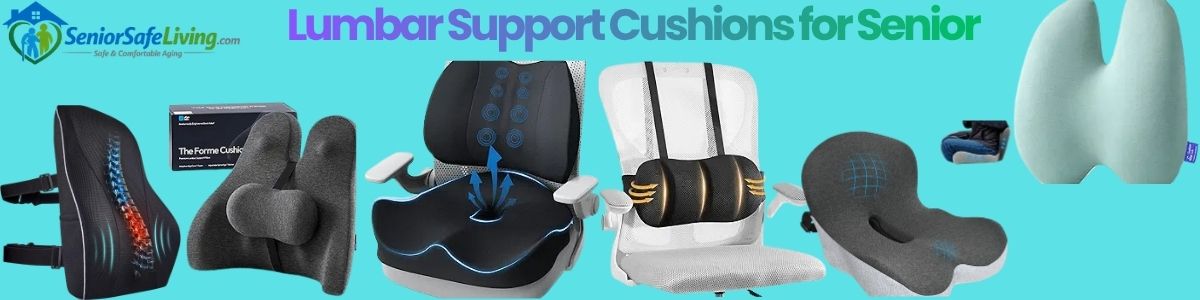
Lumbar Support Cushions for Senior
Lumbar Support Cushions for Senior: Sit, Drive and Relax With Better Back Comfort
Lumbar Support Cushions for Senior comfort are back-support pillows designed to support the natural inward curve of the lower spine while sitting. For older adults, the right cushion may reduce sitting strain, improve posture awareness, support car or chair comfort and make daily rest easier when used safely.
Why Lumbar Support Cushions for Senior Comfort Matter
Back discomfort often starts quietly. A senior sits down to read, watch TV or eat breakfast. After 20 minutes, the lower back feels tired. After an hour, the body starts sliding forward in the chair. By evening, standing up feels stiff and uncomfortable.
This is a common problem because sitting is not as restful as it looks. The lower back still needs support. If the chair is too soft, too deep, too low or too flat, the spine may lose its natural curve. The body then works harder to stay upright.
That is where a lumbar support cushion can help. It fills the gap between the lower back and the chair. Instead of letting the pelvis roll backward and the shoulders slump, it encourages a more supported sitting position.
For seniors, this can be especially useful during:
- Long TV sessions
- Reading in a favorite chair
- Sitting at the dining table
- Computer or tablet use
- Long car rides
- Wheelchair sitting
- Recovery after light activity
- Daily relaxation in a recliner
A cushion is not a miracle cure. It will not replace movement, strengthening or medical care when needed. But the right cushion can make sitting feel easier, especially when paired with good chair setup and regular movement breaks.
What Is a Lumbar Support Cushion for Senior Use?
A lumbar support cushion for Senior use is a pillow or shaped support placed behind the lower back while sitting. Its purpose is to support the lumbar spine, which is the lower part of the back above the hips.
The lumbar area naturally curves inward. When a person slouches, that curve often flattens. A lumbar cushion helps fill the space and reminds the body to sit with better alignment.
How It Works
A lumbar cushion gently supports the lower back so the pelvis does not roll too far backward. This can help the senior sit more upright without forcing a stiff posture.
Good support should feel natural. It should not feel like a hard object pushing into the spine. If the cushion creates pressure or pain, it is probably too thick, too firm or placed incorrectly.
Lumbar Cushion vs Regular Pillow
A regular pillow may feel soft, but it can collapse quickly. A lumbar cushion is shaped to hold the lower back more consistently. Some people use a rolled towel as a simple version, but a dedicated cushion may stay in place better.
Cushion Lumbar Support Cushion for Senior Comfort
The phrase cushion lumbar support cushion for Senior may sound repetitive, but it reflects what many caregivers search for. They want a cushion that gives dependable lower-back support without being bulky, hard or difficult to use.
How Sitting Changes With Age
Seniors may sit differently than younger adults because the body changes with age. Muscles may weaken. Joints may feel stiffer. Balance may become less confident. Some seniors also sit longer because walking, standing or household tasks feel more tiring.
Muscle Weakness
The muscles around the core, hips and back help support posture. When these muscles weaken, sitting upright becomes harder. The body may slump because slouching feels easier in the moment.
Stiff Hips
Tight hips can affect the pelvis and lower back. If the hips do not move well, the lower back may compensate. This can make sitting more uncomfortable.
Soft Chairs
Many seniors love soft recliners, but a very soft chair can let the body sink too deeply. Once the pelvis slides forward, the lower back loses support.
Long Sitting Time
Sitting for long periods can increase stiffness. Even with a good cushion, seniors should change position often. The best posture is not one perfect position held all day. The best posture is one that allows safe movement and regular resets.
Vision and Screen Use
Phones, tablets and books often pull the head and shoulders forward. When the upper body slumps, the lower back usually follows.
A lumbar cushion can help, but the senior should also raise reading material closer to eye level and avoid bending forward for long periods.
Benefits of Lumbar Support Cushions for Senior Daily Life
The main benefit of a lumbar cushion is simple: it can make sitting feel more supported. But for seniors, that support can affect many daily activities.
Better Lower-Back Comfort
A cushion can reduce the feeling of unsupported sitting. When the lower back has gentle support, the senior may feel less strain during reading, TV time or meals.
Improved Posture Awareness
A lumbar cushion reminds the body where the lower back should rest. This awareness can help seniors avoid sliding into a deep slouch.
More Comfortable Car Rides
Long drives can be hard on the lower back. A properly placed lumbar cushion can help seniors sit with better support while traveling.
Less Fatigue While Sitting
Unsupported sitting can make the back muscles work harder. A cushion may reduce that effort, especially for seniors who tire easily.
Helpful Support for Recliners and Dining Chairs
Some chairs have a gap between the backrest and the lower spine. A cushion can fill that gap and make the chair feel more customized.
Easy, Non-Invasive Comfort Tool
A lumbar cushion does not require medication, electricity or complicated setup. It is simple, portable and easy to try.
Caregiver-Friendly
Caregivers can adjust the cushion, check comfort and move it from chair to car if needed. A good cushion can become part of a senior’s daily comfort routine.
Lumbar Support Cushion for Chair for Senior Comfort
A lumbar support cushion for chair for Senior use is one of the most common needs. Seniors often spend hours in one or two favorite chairs. If those chairs do not support the lower back, discomfort can build slowly.
Best Chairs for Lumbar Cushions
Lumbar cushions work well in chairs that have a stable backrest. They are commonly used on:
- Dining chairs
- Office chairs
- Reading chairs
- Kitchen chairs
- Wheelchairs
- Recliners, if the cushion stays in place
Chair Height Matters
A cushion cannot fix a badly sized chair. The senior’s feet should rest flat on the floor or on a stable footrest. Knees should feel comfortable, not pulled too high or left dangling.
Do Not Push the Senior Too Far Forward
A cushion that is too thick can reduce seat depth. This may push the senior forward and make the chair feel less safe. If the thighs are no longer supported, the cushion may be too bulky for that chair.
Use Straps When Possible
Many lumbar cushions include adjustable straps. These keep the cushion from sliding down or falling behind the chair. For seniors, stability matters because constant repositioning can be frustrating.
Check Comfort After 10 Minutes
A cushion may feel good at first but uncomfortable after sitting. Seniors should test it for at least 10 to 20 minutes. They should notice whether the lower back feels supported, pressured or pushed.
Lumbar Support Cushion for Car for Senior Travel
A lumbar support cushion for car for Senior travel can be helpful during errands, medical appointments, family visits or long road trips. Car seats often do not fit every body shape, especially for older adults with back stiffness or posture changes.
Why Car Seats Can Be Uncomfortable
Car seats may tilt the pelvis backward or create a gap behind the lower back. Some seniors also sit tense while riding because they brace during turns, stops or traffic.
A lumbar cushion can fill the lower-back gap and help the senior sit more comfortably.
Driver Safety Comes First
If the senior is driving, the cushion must not interfere with safe control of the vehicle. It should not push the body too far from the pedals, steering wheel or seatbelt.
Passenger Comfort
For senior passengers, the cushion should support the lower back without affecting the seatbelt. The belt should still lie correctly across the shoulder and lap.
Choose a Cushion That Stays Put
Car movement can shift loose cushions. Choose one with straps or a non-slip back. A cushion that slides around can become annoying or unsafe.
Use Breaks on Long Trips
No cushion can replace movement. During long trips, seniors should take safe breaks to stand, walk and stretch gently.
Car Cushion Checklist
- Does not affect seatbelt position
- Does not push the driver too far forward
- Stays secure during movement
- Supports the lower back, not the mid-back only
- Feels comfortable after 20 minutes
- Does not make getting in and out harder
Types of Lumbar Support Cushions for Seniors
Not every cushion works the same way. The right choice depends on the senior’s chair, body size, comfort preference and daily routine.
Memory Foam Lumbar Cushions
Memory foam cushions are popular because they shape slightly to the body. They can feel soft yet supportive. However, some memory foam cushions may feel too warm or too firm for sensitive seniors.
Firm Foam Cushions
Firm foam holds shape well. It may work for seniors who need stronger support. But if it feels hard or creates pressure, choose a softer option.
Mesh Lumbar Supports
Mesh supports are breathable and lightweight. They may be useful for hot climates or seniors who dislike bulky cushions. They usually provide lighter support than foam.
Inflatable Lumbar Cushions
Inflatable cushions are adjustable and travel-friendly. The senior can add or release air to change the support level. They are useful for cars and trips but may not feel as stable as foam.
Lumbar Rolls
A lumbar roll is a cylinder-shaped support placed at the lower back. It can be simple and effective, especially for chairs with a small lower-back gap.
Full Back Support Cushions
Some cushions support both the lower and upper back. These may help seniors who need broader support, but they can be bulky and may not fit all chairs.
Wheelchair Lumbar Cushions
Wheelchair users may need cushions designed for stable positioning. These should be chosen carefully, ideally with professional input if the senior uses a wheelchair for long periods.
How to Choose the Best Lumbar Support Cushion for Senior Needs
Choosing the right cushion is not about buying the thickest or most expensive option. It is about matching the cushion to the senior’s body, chair and comfort goals.
Start With the Chair
Look at where the senior sits most. Is the chair deep? Soft? Upright? Does the lower back touch the chair, or is there a gap? The cushion should solve the actual problem.
Pick the Right Thickness
A cushion that is too thin may not help. A cushion that is too thick may push the senior forward. The best cushion fills the lower-back curve without changing the whole sitting position.
Choose Breathable Fabric
Seniors who sit for long periods may feel warm against foam. A breathable cover can make the cushion more comfortable.
Look for Washable Covers
Daily-use cushions need cleaning. A removable, washable cover is easier for caregivers and seniors.
Check the Strap Design
Adjustable straps help keep the cushion stable. This matters especially for dining chairs, office chairs and car seats.
Consider Skin Sensitivity
Older skin can be delicate. Avoid rough seams, scratchy covers and cushions that create hard pressure points.
Make Sure It Is Easy to Move
If the cushion will travel from chair to car, choose a lightweight design. A senior should not struggle to carry or adjust it.
Senior Buying Checklist
- Correct size for the chair
- Supportive but not hard
- Breathable cover
- Washable fabric
- Adjustable strap
- Non-slip back if possible
- No painful pressure
- Easy to place and remove
- Does not affect safe standing
How to Place a Lumbar Support Cushion Correctly
Even the best cushion will not help if it is placed in the wrong spot. Placement matters.
Find the Lower-Back Curve
The cushion should usually sit at the small of the back, just above the hips. It should support the natural inward curve of the lower spine.
Avoid Placing It Too High
If the cushion sits behind the mid-back instead of the lower back, it may push the shoulders forward. That defeats the purpose.
Avoid Placing It Too Low
If the cushion sits at the tailbone or seat level, it may create pressure instead of support. It should not feel like a lump under the pelvis.
Keep Feet Supported
After placing the cushion, check the feet. They should rest flat on the floor or on a stable footrest. Good lumbar support works best when the whole sitting position is balanced.
Check the Senior’s Breathing
A cushion should not make the senior feel forced upright or short of breath. Sitting should feel easier, not rigid.
Use the 20-Minute Test
Have the senior sit with the cushion for 20 minutes. Then ask:
- Does your lower back feel supported?
- Do you feel pushed forward?
- Are your feet comfortable?
- Is there pressure anywhere?
- Can you stand up safely?
Lumbar Cushions and Senior Posture: What They Can and Cannot Do
A lumbar cushion can support posture, but it cannot do everything. Understanding the limits helps seniors use it wisely.
What a Cushion Can Do
- Support the natural lower-back curve
- Reduce unsupported sitting strain
- Improve posture awareness
- Make chairs and car seats more comfortable
- Encourage better seated alignment
What a Cushion Cannot Do
- Strengthen back muscles by itself
- Fix severe spinal problems
- Treat every cause of back pain
- Replace physical therapy
- Cancel the need for movement breaks
Movement Still Matters
The body does not like staying in one position all day. Even supported sitting can become uncomfortable if it lasts too long. Seniors should change position regularly when safe.
Pair Cushion Use With Gentle Strength
A cushion supports the back from the outside. Exercise supports the back from the inside. The best routine includes both.
Gentle Back Comfort Exercises for Seniors
Seniors should add movement gradually. Small movements done often are usually better than one long session that causes fatigue.
Seated Posture Reset
Sit near the front of a sturdy chair. Place feet flat on the floor. Gently sit tall, relax the shoulders and breathe slowly. Hold for a few seconds, then relax.
Shoulder Rolls
Roll the shoulders up, back and down. This helps reduce upper-body tension that can affect sitting posture.
Seated Pelvic Tilts
Sit tall in a chair. Gently tilt the pelvis forward and backward. This helps seniors feel how the lower back moves.
Gentle Back Extension
Place hands on the lower back while standing, if balance allows. Gently lean backward a small amount. Do not force. This may help after long sitting.
Seated Marching
Sit upright and slowly lift one knee, then lower it. Repeat with the other side. This supports hip and core activity.
Short Walking Breaks
Walking for a few minutes can reduce stiffness from sitting. Even indoor walking helps.
Exercise Safety Tips
- Use a stable chair
- Move slowly
- Do not force stretches
- Stop if pain increases
- Stop if dizziness appears
- Ask a doctor or physiotherapist if unsure
Common Mistakes When Using Lumbar Support Cushions
A cushion can help, but small mistakes can make it uncomfortable.
Using a Cushion That Is Too Thick
A thick cushion may push the senior forward and reduce seat depth. This can make sitting less stable.
Placing the Cushion Too High
If the cushion sits behind the upper back, it may create shoulder strain. It belongs near the lower-back curve.
Using It in a Chair That Is Too Soft
A very soft chair may swallow the cushion. In this case, the senior may need a firmer chair or a seat cushion along with lumbar support.
Sitting Too Long Without Moving
A cushion supports posture, but movement keeps the body comfortable. Seniors should still stand, walk or shift position regularly.
Ignoring New Pain
If the cushion causes pain, numbness or tingling, stop using it. A support product should not create new symptoms.
Using the Same Cushion Everywhere
A cushion that works in a dining chair may not work in a car. Different seats may need different support shapes.
When Seniors Should Seek Medical Advice for Back Pain
Most mild sitting discomfort can improve with better support, movement and posture habits. But some symptoms need medical attention.
A senior should seek medical advice if they experience:
- Severe back pain
- Pain after a fall
- New numbness or tingling
- Weakness in the legs
- Loss of bladder or bowel control
- Unexplained weight loss
- Fever with back pain
- Pain that does not improve
- Back pain that wakes them at night
- Difficulty walking or standing
A lumbar support cushion can improve sitting comfort, but it should not hide serious symptoms. If pain is unusual, sudden or worsening, it is better to get checked.
Best Places to Use a Lumbar Support Cushion
A good cushion can move with the senior throughout the day. The best location depends on where discomfort appears most often.
Favorite TV Chair
This is often the most important spot. If a senior spends hours watching TV, the chair should support the lower back well.
Dining Chair
Meals can become uncomfortable if the chair is too straight or too hard. A slim lumbar cushion may help.
Office Chair
Seniors who use computers, write letters or manage bills may benefit from lower-back support at a desk.
Car Seat
For errands and appointments, car comfort matters. A secure cushion can reduce travel strain.
Wheelchair
Wheelchair users may need careful support. If sitting time is long, professional seating advice may be helpful.
Recliner
Some recliners leave the lower back unsupported. A cushion can help, but it must not interfere with reclining or standing up.
Caregiver Buying Guide for Lumbar Support Cushions
Caregivers often buy cushions for parents or older relatives. A thoughtful purchase can help, but only if it fits the person’s real routine.
Ask Where the Senior Feels Discomfort
Is it lower back, tailbone, hips, shoulders or neck? A lumbar cushion helps lower-back support, but it may not solve tailbone or hip pain.
Measure the Chair
Check the chair width, back height and seat depth. A large cushion may overwhelm a small chair.
Choose Easy Cleaning
A removable washable cover is practical for daily use.
Test Standing Up
After placing the cushion, make sure the senior can stand up safely. The cushion should not make the body slide forward.
Listen to Feedback
Comfort is personal. If the senior says it feels wrong, do not force it. Try a different size, shape or firmness.
Caregiver Checklist
- Fits the main chair
- Does not push too far forward
- Easy to clean
- Stable with straps
- Soft edges
- Breathable cover
- Safe for car or chair use
- Comfortable after 20 minutes
Internal Link Suggestions
To improve topical authority and SEO performance, add internal links from this article to related content on your website.
- Best chairs for seniors with back pain
- Senior posture support guide
- How to sit comfortably with lower back pain
- Best car comfort accessories for seniors
- Back support pillows for elderly adults
- Gentle back exercises for seniors
- How to choose a recliner for older adults
- Wheelchair comfort tips for seniors
External Authority References
For stronger E-E-A-T, include trusted references that support posture, sitting ergonomics and back-care guidance.
FAQ About Lumbar Support for Older Adults
Are lumbar support cushions good for seniors?
Lumbar support cushions can help many seniors sit more comfortably by supporting the natural curve of the lower back. They work best when paired with proper chair height, feet flat on the floor, regular movement breaks and gentle strengthening.
Where should a lumbar support cushion be placed?
A lumbar support cushion should usually sit at the small of the lower back, just above the hips. It should fill the natural inward curve without pushing the senior too far forward.
What type of lumbar cushion is best for a senior chair?
For a senior chair, the best lumbar cushion is usually soft enough for comfort, firm enough to hold shape, adjustable with straps, breathable, easy to clean and sized correctly for the chair.
Can seniors use lumbar support cushions in the car?
Yes, seniors can use a lumbar support cushion in the car if it does not push them too far from the seat, interfere with the seatbelt, affect driving posture or create discomfort. The cushion should stay secure during travel.
Can a lumbar cushion fix back pain?
A lumbar cushion may reduce sitting strain and improve comfort, but it does not fix every cause of back pain. Seniors with severe, sudden or persistent pain should seek medical advice.
When should a senior stop using a lumbar support cushion?
A senior should stop using a lumbar support cushion if it causes more pain, numbness, tingling, pressure, difficulty standing, breathing discomfort or poor balance when getting out of the chair.
Conclusion: Better Back Comfort Starts With Better Sitting Support
Lumbar Support Cushions for Senior comfort can be a simple and helpful solution for older adults who feel lower-back strain while sitting. The right cushion supports the natural curve of the lower back, improves sitting awareness and makes daily chairs, cars and recliners more comfortable.
The best cushion is not the biggest or firmest. It is the one that fits the senior’s chair, supports the lower back gently, stays in place, feels comfortable after real sitting time and does not make standing harder.
For the best results, pair lumbar support with good chair height, feet flat on the floor, regular movement breaks and gentle back-friendly exercises. If pain is severe, sudden, persistent or linked with numbness, weakness or a fall, seek medical advice.
Good sitting comfort can change the day. A senior who sits with less strain may read longer, travel easier, relax better and move with more confidence.
Final CTA: Start with the chair your loved one uses most. Add a well-fitted lumbar support cushion, test it for 20 minutes and build a simple comfort routine around better sitting, gentle movement and safer daily support.