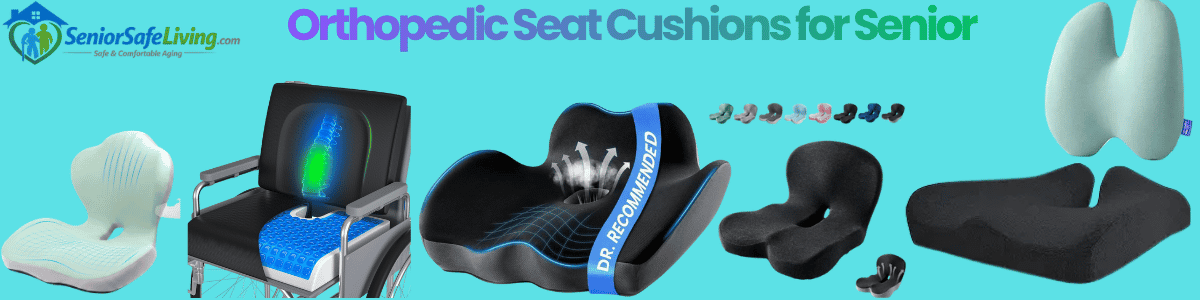
Orthopedic Seat Cushions for Senior
Orthopedic Seat Cushions for Senior: Sit Longer, Travel Easier and Reduce Daily Back Strain
Orthopedic Seat Cushions for Senior comfort are supportive cushions designed to reduce pressure on the hips, tailbone and lower back while sitting. For older adults, the right cushion can improve chair comfort, support posture, make car rides easier and reduce sitting strain when used with proper chair setup and regular movement.
Why Orthopedic Seat Cushions for Senior Comfort Matter
Sitting sounds easy until it becomes uncomfortable. Many seniors spend more time seated than they used to. They may sit for meals, television, reading, appointments, church services, car rides or recovery after light activity. Over time, a hard chair, soft sofa or poorly shaped car seat can turn sitting into a daily source of discomfort.
That is where Orthopedic Seat Cushions for Senior comfort can help. A good cushion can reduce pressure under the hips, support the pelvis and make sitting feel more balanced. It can also help seniors avoid sinking too deeply into a chair.
For some older adults, the issue is lower back strain. For others, it is tailbone pressure, hip soreness, numbness from long sitting or discomfort during car travel. The best cushion depends on the real problem.
An orthopedic seat cushion may help during:
- Long TV sessions
- Dining room sitting
- Office chair or desk use
- Wheelchair sitting
- Long car rides
- Recovery after minor strain
- Reading or puzzle time
- Waiting room appointments
Still, a cushion is not a cure for every kind of pain. It is a comfort tool. It works best when paired with good posture, supportive chair height, feet flat on the floor, lumbar support and regular movement breaks.
What Is an Orthopedic Seat Cushion for Senior Use?
An orthopedic seat cushion for Senior use is a specially shaped cushion designed to improve sitting support. Unlike a regular pillow, it usually has firmer structure, pressure-relief design and a shape that supports the pelvis, hips or tailbone.
Some orthopedic cushions are made from memory foam. Others use gel, air cells, contoured foam or hybrid materials. Some have a U-shaped cut-out at the back to reduce pressure on the coccyx, also called the tailbone.
Orthopedic Cushion vs Regular Pillow
A regular pillow may feel soft at first, but it often collapses quickly. Once it flattens, the senior may lose support and sink into the chair again.
An orthopedic cushion is designed to hold shape better. It should support the sitting bones and reduce pressure in key areas without feeling hard or unstable.
What “Orthopedic” Really Means
In product marketing, “orthopedic” usually means the cushion is designed to support body alignment, reduce pressure or improve comfort. It does not mean the cushion is a medical treatment for every condition.
Seniors with severe pain, new pain after a fall, numbness, weakness or worsening symptoms should seek medical advice instead of relying only on a cushion.
Who Usually Benefits Most?
Orthopedic seat cushions often help seniors who:
- Feel pressure under the tailbone
- Have discomfort from hard chairs
- Sit for long periods
- Need extra height in a low chair
- Feel lower back strain while sitting
- Travel often by car
- Use a wheelchair or firm chair
- Need better posture support during desk work
How Sitting Affects Seniors Differently
Sitting changes with age. What felt comfortable at 40 may feel painful at 70. That does not mean the senior is weak. It means the body needs better support.
Less Natural Cushioning
Some seniors lose muscle and soft tissue around the hips and buttocks. This can make hard chairs feel harsher and increase pressure under the sitting bones.
Stiffer Hips and Lower Back
Age-related stiffness can make sitting posture harder to maintain. If the hips feel tight, the pelvis may roll backward, which can strain the lower back.
Longer Sitting Time
Many seniors sit more because of fatigue, mobility concerns or daily habits. Longer sitting means pressure stays in the same areas for longer periods.
Reduced Strength
Weak core, hip or leg muscles can make it harder to sit upright and stand safely. A cushion may help comfort, but strengthening and movement still matter.
Skin Sensitivity
Older skin can be more delicate. A cushion that creates pressure marks, heat or friction may not be suitable for long sitting.
Balance and Standing Safety
A cushion changes seat height. If it is too thick or slippery, it can make standing up less safe. This is one of the most important senior-specific buying points.
Best Orthopedic Seat Cushion for Lower Back Pain: What to Look For
The phrase best orthopedic seat cushion for lower back pain is one of the most common buyer searches. The truth is that no single cushion is best for every senior. The best choice depends on how the person sits, where the pain appears and what chair they use most.
Look for Pelvic Support
Lower back discomfort often connects to pelvic position. If the pelvis tilts backward, the lower back may round. A good seat cushion can encourage a more balanced sitting position.
Choose Firm Support, Not Hard Pressure
A cushion should not feel like sitting on a rock. But it also should not collapse. Seniors usually need a cushion that is firm enough to hold shape but soft enough to reduce pressure.
Consider a Coccyx Cut-Out
A U-shaped cut-out at the back can reduce direct pressure on the tailbone. This may help seniors who feel pain at the bottom of the spine while sitting.
Pair It With Lumbar Support
A seat cushion supports the bottom of the body. A lumbar cushion supports the lower back. Many seniors feel best when both areas are supported.
Check Chair Height After Adding the Cushion
A cushion that raises the senior too high can create new problems. The feet should still rest flat on the floor or on a stable footrest.
Lower Back Pain Cushion Checklist
- Firm but not painful
- Stable, non-slip base
- Coccyx cut-out if tailbone pressure is present
- Breathable washable cover
- Correct size for the chair
- Does not make feet dangle
- Does not make standing harder
- Works with lumbar support if needed
Orthopedic Seat Cushion for Back Pain: What It Can and Cannot Do
An orthopedic seat cushion for back pain can be helpful, but expectations should stay realistic. A cushion can improve sitting comfort. It cannot diagnose or fix every cause of back pain.
What It Can Do
- Reduce pressure from hard chairs
- Support the pelvis during sitting
- Improve seated posture awareness
- Make long sitting more tolerable
- Help with car or desk comfort
- Reduce direct tailbone pressure if designed with a cut-out
What It Cannot Do
- Replace medical care for severe pain
- Strengthen weak muscles by itself
- Correct every posture problem
- Prevent all pain from long sitting
- Fix chair height problems completely
- Treat nerve symptoms such as numbness or weakness
Why Movement Still Matters
Even the best cushion cannot make the body enjoy sitting for hours without movement. Seniors should stand, walk or shift positions regularly when safe.
A helpful rule is: support your sitting, but do not live in one position.
Types of Orthopedic Seat Cushions
There are many orthopedic seat cushions on the market. Understanding the types helps seniors and caregivers avoid buying the wrong one.
Memory Foam Seat Cushions
Memory foam cushions are popular because they contour to the body. They can feel soft yet supportive. However, quality varies. Low-quality foam may flatten quickly.
Gel Seat Cushions
Gel cushions can feel cooler and may distribute pressure well. They are often used by people who sit for long periods. Some are heavier than foam, so portability matters.
Coccyx Cushions
Coccyx cushions have a cut-out at the back to reduce pressure on the tailbone. These are often used for tailbone discomfort, lower back strain or long sitting.
Wedge Cushions
Wedge cushions tilt the pelvis slightly forward. This can help some seniors sit more upright. However, if the angle is too steep, it may feel unstable.
Donut Cushions
Donut cushions have a hole in the center. Some people use them for pressure relief, but they are not always the best choice for tailbone pain or long-term sitting. Seniors should choose based on comfort and professional advice if symptoms are specific.
Air Cushions
Air cushions can adjust pressure and are often used in wheelchair seating. They may require setup and maintenance. Seniors with pressure sore risk should consult a healthcare professional.
Hybrid Cushions
Hybrid cushions combine foam, gel or air. These can offer balanced support but may cost more.
How to Choose an Orthopedic Seat Cushion for Senior Chairs
Choosing a cushion starts with the chair. A cushion that works on a firm dining chair may not work on a soft recliner.
Measure the Seat
The cushion should fit the chair without hanging over the front or sides. If it is too wide, it may bunch. If it is too narrow, it may not support the hips evenly.
Check Seat Height
After placing the cushion, the senior’s feet should still reach the floor. If not, use a stable footrest or choose a thinner cushion.
Choose a Non-Slip Bottom
A cushion that slides can become a fall risk. Look for a non-slip base, straps or a texture that helps it stay in place.
Test Standing Up
The senior should sit, then stand slowly. If the cushion shifts, tilts or makes standing harder, it may not be safe.
Watch for Pressure Marks
After 20 to 30 minutes, check for discomfort, redness, numbness or pressure. Seniors with fragile skin need extra caution.
Chair Cushion Checklist
- Fits the chair properly
- Does not slide
- Does not raise the seat too much
- Supports the hips evenly
- Feels comfortable after real sitting time
- Allows safe standing
- Has a washable cover
Orthopedic Seat Cushions for Cars, Wheelchairs and Recliners
Seniors do not sit in only one place. A cushion may be needed in the car, wheelchair, recliner or dining chair. Each setting has different rules.
Car Use
In a car, the cushion must not interfere with driving, seatbelt position or safe entry and exit. If the senior drives, the cushion should not change pedal reach or steering control.
Wheelchair Use
Wheelchair seating is more complex. Seniors who sit in a wheelchair for long periods may need professional seating advice, especially if there is pressure sore risk, posture collapse or skin breakdown.
Recliner Use
Recliners are comfortable, but some are too soft. A cushion can help, but it must not slide when the senior reclines or stands.
Dining Chair Use
Dining chairs are often hard. A medium-firm orthopedic cushion can make meals more comfortable without changing posture too much.
Travel Use
A portable cushion can help during flights, bus rides or waiting rooms. Lightweight foam is easier to carry than heavy gel.
Material Guide: Foam, Gel, Air and Covers
The material affects comfort, support, temperature and durability.
Memory Foam
Good for contouring and general comfort. Choose high-density foam if possible because it holds shape better.
Gel
Good for cooling and pressure distribution. Some gel cushions feel firmer and heavier.
Air Cells
Good for adjustable pressure relief. Best for users who need careful pressure management, often with professional guidance.
Firm Foam
Good for structure and posture support. It may be too hard for seniors with sensitive skin or bony hips.
Breathable Covers
A breathable cover helps reduce heat buildup. This matters for seniors who sit for long periods.
Washable Covers
A removable washable cover is almost essential for daily use. It keeps the cushion cleaner and more practical.
How to Use an Orthopedic Seat Cushion Safely
Correct use matters. A good cushion can become uncomfortable if placed incorrectly.
Place It Flat
The cushion should sit flat on the chair. It should not be folded, tilted sideways or placed over uneven surfaces.
Position the Cut-Out Correctly
If the cushion has a coccyx cut-out, the cut-out usually goes at the back. The tailbone should hover over the opening rather than press into the cushion.
Keep Feet Supported
Feet should rest flat on the floor or on a footrest. Dangling feet can increase pressure and reduce stability.
Use With Back Support
A seat cushion supports the bottom. A lumbar roll or lower-back cushion may be needed to support the spine.
Start With Short Sessions
Test the cushion for 15 to 30 minutes before using it all day. Notice whether pain improves, worsens or moves to another area.
Take Movement Breaks
Stand, stretch or walk when safe. A cushion reduces pressure, but movement restores comfort.
Common Mistakes to Avoid
Small mistakes can make a good cushion feel bad.
Choosing Too Soft
A cushion that collapses may feel comfortable for five minutes but fail during longer sitting.
Choosing Too Thick
A cushion that raises the senior too high can make feet dangle or standing unsafe.
Ignoring Chair Fit
Not every cushion fits every chair. Check size before buying.
Using a Sliding Cushion
A cushion that moves under the body can increase fall risk.
Expecting It to Cure Pain
A cushion can improve comfort, but persistent pain needs proper evaluation.
Sitting Too Long
Even with a cushion, seniors should avoid staying in one position for hours.
When Seniors Should Seek Medical Advice
Most mild sitting discomfort can improve with better support and movement. But some symptoms need medical attention.
A senior should speak with a healthcare professional if they have:
- Severe back pain
- Pain after a fall
- New numbness or tingling
- Weakness in the legs
- Loss of bladder or bowel control
- Fever with back pain
- Unexplained weight loss
- Tailbone pain that does not improve
- Skin sores from sitting
- Pain that wakes them at night
For wheelchair users or seniors at risk of pressure sores, professional seating advice is especially important.
Internal Link Suggestions
To strengthen topical authority and improve SEO performance, add internal links from this article to related posts.
- Best lumbar support cushions for seniors
- How to reduce back pain from sitting
- Best chair cushions for elderly adults
- Senior posture support guide
- Car comfort accessories for seniors
- Wheelchair comfort tips for older adults
- Gentle back exercises for seniors
- How to choose a recliner for back pain
External Authority References
FAQ About Orthopedic Seat Cushions for Older Adults
Are orthopedic seat cushions good for seniors?
Orthopedic seat cushions can help many seniors sit more comfortably by reducing pressure on the tailbone, hips and lower back. They work best when paired with proper chair height, feet flat on the floor, posture support and regular movement breaks.
What is the best orthopedic seat cushion for lower back pain?
The best orthopedic seat cushion for lower back pain depends on the senior's symptoms and chair setup. Many seniors prefer a firm memory foam cushion with a coccyx cut-out, non-slip bottom, washable cover and enough height to support posture without making standing harder.
Can an orthopedic seat cushion help with tailbone pain?
A cushion with a coccyx cut-out may help reduce direct pressure on the tailbone while sitting. Seniors with severe, persistent or injury-related tailbone pain should seek medical advice.
Can seniors use orthopedic seat cushions in cars?
Yes, seniors can use orthopedic seat cushions in cars if the cushion does not interfere with seatbelt position, driving posture, pedal reach or safe entry and exit. The cushion should stay secure and not slide.
How thick should a senior seat cushion be?
A senior seat cushion should be thick enough to reduce pressure but not so tall that the feet dangle or standing becomes difficult. Most seniors need a cushion that improves support without changing chair safety.
When should a senior stop using an orthopedic cushion?
A senior should stop using an orthopedic cushion if it causes more pain, numbness, tingling, pressure marks, sliding, poor balance, difficulty standing or discomfort after a short sitting test.
Conclusion: Better Sitting Starts With the Right Support
Orthopedic Seat Cushions for Senior comfort can make daily sitting easier, safer and more enjoyable. The right cushion may reduce pressure, support posture, help with lower back discomfort and make chairs or car seats more comfortable.
The best cushion is not always the thickest or softest. It is the one that fits the senior’s body, chair and daily routine. It should stay in place, support the hips, reduce pressure, allow feet to rest flat and make standing up safe.
For best results, combine the cushion with lower-back support, good chair height, regular movement breaks and gentle back-friendly exercises. If pain is severe, sudden or persistent, seek medical advice.
Final CTA: Start with the chair your loved one uses most. Choose a stable orthopedic seat cushion, test it for 20 minutes and build a simple comfort routine around better sitting, safer standing and regular movement.