

Physical Health Support for Seniors
Best Health Support for Seniors: A Complete Guide to Aging Well
The best Health Support for seniors combines medical care, emotional support, safe living spaces, nutrition, mobility help, social connection, and caregiver guidance. Seniors age better when support is proactive, personal, and designed around independence—not just illness management.
Search Intent Analysis for “Best Health Support for Seniors”
The search intent behind best Health Support for seniors is mainly informational with commercial investigation. Readers want to understand what types of health support older adults need, which services matter most, and how to choose safe, trustworthy options.
Most people searching this phrase are adult children, caregivers, spouses, senior living researchers, or older adults planning ahead. They are not only looking for medical advice. They want practical answers like:
- How can seniors stay independent longer?
- What support helps prevent falls, loneliness, and health decline?
- Are mental health groups useful for older men or retired professionals?
- What home furniture supports health concerns seniors luxury interiors for seniors?
- How can caregivers build a complete support system?
A major competitor gap is that many articles only discuss medical care. But real senior health support is broader. It includes physical safety, emotional wellness, nutrition, mobility, mental health, home design, technology, caregiver relief, and community belonging.
Why Seniors Need More Than Basic Medical Care
Many families think senior health support means doctor visits and prescriptions. Those are important, but they are only part of the picture. A senior can have a good doctor and still struggle with loneliness, poor sleep, unsafe stairs, weak muscles, or confusion about medications.
True health support looks at the whole person. It asks: Can this person move safely? Are they eating enough protein? Do they have someone to call? Are they mentally engaged? Is their home helping or hurting them?
For example, an older adult may be medically stable but stop going outside because they fear falling. Over time, that fear can lead to less movement, weaker muscles, isolation, and depression. The best support system prevents this chain reaction before it becomes a crisis.
Core Elements of the Best Health Support for Seniors
The best Health Support for seniors usually includes several connected layers. No single service solves everything. The strongest plan combines professional care, family involvement, home safety, emotional care, and daily lifestyle support.
Regular Preventive Health Checkups
Preventive care helps catch problems early. Seniors should keep up with routine screenings, vision checks, hearing tests, dental visits, blood pressure monitoring, medication reviews, and chronic condition follow-ups.
Small issues can become major problems when ignored. Poor vision can increase fall risk. Untreated hearing loss can lead to isolation. Medication side effects can cause dizziness or confusion.
Medication Management
Many seniors take multiple medications. Without support, it becomes easy to miss doses, double-dose, or mix medicines incorrectly.
Helpful tools include:
- Weekly pill organizers
- Medication reminder apps
- Pharmacy blister packs
- Caregiver check-ins
- Doctor-led medication reviews
A simple medication review can sometimes improve energy, balance, sleep, and mental clarity.
Fall Prevention and Mobility Support
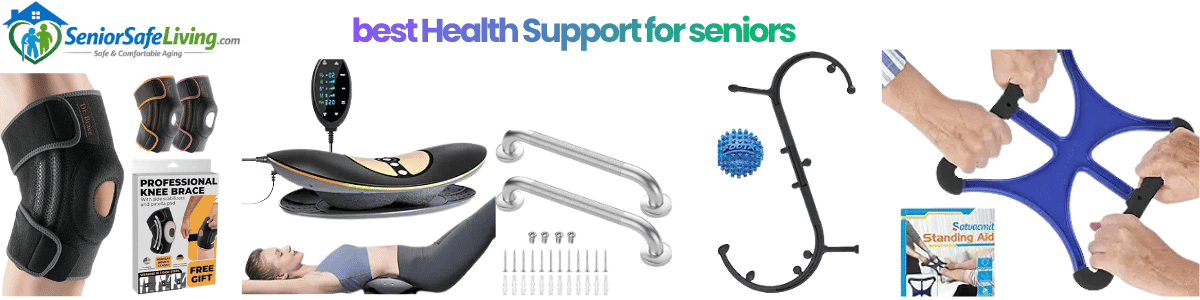
Falls are one of the biggest threats to senior independence. Support should include safe footwear, strength training, balance exercises, grab bars, clear walkways, and regular vision checks.
Mobility aids should not be seen as signs of weakness. A cane, walker, stair rail, or lift chair can help a senior stay active and confident.
Physical Health Support That Helps Seniors Stay Independent
Physical health support should focus on strength, balance, flexibility, endurance, and daily function. The goal is not athletic performance. The goal is confidence: getting out of bed, walking safely, climbing steps, carrying groceries, and enjoying life.
Exercise Support for Older Adults
Movement is one of the most powerful health supports for seniors. Even gentle activity can improve circulation, balance, mood, sleep, and joint comfort.
Good senior-friendly options include:
- Walking
- Chair exercises
- Water aerobics
- Stretching
- Light resistance training
- Tai chi
- Physical therapy programs
One real-life example: A retired teacher who stopped walking after a fall may regain confidence through supervised balance therapy. After a few weeks, she may feel safe enough to walk to the garden again. That small win can improve both physical and emotional health.
Nutrition Support for Seniors
Nutrition often becomes harder with age. Appetite may decrease. Cooking may feel tiring. Dental problems, loneliness, or medication side effects can reduce food intake.
Strong nutrition support includes easy-to-prepare meals, hydration reminders, grocery help, protein-rich snacks, and regular weight monitoring.
Senior meals should often focus on:
- Lean protein
- Vegetables
- Whole grains
- Healthy fats
- Calcium-rich foods
- Vitamin D sources
- Enough fluids
Families should watch for sudden weight loss, low energy, skipped meals, or expired food in the refrigerator.
Mental Health Support for Seniors
Mental health matters at every age. Seniors may face grief, retirement changes, physical limitations, memory concerns, reduced income, or the loss of close friends. These changes can quietly affect mood and identity.
Men's mental health support groups for seniors can be especially valuable because many older men were raised to hide emotional pain. A peer group can make it easier to discuss loneliness, purpose, grief, anger, or anxiety without feeling judged.
Support Groups for Retired Professionals and First Responders
Some seniors carry emotional stress from demanding careers. For example, a retired officer may search for a police officer support group mental health online for seniors because they want people who understand trauma, duty, identity, and life after service.
Online support can be helpful when transportation is difficult. Seniors can join from home, listen before speaking, and connect with people who share similar experiences.
Warning Signs Seniors Need Emotional Support
- Loss of interest in hobbies
- Sleeping too much or too little
- Frequent sadness or irritability
- Avoiding family and friends
- Changes in appetite
- Talking about being a burden
- Increased alcohol use
- Poor hygiene or neglected home care
Emotional struggles should not be dismissed as “just aging.” Seniors deserve the same mental health care, dignity, and compassion as anyone else.
Social Connection: The Hidden Health Support Seniors Need
Social connection is not a luxury. It is a health need. A senior who has regular conversation, meaningful routines, and trusted relationships is more likely to stay engaged with life.
Support can include family visits, senior centers, faith communities, hobby clubs, volunteer programs, phone check-ins, video calls, and intergenerational activities.
A simple weekly routine can make a big difference:
- Monday: phone call with a family member
- Wednesday: walking group or chair exercise class
- Friday: hobby club, prayer group, or community meal
- Sunday: family lunch or video call
Consistency matters. Seniors often feel safer and happier when they know support is not random.
Home Safety and Furniture Supports Health Concerns Seniors Luxury Interiors for Seniors
A beautiful home should also be a safe home. Many families now want furniture supports health concerns seniors luxury interiors for seniors because they do not want medical-looking spaces. They want comfort, elegance, and safety together.
Senior-Friendly Furniture Choices
The right furniture can protect joints, reduce fall risk, and make daily movement easier.
- High-seat chairs: Easier to sit and stand from.
- Firm sofas: Prevent sinking and struggling to rise.
- Rounded corners: Reduce injury risk.
- Stable armrests: Support standing and balance.
- Adjustable beds: Help with breathing, swelling, and comfort.
- Non-slip rugs or rug-free floors: Lower tripping risk.
Luxury senior interiors can include warm lighting, elegant recliners, hidden grab bars, smooth flooring, wider pathways, and stylish storage that keeps clutter away.
Bathroom and Bedroom Safety
The bathroom is one of the most dangerous areas for seniors. Supportive changes include grab bars, walk-in showers, shower chairs, non-slip mats, handheld showerheads, and raised toilet seats.
In the bedroom, place lamps within reach, remove loose cords, keep walking paths clear, and consider motion-sensor night lights.
Caregiver Support: Protecting the Senior and the Helper
Caregivers often carry quiet stress. They manage appointments, meals, medications, emotions, emergencies, finances, and family communication. Without support, caregivers can burn out.
The best senior health plan also supports the caregiver.
Practical Caregiver Support Ideas
- Use shared calendars for appointments.
- Create a medication list and emergency contact sheet.
- Schedule respite care before exhaustion hits.
- Divide tasks among family members.
- Use meal delivery or grocery delivery when needed.
- Join caregiver support groups.
A caregiver should not wait until they feel overwhelmed. Asking for help early protects everyone.
Technology Support for Senior Health
Technology can make senior care safer and easier when used wisely. It should simplify life, not make it more confusing.
Useful Health Technology for Seniors
- Medical alert buttons
- Fall detection devices
- Medication reminder systems
- Video calling devices
- Blood pressure monitors
- Smart doorbells
- GPS trackers for seniors with memory concerns
Technology works best when someone teaches the senior slowly and respectfully. Avoid overwhelming them with too many devices at once.
Understanding Odd Search Terms Like “Heal Teammates for Health With the Support for Seniors”
Some search terms around this topic are unusual, such as heal teammates for health with the support for seniors or bf6 heal teammates for health with the support for seniors. These phrases sound like gaming-related searches mixed with senior health terms.
Still, the idea behind them is useful: health support is a team effort. Seniors need a “team” that may include doctors, family, therapists, caregivers, neighbors, pharmacists, and community groups.
Just like a support role in a game helps teammates survive and perform better, senior health support helps older adults stay steady, safe, and emotionally strong. The best care team does not wait for crisis. It watches, encourages, protects, and responds.
How to Choose the Best Health Support for Seniors
Choosing support starts with the senior’s real needs. Do not buy services just because they sound impressive. Match support to daily challenges.
Ask These Questions First
- Does the senior live alone?
- Have they fallen recently?
- Are medications being taken correctly?
- Are they eating well?
- Do they feel lonely?
- Can they bathe and dress safely?
- Are they managing bills and appointments?
- Is memory changing?
- Is the caregiver becoming exhausted?
Answers to these questions will show whether the senior needs home care, medical monitoring, therapy, social support, transportation help, meal support, or home modifications.
Compare Support Options Carefully
When choosing a service provider, look for:
- Clear pricing
- Trained staff
- Good reviews
- Emergency procedures
- Background checks
- Flexible care plans
- Family communication
- Respect for senior dignity
The cheapest option is not always the safest. The most expensive option is not always the most personal. Choose care that fits the person.
Best Types of Health Support Services for Seniors
In-Home Care
In-home care helps seniors with bathing, dressing, light housekeeping, meals, mobility, and companionship. It is ideal for seniors who want to age in place but need daily help.
Home Health Care
Home health care is more medical. It may include nursing, wound care, physical therapy, occupational therapy, or monitoring after surgery or hospitalization.
Adult Day Programs
Adult day programs offer supervision, meals, activities, and social connection during the day. They also give caregivers time to work or rest.
Senior Centers
Senior centers provide classes, meals, exercise, games, transportation resources, and community. They are often underrated but powerful.
Telehealth
Telehealth allows seniors to speak with doctors or therapists without leaving home. This is useful for follow-ups, medication questions, and mental health support.
Internal Link Suggestions
To improve SEO and user experience, add internal links to related articles such as:
- Best Exercises for Seniors at Home
- Fall Prevention Checklist for Older Adults
- How to Choose Home Care for Seniors
- Senior Nutrition Guide for Healthy Aging
- How to Support Aging Parents Without Burnout
External Authority References
For credibility, link to trusted health resources such as:
- National Institute on Aging
- Centers for Disease Control and Prevention
- World Health Organization
- MedlinePlus
- Local government senior services
FAQ About Senior Health Support
What is the most important health support for seniors?
The most important support depends on the person, but fall prevention, regular medical care, medication management, nutrition, movement, and social connection are usually essential.
How often should seniors see a doctor?
Many seniors benefit from at least one annual wellness visit, but those with chronic conditions may need more frequent appointments. A doctor can recommend the right schedule.
Can seniors live independently with health support?
Yes. Many seniors can live independently when they have the right mix of home safety, transportation, medical care, meal support, and regular check-ins.
What are the best mental health resources for seniors?
Therapists, peer support groups, grief groups, men’s mental health support groups, caregiver programs, faith communities, and online counseling can all help.
How do I know if my parent needs home care?
Signs include missed medications, poor hygiene, falls, spoiled food, isolation, unpaid bills, confusion, weight loss, or difficulty with bathing, dressing, and meals.
Are online senior support groups safe?
Many are safe, but choose groups from trusted organizations. Avoid sharing private financial or medical details in public forums.
Conclusion: The Best Health Support for Seniors Is Personal, Proactive, and Respectful
The best Health Support for seniors is not a single product or service. It is a complete circle of care that protects physical health, emotional well-being, independence, safety, and dignity.
Start with the basics: medical checkups, safe movement, good nutrition, medication support, and fall prevention. Then add social connection, mental health care, caregiver relief, and senior-friendly home design.
Most importantly, include the senior in every decision. Support should never make older adults feel powerless. The right support helps them feel seen, respected, confident, and capable of enjoying life at every stage.