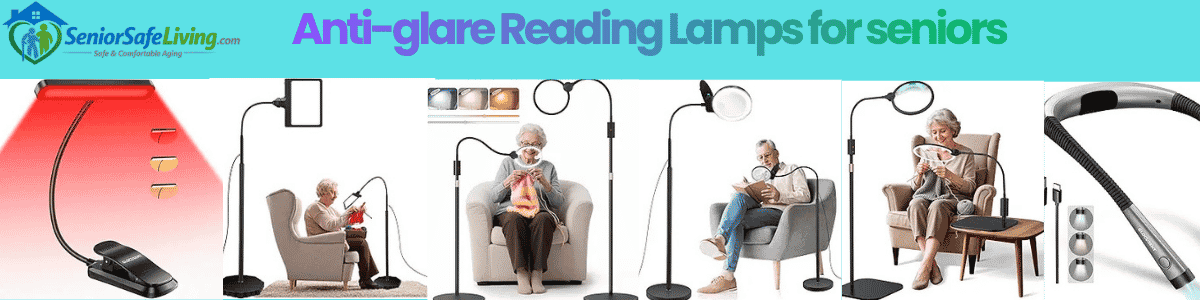
Anti-glare Reading Lamps for Seniors
Anti-glare Reading Lamps for Seniors: Comfortable, Safer Reading Without Eye Strain
Anti-glare Reading Lamps for seniors help older adults read more comfortably by reducing harsh reflections, shadows, and direct brightness. The best lamps offer soft, adjustable, flicker-free light that makes books, newspapers, medication labels, and hobbies easier to see without causing unnecessary eye strain.
Reading is one of life’s quiet pleasures. For many seniors, it is part of a daily routine: morning newspaper, afternoon puzzle, evening novel, devotional reading, knitting pattern, or medication instructions. But as eyes age, reading under poor lighting can become frustrating. Words may look faded. Pages may reflect too much light. A lamp that once felt comfortable may suddenly feel harsh.
That is why choosing the right reading lamp matters. A regular lamp may brighten a room, but it may not provide the focused, comfortable, glare-controlled light seniors need. An anti-glare reading lamp is designed to make reading easier on the eyes while improving visibility and comfort.
Good lighting is not only about brightness. It is about balance. Seniors often need more light to see clearly, but too much direct light can create glare. The right lamp should brighten the page, soften harsh reflections, and allow the user to adjust the light based on the time of day, reading material, and personal vision needs.
Why Anti-glare Reading Lamps for Seniors Matter
Aging naturally changes the way people see. Older adults may need more light for close-up tasks, may take longer to adjust between bright and dim spaces, and may become more sensitive to glare. Conditions such as cataracts, dry eyes, macular degeneration, glaucoma, and diabetic eye disease can make reading even more difficult.
Anti-glare Reading Lamps for seniors are important because they solve a specific problem: they provide useful light without overwhelming the eyes. A bright lamp that shines directly into the face may technically provide illumination, but it can make reading uncomfortable. A dim lamp may feel gentle, but it may not provide enough clarity.
The goal is a lamp that creates a clear, even pool of light over the page. It should reduce shadows, prevent harsh reflections, and help the senior read for longer periods without squinting or feeling tired.
For seniors, the benefits can be meaningful:
- Less eye strain during reading and close-up tasks
- Better page clarity for books, newspapers, bills, and labels
- Reduced glare from glossy pages, tablets, or white paper
- More comfort during evening reading
- Improved independence for daily tasks
- Safer visibility around chairs, desks, and bedside areas
Many families focus on big safety upgrades, such as grab bars, walkers, and stair rails. Those are important. But lighting is one of the simplest home improvements that can make daily life easier for older adults.
How Glare Affects Senior Reading Comfort
Glare happens when light is too intense, poorly directed, or reflected into the eyes. It can come from a bare bulb, shiny table, glossy book page, tablet screen, white paper, glass surface, or bright lamp shade.
For younger eyes, mild glare may only be annoying. For senior eyes, glare can be tiring, distracting, and sometimes disorienting. It may make letters look washed out or cause the reader to tilt the page repeatedly to find a better angle.
Direct Glare
Direct glare occurs when light shines straight into the eyes. This often happens with lamps that have exposed bulbs or poorly designed shades. A senior may feel the need to look away, squint, or move the lamp.
An anti-glare reading lamp reduces direct glare by shielding the bulb, diffusing the light, or directing the beam toward the reading surface instead of the face.
Reflected Glare
Reflected glare happens when light bounces off a surface. Glossy magazines, laminated medication charts, tablet screens, and white paper can all reflect light back into the eyes.
This type of glare can be especially frustrating because the lamp may seem well placed, but the page still shines painfully. Adjustable lamp heads help because the user can change the light angle until the reflection disappears.
Contrast Problems
Reading depends on contrast between the text and the background. If lighting is uneven, shadows may reduce contrast. If lighting is too harsh, the page may look washed out. Both situations make reading harder.
A good anti-glare lamp improves contrast by spreading light evenly across the reading area.
Best Features to Look for in Anti-glare Reading Lamps for Seniors
Not every reading lamp is senior-friendly. Some are beautiful but too dim. Some are bright but harsh. Some have tiny switches or unstable bases. When buying for an older adult, focus on comfort, safety, and usability.
Anti-glare Shade or Diffuser
The shade or diffuser is one of the most important parts of the lamp. It controls how light spreads and whether the bulb shines directly into the eyes.
Look for lamps with frosted covers, diffused LED panels, deep shades, or glare-reducing designs. The light should feel soft but still strong enough for reading.
Adjustable Brightness
Seniors do not need the same brightness all day. Morning reading may require one level, evening reading another, and detailed work like sewing or puzzles may require more focused light.
A dimmable anti-glare lamp lets the user adjust brightness instead of accepting one fixed setting. This is especially helpful for seniors with changing vision needs.
Flexible Lamp Head or Gooseneck
The ability to aim light matters. A flexible neck, swing arm, or adjustable head allows the senior to direct light onto the book, desk, or craft project without moving the entire lamp.
This also helps reduce glare because the angle can be changed until reflections disappear.
Flicker-free LED Technology
Some poor-quality LED lamps may flicker subtly. Even when flicker is not obvious, it can contribute to discomfort for sensitive users. A flicker-free LED reading lamp is a better choice for long reading sessions.
Warm and Natural Color Temperature
Color temperature affects how comfortable the light feels. Warm white light feels relaxing and gentle. Natural white light can make text look clearer. Cool white light may feel crisp, but it can also feel harsh for some seniors.
The best lamp often offers adjustable color temperature so the user can choose the most comfortable setting.
Large, Easy Controls
A senior-friendly lamp should be easy to operate. Tiny touch buttons, hidden switches, or confusing controls can make the lamp frustrating.
Look for:
- Large buttons
- Simple on/off control
- Clear brightness adjustment
- Remote control if needed
- Memory function for favorite settings
Stable Base
Whether the lamp is placed beside a recliner, bed, or desk, it should feel stable. A lightweight lamp may tip if bumped by a walker, cane, pet, or vacuum cleaner.
For floor lamps, choose a weighted base. For desk lamps, choose a wide base or secure clamp design.
Choosing the Right Brightness for Elderly Eyes
Many seniors need more light to read clearly. However, the solution is not simply choosing the brightest lamp available. Too much brightness can cause glare, especially when the bulb is exposed or poorly directed.
The best brightness depends on the person’s vision, the reading material, and the room environment.
For Books and Newspapers
Books and newspapers usually need focused light that covers the full page. The lamp should sit close enough to illuminate the text clearly but angled so the light does not bounce into the eyes.
If the senior reads in a recliner, a floor lamp with an adjustable head may work better than a table lamp placed too far away.
For Medication Labels
Medication labels can be small, detailed, and difficult to read. Seniors may need brighter task lighting for this type of reading. A lamp with high brightness and good color clarity can help make small print easier to see.
Place the lamp near the area where medications are organized. This may be a kitchen counter, bedside table, or desk.
For Crafts and Hobbies
Knitting, sewing, model building, painting, puzzles, and other hobbies often require strong, focused light. Anti-glare task lamps are useful because they brighten the work area without creating harsh reflections.
For Bedtime Reading
Bedtime reading usually feels best with warm, softer light. Bright cool light may feel too alerting or uncomfortable at night. A dimmable lamp with warm color temperature is ideal.
Best Color Temperature for Senior Reading Lamps
Color temperature is measured in Kelvin. Lower numbers look warmer and more yellow. Higher numbers look cooler and more blue-white. For seniors, comfort and clarity matter more than choosing a trendy lighting color.
Warm White Light
Warm white light often falls around 2700K to 3000K. It feels cozy and gentle, making it a good choice for evening reading, bedrooms, and relaxed spaces.
Warm light may be less harsh, but it may not always provide the sharpest contrast for detailed work. That is why adjustable settings are useful.
Natural White Light
Natural white light often falls around 3500K to 4500K. It can make text look clearer and is useful for reading, paperwork, and hobbies.
Many seniors find natural white to be a good balance between comfort and visibility.
Cool White Light
Cool white light can feel bright and crisp. It may help with task work, but it can also create more glare or feel uncomfortable at night.
If choosing a lamp with cool white settings, make sure brightness can be dimmed and the lamp head can be angled away from the eyes.
Different Types of Anti-glare Reading Lamps for Seniors
The best lamp style depends on where the senior reads most often. A person who reads in bed may need a different lamp than someone who reads in a recliner or at a desk.
Anti-glare Floor Reading Lamps
Floor reading lamps are excellent for recliners, sofas, and reading chairs. They provide light from above or beside the reader without taking up table space.
Choose a floor lamp with a stable base, adjustable neck, and soft LED lighting. A remote control or easy-touch switch can make it even more senior-friendly.
Anti-glare Desk Lamps
Desk lamps work well for writing, bills, puzzles, crafts, and computer use. They are best for seniors who sit at a desk or table for focused tasks.
Look for a lamp that spreads light evenly across the work surface and allows angle adjustment.
Bedside Reading Lamps
Bedside lamps should be easy to reach and comfortable for nighttime use. A lamp with low glare, warm light, and simple controls is ideal.
If the senior has trouble reaching switches, consider a touch-control lamp, remote-control lamp, or lamp with a large easy-grip switch.
Clamp Reading Lamps
Clamp lamps attach to a desk, shelf, headboard, or table edge. They save space and can be positioned close to the reading area.
However, the clamp must be secure. Avoid flimsy clamp lamps that may shift or fall.
Magnifying Reading Lamps
Magnifying lamps combine light with magnification. They can help seniors who struggle with small print, sewing, stamps, coins, or detailed crafts.
Choose one with anti-glare lighting and a clear lens. A poor-quality magnifier can distort text and cause more strain.
Anti-glare Reading Lamps for Seniors With Low Vision
Low vision requires more than a bright bulb. Seniors with low vision need controlled, focused, even lighting that improves contrast without creating glare.
For low vision, choose a lamp with:
- High brightness range
- Anti-glare diffuser
- Adjustable color temperature
- Flexible lamp head
- Flicker-free LED technology
- Large, simple controls
- Stable placement near the reading area
It may also help to use larger-print books, high-contrast reading materials, magnifiers, and regular eye exams. A lamp is important, but it should be part of a complete vision-supportive environment.
Anti-glare Reading Lamps for Seniors With Cataracts
Cataracts can make light scatter inside the eye, which may increase glare sensitivity. A senior with cataracts may feel uncomfortable under exposed bulbs, shiny reflections, or harsh white lighting.
An anti-glare reading lamp can help by softening and directing the light. The best choice usually has a shaded or diffused light source, adjustable brightness, and a flexible head.
Placement is critical. The lamp should illuminate the page from the side or slightly behind the shoulder, not from directly in front of the eyes.
Anti-glare Reading Lamps for Seniors With Arthritis
Arthritis can make lamp controls difficult. Small switches, stiff knobs, and hard-to-reach buttons may cause pain in the hands, wrists, shoulders, or back.
For seniors with arthritis, look for lamps with:
- Large buttons
- Touch control
- Remote control
- Voice-control compatibility
- Easy angle adjustment
- Lightweight movable lamp head
The lamp should not require the senior to twist, pinch, or reach awkwardly. The best design feels effortless.
Where to Place Reading Lamps for Maximum Comfort
Lamp placement can make the difference between comfortable reading and frustrating glare. Even the best lamp will perform poorly if it shines from the wrong angle.
Beside a Recliner
Place the lamp slightly behind and beside the reader’s shoulder. This helps the light fall onto the page without shining directly into the eyes.
If the senior reads in a recliner, make sure the lamp does not block the chair’s movement or create a tripping hazard.
On a Bedside Table
A bedside reading lamp should be close enough to reach easily. The shade should block direct bulb glare, and the light should fall onto the book or tablet.
For couples, choose a focused lamp that does not disturb the other person too much.
On a Desk or Craft Table
Place the lamp on the opposite side of the writing hand to reduce shadows. For example, a right-handed person often benefits from light coming from the left side.
The lamp should cover the work area evenly without reflecting off shiny surfaces.
Near a Sofa
If the senior reads on a sofa, use a floor lamp or side-table lamp that can be angled toward the reading spot. Avoid placing the lamp behind the reader in a way that creates a shadow over the page.
Common Mistakes to Avoid When Buying
Many people choose reading lamps based on appearance. Style matters, but senior comfort should come first. Avoid these common mistakes.
Buying a Lamp That Is Too Bright
Too much brightness can be just as uncomfortable as too little light. Choose adjustable brightness instead of one fixed high setting.
Ignoring Glare Control
A lamp can be bright and still be bad for reading. If the bulb is exposed or the light reflects off the page, the senior may experience eye strain.
Choosing Tiny Controls
Small buttons may be difficult for seniors with arthritis, tremors, or low vision. Controls should be clear and easy to use.
Using the Wrong Angle
A lamp pointed directly at the face can cause discomfort. Aim the light toward the reading material instead.
Forgetting Stability
A wobbly lamp can become a safety concern. Choose a sturdy base, especially for floor lamps.
Not Testing the Lamp at Night
A lamp may look fine during the day but feel too harsh at night. Always test reading comfort in the actual environment where the senior will use it.
Safety Tips for Senior-friendly Reading Areas
A comfortable reading area should also be safe. Good lighting helps, but the surrounding space matters too.
- Keep cords away from walking paths.
- Use a stable side table for books, glasses, and remotes.
- Place the lamp within comfortable reach.
- Avoid loose rugs near the reading chair.
- Make sure the chair is easy to get in and out of.
- Keep reading glasses in the same place every day.
- Use motion sensor night lights for nearby pathways.
- Choose a lamp that does not get hot during long use.
A reading corner should feel relaxing, not risky. Small changes can help seniors enjoy their favorite books without discomfort or worry.
Buying Checklist for Anti-glare Reading Lamps for Seniors
Before buying, use this checklist to choose a lamp that truly fits senior needs:
- Does the lamp reduce direct glare?
- Does it have an anti-glare shade or diffuser?
- Can brightness be adjusted?
- Does it offer warm or natural white light?
- Is the lamp head adjustable?
- Is the LED light flicker-free?
- Are the controls large and simple?
- Is the base stable?
- Can the cord be kept out of the walkway?
- Does it suit the senior’s reading location?
- Can the senior operate it without help?
- Does it provide enough light for small print?
The best anti-glare lamp is not always the most expensive one. It is the one the senior can use comfortably every day.
Internal Link Suggestions
To improve SEO and keep readers on your website longer, add internal links to related senior lighting and home safety articles. Suggested internal link topics include:
- Best Reading Lamps for Seniors
- Remote Control Floor Lamps for Seniors
- Motion Sensor Night Lights for Seniors
- Home Safety Products for Seniors
- Bedroom Lighting Ideas for Elderly People
- Low Vision Aids for Seniors
External Authority References
For trust and E-E-A-T signals, you can reference respected eye health and aging resources:
- National Institute on Aging: Aging and Your Eyes
- National Eye Institute: Everyone’s Vision Can Change With Age
- National Eye Institute: Helping Older Adults See Well for a Lifetime
- American Academy of Ophthalmology: Eye Health for Adults Over 65
FAQ About Anti-glare Reading Lamps for Seniors
Are anti-glare reading lamps good for seniors?
Yes. Anti-glare reading lamps are good for seniors because they reduce harsh reflections and provide more comfortable light for reading. They are especially helpful for older adults who experience glare sensitivity, eye strain, or difficulty seeing small print.
What type of reading lamp is best for elderly eyes?
The best reading lamp for elderly eyes has an anti-glare diffuser, adjustable brightness, warm or natural white light, flicker-free LED technology, and a flexible lamp head. It should brighten the page without shining directly into the eyes.
What color light is best for seniors reading at night?
Warm white or natural white light is usually best. Warm light feels gentle and relaxing, while natural white light can improve text clarity. Seniors should avoid harsh glare and choose a lamp with adjustable color settings when possible.
Can anti-glare reading lamps help with eye strain?
Yes. They can help reduce eye strain by creating softer, more even lighting. A good anti-glare lamp minimizes direct brightness, reflections, and shadows, making reading more comfortable for longer periods.
Where should seniors place a reading lamp?
Seniors should place a reading lamp beside a favorite chair, recliner, bedside table, desk, or craft area. The lamp should shine on the page or task surface, not directly into the eyes.
Are LED reading lamps safe for seniors?
LED reading lamps are generally safe when they are high quality, flicker-free, low heat, and adjustable. Dimmable LED lamps are especially useful because seniors can control brightness based on their comfort and reading needs.
Do seniors need a magnifying reading lamp?
Some seniors may benefit from a magnifying reading lamp, especially if they struggle with small print, medication labels, sewing, or detailed hobbies. The magnifier should be clear, comfortable, and paired with anti-glare lighting.
Can a reading lamp help seniors with cataracts?
A good anti-glare reading lamp may help seniors with cataracts read more comfortably by reducing harsh reflections and controlling light direction. However, cataracts should always be evaluated by an eye care professional.
Conclusion
Anti-glare Reading Lamps for seniors are more than simple lighting accessories. They can make reading easier, reduce eye strain, improve page clarity, and support daily independence. For older adults who love books, newspapers, puzzles, crafts, or quiet evening routines, the right lamp can bring comfort back to everyday moments.
The best lamp should offer glare control, adjustable brightness, comfortable color temperature, flicker-free LED lighting, easy controls, and stable placement. Whether the senior reads in a recliner, bed, desk chair, or sofa, the lamp should brighten the task area without shining into the eyes.
When choosing a lamp, do not buy based on brightness alone. Look for comfort, control, and ease of use. A senior-friendly lamp should make reading feel natural again, not tiring.
Final tip: Test the lamp in the exact place where it will be used. The right anti-glare reading lamp should help the senior read longer, see better, and enjoy their favorite pages with less strain.