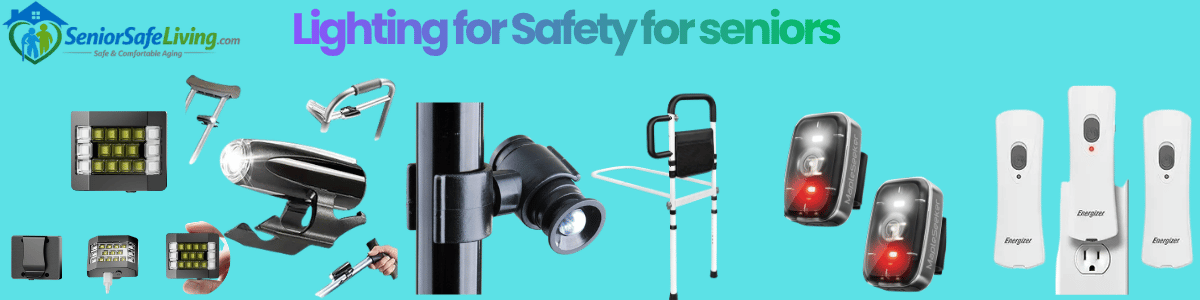
Lighting for Safety for Seniors
Lighting for Safety for Seniors: Simple Home, Walking and Visibility Tips That Reduce Risk
Lighting for Safety for seniors means using the right lights in the right places so older adults can see clearly, avoid hazards and move with confidence. Good lighting helps seniors spot stairs, rugs, cords, wet floors, furniture edges, outdoor paths and traffic risks before they become accidents.
Why Lighting for Safety for Seniors Matters Every Day
Good lighting is one of the simplest safety upgrades for senior living. It does not require a full home renovation. It does not need complicated technology. Yet it can change how safe a home feels in the morning, afternoon and night.
As people age, vision often changes. A room that once felt bright enough may now feel dim. Stairs may look flatter. Shadows may hide shoes, rugs or cords. Glare from shiny floors or bright bulbs may make it harder to see, not easier.
This is why Lighting for Safety for seniors should be part of every aging-in-place plan. A safer home is not only about grab bars and non-slip mats. It is also about making sure the senior can clearly see where they are stepping, reaching and turning.
Better lighting can help seniors:
- Walk more confidently at night
- See steps, thresholds and rugs more clearly
- Find the bathroom without fumbling
- Prepare meals with less strain
- Read labels and medication instructions more easily
- Move safely around furniture
- Feel more secure outdoors
- Stay visible during early-morning or evening walks
Lighting is not a magic solution. It should be combined with clear walkways, safe shoes, vision checks, balance support and practical home organization. But when lighting improves, many everyday tasks become easier.
How Aging Eyes Change the Way Seniors Need Light
Older adults often need more light than younger adults to see the same details. That does not mean every room should be harsh or overly bright. It means lighting should be planned more carefully.
Reduced Contrast Sensitivity
Contrast helps the eyes separate one object from another. Seniors may have more difficulty seeing a white step edge on a light-colored floor or a dark cord on a dark rug. Better lighting and contrast can make hazards more visible.
More Sensitivity to Glare
Bright light in the wrong place can create glare. Shiny floors, mirrors, glass tables and exposed bulbs can reflect light into the eyes. This may make vision less clear and increase discomfort.
Slower Adjustment Between Light and Dark
Many seniors take longer to adjust when moving from a bright room to a dark hallway. This can be risky when walking to the bathroom at night or stepping outside after being indoors.
Difficulty Seeing at Night
Low light can make steps, pets, furniture and clutter harder to see. Nighttime bathroom trips are especially important because seniors may be sleepy, in a hurry or less steady.
Why Even Lighting Works Better
For senior safety, even lighting is better than one extremely bright lamp in a dark room. Strong contrast between bright and dark areas can create shadows and confusion. The goal is balanced visibility.
Home Lighting for Senior Fall Prevention
Falls often happen during ordinary activities: walking to the bathroom, getting out of bed, going down stairs, entering the kitchen or stepping over a threshold. Lighting can support safer movement in each of these moments.
Light the Path, Not Just the Room
A ceiling light may brighten the center of the room but leave corners, walkways or stair edges dim. Seniors need light where their feet go.
Focus on these paths:
- Bed to bathroom
- Bedroom to hallway
- Living room to kitchen
- Entryway to main seating area
- Stairs and landings
- Garage to house entrance
- Front door to driveway
Use Layered Lighting
Layered lighting means using more than one type of light. A room may need overhead lighting, task lighting and soft night lighting. Together, they create better visibility without harsh brightness.
Reduce Shadows
Shadows can hide obstacles. Add lamps or wall lights in dark corners. Keep furniture from blocking light sources. Replace weak bulbs where needed.
Choose Easy Switches
Light switches should be easy to find and easy to use. Rocker switches, illuminated switches or smart controls may help seniors with arthritis, low vision or limited hand strength.
Keep Flashlights Accessible
Power outages can be dangerous if the home suddenly goes dark. Keep flashlights in predictable places, such as bedside tables, kitchen drawers and entry areas.
Bedroom Lighting for Safer Mornings and Nights
The bedroom is one of the most important places to improve lighting because seniors often move from sleep to standing. That transition can feel unsteady even in a familiar room.
Use a Bedside Lamp Within Reach
The senior should not have to stretch, twist or stand up in the dark to turn on a light. A bedside lamp, touch lamp or large-button lamp can help.
Add Motion Night Lights
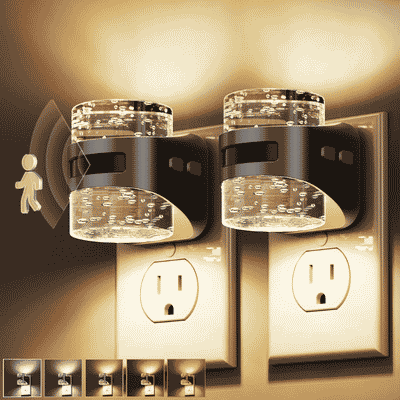
Motion-sensor night lights near the bed can turn on automatically when the senior stands. This helps prevent fumbling for switches.
Light the Bed-to-Bathroom Route
This route should be softly lit from start to finish. Place lights near the bed, along the hallway and near the bathroom entrance.
Avoid Harsh Light at Night
Very bright lights can feel startling during nighttime wake-ups. Choose warm, soft lights that provide enough visibility without causing discomfort.
Keep Cords Away From Walking Paths
Lamp cords should not cross the path from bed to bathroom. Secure cords along walls or behind furniture where they cannot trip anyone.
Bathroom Lighting for Senior Safety
The bathroom is a high-risk area because water, tile, rugs and nighttime trips can combine into a fall hazard. Good lighting makes every bathroom routine safer.
Light the Entrance
The bathroom doorway should be easy to see at night. A small motion-sensor light or plug-in night light can guide the way.
Use Bright but Comfortable Vanity Lighting
Seniors need enough light to wash, shave, apply skin care, read labels and take medication if stored safely nearby. Avoid lights that shine directly into the eyes.
Light the Shower or Tub Area
A dim shower can hide soap, shampoo bottles, wet spots or uneven surfaces. Use moisture-safe bathroom lighting where appropriate and installed correctly.
Avoid Glare From Mirrors
Mirrors can reflect bright light. Place lighting so it illuminates the face and room without creating harsh glare.
Combine Lighting With Other Safety Tools
Bathroom lighting works best with grab bars, non-slip mats, shower chairs and clutter-free floors. Lighting helps seniors see hazards, but the hazards should also be reduced.
Hallway and Stair Lighting for Seniors
Hallways and stairs need special attention. A hallway may look clear during the day but become risky at night. Stairs become more dangerous when shadows hide step edges.
Use Lights at Both Ends of the Hallway
A long hallway should not depend on one weak bulb. Place lights so the entire route stays visible.
Install Switches at Top and Bottom of Stairs
Seniors should not need to climb stairs in the dark to reach a switch. Stair lighting should be controllable from both ends.
Add Step or Strip Lighting
Low-level step lights can make stair edges easier to see. LED strip lighting under handrails or along stair edges may help when installed safely.
Use Contrast on Step Edges
Lighting becomes more effective when step edges contrast with the rest of the stair. Dark tape on light steps or light tape on dark steps may improve visibility.
Keep Stairways Clutter-Free
No lighting can make cluttered stairs safe. Shoes, boxes, laundry and bags should never sit on stair steps.
Kitchen Lighting for Safe Cooking and Daily Tasks
The kitchen requires clear visibility because seniors use sharp tools, hot surfaces, labels, medication cups, measuring spoons and small appliances there.
Use Task Lighting Under Cabinets
Overhead lighting may leave counters in shadow. Under-cabinet lights help seniors see cutting boards, food labels, utensils and hot surfaces more clearly.
Light the Stove and Sink
The stove and sink should be bright enough to see spills, water, steam and controls. Make sure light does not reflect harshly off metal surfaces.
Improve Pantry and Cabinet Lighting
Dark cabinets make it hard to read labels or find items. Battery-powered stick-on lights can help in pantry spaces or deep cabinets.
Use Clear Lighting for Medication Areas
If a senior organizes medication in the kitchen, the area should be well lit. Reading small labels in dim light can lead to mistakes.
Keep Night Kitchen Trips Safe
Some seniors get water or snacks at night. Motion lights along the route and in the kitchen can reduce the risk of walking in darkness.
Living Room Lighting for Comfort and Safety
The living room is where many seniors spend most of their day. It needs lighting for relaxation, reading, TV, movement and social time.
Use a Reading Lamp Near the Favorite Chair
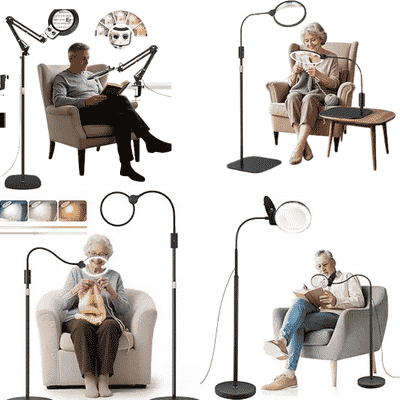
A good reading lamp reduces eye strain and helps seniors enjoy books, newspapers, puzzles and crafts. The lamp should shine on the page, not into the eyes.
Reduce TV Glare
A completely dark room with a bright TV can cause eye strain. Soft background lighting behind or near the TV may feel more comfortable.
Light Furniture Edges
Seniors should clearly see coffee tables, ottomans, side tables and footrests. Dark furniture on dark flooring can become hard to notice.
Use Lamps That Are Easy to Turn On
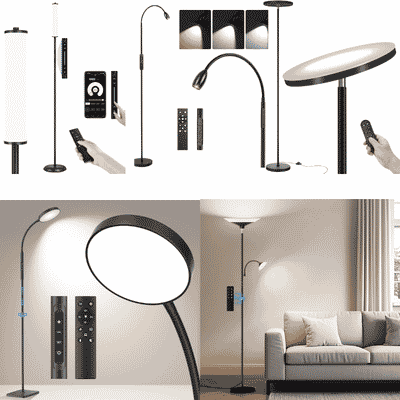
Touch lamps, large switches or remote-controlled lamps may help seniors who have limited hand strength.
Keep Lamp Cords Safe
Cords should not cross walking paths. Do not hide cords under rugs because this can create uneven surfaces and fire risk.
Outdoor Lighting for Seniors Around the Home
Outdoor lighting matters for entrances, porches, driveways, garages and walkways. Many falls happen when people move between indoor and outdoor spaces.
Light the Front Door
The front door area should be bright enough to see keys, locks, steps, packages and visitors. Motion-sensor porch lights can help.
Light Walkways and Steps
Path lights help seniors see uneven ground, garden edges and steps. Solar lights can help, but they must be bright and reliable enough for safety.
Improve Garage Lighting
Garages often have shadows, tools, cords and uneven surfaces. Bright overhead lights and motion lights can make entry safer.
Use Motion Lights for Driveways
Motion lights can turn on automatically when a senior arrives home. This helps with keys, bags and walking from car to door.
Check Lighting After Dark
Do not judge outdoor lighting during the day. Walk the path at night and notice dark spots, shadows and glare.
Safety Lights for Runners for Seniors Who Walk Outdoors
The phrase safety lights for runners for seniors also applies to older adults who walk, jog lightly, walk dogs or exercise outside. Seniors do not need to be runners to benefit from visibility lights.
Early morning and evening walks can be peaceful, but they also bring visibility risks. Drivers, cyclists and other pedestrians may not see a person quickly enough in dim light.
Clip-On Safety Lights
Small clip-on LED lights can attach to jackets, belts, walking bags or hats. They help make the senior visible from farther away.
Reflective Bands
Reflective ankle bands, wrist bands or arm bands are lightweight and easy to wear. Movement makes them more noticeable.
Lighted Vests
A lighted or reflective vest gives visibility from multiple angles. This can be helpful for seniors who walk near roads or in neighborhoods with poor street lighting.
Handheld Flashlights
A flashlight helps the senior see the path ahead. It also helps others see the senior. Choose one that is lightweight and easy to grip.
Best Safety Habits for Senior Walkers
- Walk in well-lit areas
- Wear reflective or bright clothing
- Use clip-on lights in low light
- Avoid uneven sidewalks when possible
- Carry a phone
- Tell someone the walking route
- Use supportive, non-slip footwear
Light Safety Shoes for Womens for Seniors: Footwear and Visibility
The phrase light safety shoes for womens for seniors can mean two practical things: lightweight safety shoes for older women and shoes that help with visibility. Both matter for safe movement.
Heavy shoes can make walking tiring. Slippery shoes can increase fall risk. Dark shoes may be less visible outdoors. The best senior footwear balances comfort, traction, support and visibility.
Choose Lightweight Shoes
Lightweight shoes reduce fatigue during errands, walks and household tasks. Seniors should avoid shoes that feel clunky or hard to lift.
Look for Non-Slip Soles
Good traction matters indoors and outdoors. Shoes should grip tile, wood, pavement and slightly damp surfaces.
Use Secure Closures
Slip-on shoes can be convenient, but they should not slide off the heel. Velcro straps, elastic laces or easy closures can help women with arthritis or limited hand strength.
Consider Reflective Details
Reflective strips or bright accents can help older women stay visible during outdoor walks. Shoes alone are not enough for night safety, but reflective details add another layer.
Avoid Unsafe Footwear
- Loose slippers
- High heels
- Smooth soles
- Backless shoes that slide
- Heavy work shoes that cause fatigue
- Shoes that catch on rugs
Good lighting helps seniors see the floor. Good shoes help them step safely on it.
Safety Lights for Trucks for Seniors Who Drive or Ride
The phrase safety lights for trucks for seniors may apply to older adults who drive trucks, ride in larger vehicles, use pickup trucks on farms, or help with family transportation. Vehicle lighting matters because visibility protects both the senior and everyone around them.
Keep Headlights Clean and Working
Cloudy headlights reduce visibility. Seniors who drive should check headlight brightness and replace bulbs when needed. Cleaning foggy lenses can make night driving clearer.
Check Brake Lights and Turn Signals
Other drivers need to know when a truck is stopping or turning. Seniors should regularly check brake lights, signal lights and hazard lights.
Use Hazard Lights Correctly
Hazard lights can help when a vehicle is stopped in a risky location. Seniors should understand when and how to use them according to local road rules.
Improve Visibility Around the Truck
Reflective tape, clean mirrors and working marker lights can help with visibility, especially for larger vehicles or trailers.
Senior Driving Safety Note
If night driving feels stressful, blurry or unsafe, seniors should consider daytime driving, vision checks, route planning or asking family for transportation support. Good truck lights help, but they cannot solve every night-vision challenge.
Smart Lighting for Seniors: Helpful or Too Complicated?
Smart lighting can be helpful when it makes life easier. It becomes a problem when it feels confusing or unreliable. The best smart lighting setup for seniors is simple.
Voice-Controlled Lights
Voice control can help seniors turn lights on without walking across a dark room. This is useful in bedrooms, living rooms and kitchens.
Scheduled Lights
Lights can turn on automatically at sunset or before the senior usually wakes. This reduces dark transitions.
Motion-Sensor Lights
Motion lights work well in hallways, bathrooms, closets, pantries and entryways. They do not require the senior to remember a switch.
Remote-Controlled Lamps
Simple remote controls can help seniors turn lamps on from a chair or bed. Choose large-button remotes where possible.
Keep Manual Options
Smart lights should still have manual controls. If Wi-Fi fails or the senior feels confused, they should still be able to turn the light on.
How to Choose Senior-Friendly Light Bulbs
The right bulb can make a room feel safer and more comfortable. Seniors need brightness, but they also need comfort and reduced glare.
Choose the Right Brightness
Dim bulbs may make hazards hard to see. Very bright bulbs may cause glare. Use brighter bulbs for task areas and softer bulbs for night routes.
Use Warm Light at Night
Warm light often feels calmer at night. It can guide movement without feeling harsh.
Use Clear Light for Tasks
Reading, cooking and medication sorting need clearer light. A focused task lamp can help without making the whole room too bright.
Avoid Exposed Bulbs
Exposed bulbs can shine directly into the eyes. Shades, diffusers and indirect lighting reduce glare.
Replace Flickering Bulbs
Flickering lights can be distracting and uncomfortable. Replace bulbs that flicker or fixtures that work inconsistently.
Caregiver Lighting Checklist for Senior Homes
Caregivers can improve lighting by walking through the home at the same times the senior uses each space. Morning, afternoon and night can reveal different problems.
Walk the Night Route
Start at the bed and walk to the bathroom. Notice whether the route has dark spots, cords, rugs, furniture corners or confusing shadows.
Check Stair Visibility
Stand at the top and bottom of the stairs. Can you see every step edge clearly? Are switches easy to reach?
Check Reading and Medication Areas
Ask the senior to read a label or book in their usual chair. If they lean forward or squint, improve task lighting.
Check Outdoor Entryways
Look at the porch, driveway, garage and walkway after dark. Add motion lights or path lights where needed.
Ask the Senior What Feels Dim
The caregiver may think a room is bright enough, but the senior may experience it differently. Ask directly.
Quick Caregiver Checklist
- Bedside lamp within reach
- Night lights on bathroom route
- Motion light in hallway
- Bright stair lighting
- Task lamp near reading chair
- Under-cabinet kitchen lights
- Porch light working
- Outdoor path visible
- Flashlights available
- Cords secured safely
Common Lighting Mistakes That Increase Risk
Lighting mistakes are easy to miss because people get used to their homes. But for seniors, small lighting problems can create daily hazards.
Using One Bright Light Instead of Several Balanced Lights
One bright ceiling light can create shadows. Several balanced lights often work better.
Ignoring Glare
More light is not always better. Light that reflects into the eyes can make it harder to see.
Leaving Hallways Dark
Hallways connect important rooms. They should be easy to navigate at night.
Forgetting Outdoor Areas
Driveways, steps and porches need lighting too. Many accidents happen while entering or leaving the home.
Letting Bulbs Burn Out
A burned-out bulb may seem minor until someone needs that light at night. Replace bulbs quickly.
Creating Cord Hazards
Adding lamps should not add trip hazards. Keep cords away from walkways.
Choosing Decorative Lighting Over Functional Lighting
Decorative lights may look nice, but seniors need practical visibility first.
Room-by-Room Lighting Safety Plan for Seniors
A complete lighting plan does not need to be expensive. Start with the most-used areas and improve one room at a time.
Bedroom
- Bedside lamp within reach
- Motion night light near bed
- Clear path to bathroom
- Flashlight in bedside drawer
Bathroom
- Night light near entrance
- Bright vanity light
- Shower-safe lighting where appropriate
- No harsh mirror glare
Hallway
- Motion lights
- Even lighting from end to end
- No cord hazards
- Clear floor space
Stairs
- Lights at top and bottom
- Visible step edges
- Handrail lighting if helpful
- No clutter on steps
Kitchen
- Under-cabinet lights
- Bright stove and sink area
- Pantry lighting
- Task lighting for labels
Outdoor Areas
- Porch light
- Motion driveway light
- Path lighting
- Garage lighting
Internal Link Suggestions
To improve topical authority and SEO performance, add internal links from this article to related posts on your website.
- Best night lights for seniors
- Home safety checklist for aging in place
- Fall prevention tips for elderly adults
- Best motion sensor lights for older adults
- Bathroom safety products for seniors
- Senior walking safety gear
- Non-slip shoes for elderly women
- Outdoor safety tips for seniors
External Authority References
For stronger E-E-A-T, include trusted references that support fall prevention, home lighting, outdoor visibility and pedestrian safety.
FAQ About Senior Safety Lighting
Why is lighting important for senior safety?
Lighting is important for senior safety because better visibility helps older adults see steps, rugs, cords, furniture edges, bathroom paths, outdoor walkways and obstacles. Good lighting can reduce confusion, improve confidence and support fall prevention.
What are the best lights for seniors at night?
The best night lights for seniors are soft, automatic, motion-sensor or plug-in lights placed along the bed-to-bathroom path, hallway, stairs and kitchen route. They should be bright enough to guide movement but not so harsh that they cause glare.
Where should seniors place motion sensor lights?
Seniors should place motion sensor lights near the bed, bathroom entrance, hallway, stairs, closet, kitchen, entryway, garage and outdoor walkway. These areas are common places where low visibility can create fall risk.
Are safety lights for runners useful for seniors?
Safety lights for runners can be useful for active seniors who walk early in the morning, in the evening or near roads. Clip-on lights, reflective bands and lighted vests help make the senior more visible to drivers, cyclists and other pedestrians.
What should seniors look for in light safety shoes?
Seniors looking for light safety shoes should choose lightweight, non-slip, supportive shoes with good traction, secure fit, reflective details if walking outside and enough room for toes. Shoes should improve stability, not feel heavy or stiff.
Can better lighting prevent all senior falls?
Better lighting can reduce fall risk, but it cannot prevent every fall. Seniors should combine good lighting with clutter removal, non-slip footwear, grab bars, regular vision checks, medication reviews, safe flooring and movement support.
Conclusion: Better Lighting Creates Safer, Calmer Senior Living
Lighting for Safety for seniors is one of the most practical ways to make daily life easier and safer. Good lighting helps older adults see where they are going, avoid hazards, move with confidence and stay visible outdoors.
Start with the most important routes: bed to bathroom, stairs, hallway, kitchen, entryway and outdoor walkway. Add motion lights, night lights, task lamps and path lighting where they solve real problems. Reduce glare, secure cords and replace weak bulbs quickly.
For outdoor safety, seniors should think beyond the home. Reflective gear, safety lights for runners, bright walking clothing, truck safety lights and lightweight non-slip safety shoes can all support visibility and confidence.
The best safety lighting plan is simple, consistent and senior-friendly. It should help the person see clearly without making the home feel harsh or complicated.
Final CTA: Walk through the home tonight and check every route your loved one uses after dark. Add one light where visibility feels weak, then build a safer room-by-room lighting plan from there.