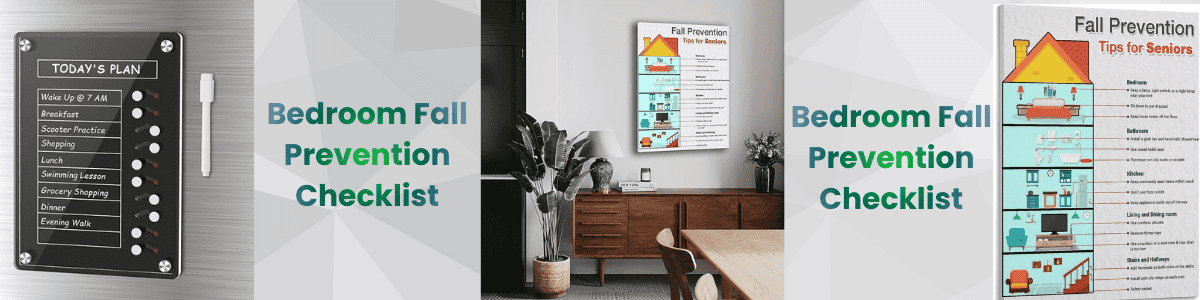
Bedroom Fall Prevention Checklist
Falls in the bedroom are a serious concern, especially for older adults, people recovering from surgery, or anyone with mobility challenges. The bedroom, often seen as a safe space, can hide unexpected hazards that increase the risk of injury. A simple trip over a loose rug or a poorly placed lamp can lead to painful consequences, sometimes even hospitalization. The good news is that many falls in the bedroom can be prevented with some practical changes and a clear plan. This guide offers a detailed, step-by-step bedroom fall prevention checklist to help you create a safer, more comfortable environment for yourself or your loved ones.
Why Bedroom Fall Prevention Matters
Statistics show that about one in four adults aged 65 and older falls each year, and most of these accidents happen at home. The bedroom is a common site for falls because people wake up disoriented, walk in the dark, or rush to the bathroom. A fall can result in broken bones, head injuries, or loss of independence.
You might think, “I know my bedroom well, so I’m safe. ” But often, familiarity leads to missed hazards. For example, a favorite chair may block your path at night, or an electric cord could become an unnoticed tripping point.
Simple adjustments can dramatically reduce these risks.
Essential Bedroom Fall Prevention Checklist
This checklist covers every aspect of bedroom safety, from furniture arrangement to lighting and daily habits. Go through each point, making changes as needed for your unique situation.
1. Clear Walking Paths
Make sure there is a wide, unobstructed path from the bed to the door, bathroom, and other key areas. Clutter is a major tripping hazard. Shoes, laundry baskets, and books may seem harmless but can cause falls, especially at night.
- Remove extra furniture that blocks movement.
- Keep shoes, cords, and bags off the floor.
- Store items like books and magazines on shelves, not on the floor.
2. Improve Bedroom Lighting
Many falls happen because people can’t see clearly. Good lighting is essential at night and in the early morning.
- Install bright, easy-to-reach bedside lamps.
- Use nightlights along paths to the bathroom.
- Add motion-sensor lights for automatic illumination.
- Replace dim bulbs with brighter LED bulbs.
A common mistake is relying only on overhead lights, which are not helpful when you wake up in the dark.
3. Secure Rugs And Carpets
Loose rugs are a frequent cause of falls. Even small mats can bunch up or slide underfoot.
- Remove rugs that do not have non-slip backing.
- Secure larger carpets with double-sided tape.
- Consider removing all throw rugs for maximum safety.
If you must keep a rug, ensure it is firmly attached to the floor and lies flat without curled edges.
4. Choose Stable Furniture
Unstable or lightweight furniture can tip over if you lose your balance.
- Use bedside tables with a wide base.
- Avoid placing chairs or stools in walking paths.
- Secure tall dressers and bookshelves to the wall.
Furniture that wobbles should be repaired or replaced.
5. Adjust Bed Height
Beds that are too high or too low make it difficult to get in and out safely.
- The top of the mattress should be at knee height when standing.
- Use a bed rail or grab bar if you need extra support.
- Avoid using stacked mattresses or thick toppers that raise the bed too much.
6. Organize Frequently Used Items
Keep glasses, phones, medications, and water within easy reach from the bed. Reaching or leaning for items increases the risk of losing balance.
- Use a bedside organizer for small items.
- Place a stable tray or basket on your nightstand.
- Avoid storing daily items on the floor.
7. Install Grab Bars And Handrails
Support bars give you something solid to hold when standing, sitting, or moving between spaces.
- Install a grab bar near the bed if you have trouble getting up.
- Place handrails along the wall if the bedroom is far from the bathroom.
- Use only professionally installed rails rated for weight support.
Don’t rely on furniture or towel racks for support—they are not designed for safety.
8. Keep Cords And Wires Out Of The Way
Electrical cords for lamps, chargers, or oxygen machines can trip you.
- Run cords along the walls, not across walking paths.
- Use cord covers to secure cables to the floor or wall.
- Choose wireless devices when possible.
9. Wear Proper Footwear
Walking barefoot or in socks increases the chance of slipping. Non-slip slippers provide better grip.
- Choose slippers with rubber soles.
- Avoid open-heel shoes or flip-flops.
- Replace worn slippers with new ones regularly.
10. Maintain A Safe Room Temperature
Cold rooms can cause stiff muscles, while extreme heat may lead to dizziness. Both increase fall risk.
- Use a thermostat to keep the room at a comfortable temperature.
- Keep a blanket within reach for cold nights.
- Avoid using space heaters that can be a trip hazard.
11. Use A Bedside Commode If Needed
For those with frequent nighttime bathroom trips, a bedside commode can reduce rushing and accidents.
- Place the commode on a non-slip mat.
- Keep it close to the bed but not blocking your main path.
- Clean and empty it regularly.
12. Review Medication Side Effects
Some medications cause dizziness, drowsiness, or low blood pressure, all of which can lead to falls.
- Ask your doctor or pharmacist to review your medications.
- Stand up slowly if you take medicines that affect balance.
- Never mix sleep aids with alcohol.
13. Schedule Regular Vision Checks
Poor vision increases the chance of misjudging distances or missing obstacles.
- Have your eyes checked at least once a year.
- Wear your glasses at night if needed.
- Use magnifying glasses for reading instructions or medication labels.
14. Check For Pets And Pet Items
Pets can be unpredictable and their toys or bowls can trip you.
- Train pets to sleep away from walking paths.
- Store pet items in a corner or against the wall.
- Watch out for pets lying near your feet at night.
15. Plan Safe Nighttime Bathroom Trips
Many falls happen when people rush to the bathroom at night, especially if they’re sleepy.
- Use a nightlight or motion sensor along the route.
- Clear all obstacles from the path.
- Consider a bathroom grab bar or raised toilet seat.
16. Test And Maintain Assistive Devices
If you use walkers, canes, or wheelchairs, they must be in good working order.
- Inspect rubber tips for wear.
- Adjust device height so it fits you comfortably.
- Store devices within easy reach of the bed.
A common mistake is storing a walker in the closet, making it hard to access when needed.
17. Remove Or Secure Decorative Items
Decorations like floor vases, standing lamps, and low shelves may look nice but can create hazards.
- Place decorative items on shelves, not the floor.
- Avoid using breakable glass items near walking paths.
- Secure wall art and mirrors so they can’t fall.
18. Practice Safe Bed Transfers
Getting in and out of bed is a high-risk moment. Take your time.
- Sit on the edge of the bed for a few seconds before standing.
- Stand up slowly to avoid dizziness.
- Hold onto a stable surface (not a rolling table or lightweight chair).
19. Keep Emergency Contacts Visible
If you do fall, quick help is important.
- Place a list of emergency contacts by your bed.
- Consider an emergency alert button or medical ID bracelet.
- Keep a phone or alert device within arm’s reach.
20. Update Safety Features Regularly
Don’t assume your bedroom will always stay safe. Revisit this checklist every few months.
- Test all lighting, grab bars, and assistive devices.
- Remove new clutter as it appears.
- Ask a friend or family member to review your room for missed hazards.
Two Insights Beginners Often Miss
First, people often overlook the importance of routine safety checks. Many hazards appear slowly—like a rug corner curling up or slippers wearing out. Regular reviews catch these before they cause harm.
Second, personal habits play a big role. Rushing, getting up too quickly, or walking in the dark are actions that increase fall risk, even in a safe room. Adjusting these habits is just as important as changing the room itself.
When To Seek Professional Help
If you have frequent falls or trouble walking, talk to a doctor or physical therapist. They can assess your mobility, suggest specific equipment, and recommend exercises to improve balance. Home health professionals can also review your bedroom for unique risks.
12 Best Bedroom Fall Prevention Checklist Product Suggestion
1.One Way Transfer Support Seat Cushion with Handles for Elderly 17"x17"
2. Non-Slip Fall Prevention Support Seat Cushion with Handles for Elderly/Disabled
3. Multi Colored Small Trash Bags for Bathroom Extra Thick Strong 2.6 Gallon & Unscented
4. Virtual Caregiver Fall Detection for Seniors With Emergency Call Button
5. Bed Sensor Alarm and Fall Prevention for Elderly with 5 Volume Level
6. Aging in Place Handbook for Fall & Accident Prevention Checklists & Diagrams
7. Balance Exercises for Seniors: Easy to Perform Fall Prevention to Improve Stability and Posture
8. Smart Caregiver Wireless Motion Sensor Alarm System with Pager for Fall and Wandering Prevention
9. Wireless Emergency Button with SOS Alert for Seniors at Home (38 Melodies 1000+ Feet Range)
10. Wireless Call Button for Elderly with Vibration & Rechargeable
11. Fall Prevention Sensor Pad with Pager - Early & Exit Alert Under Mattress Support
12. Wireless Motion Sensor Alert Room Bed Alarm and Fall Prevention for Elderly Dementia Patients
Frequently Asked Questions
What Is The Most Important Step To Prevent Bedroom Falls?
The single most important step is to keep walking paths clear. Remove clutter, small furniture, and loose rugs so there’s nothing to trip over, especially at night.
How Often Should I Review My Bedroom For Fall Hazards?
Check your bedroom for hazards at least every three months. A quick review helps you catch new risks, like worn-out slippers or new clutter, before they cause a problem.
Are Grab Bars Necessary If I Have Good Balance?
Even if you feel strong now, grab bars are valuable as a backup, especially if you get dizzy or weak unexpectedly. They are a wise safety feature for all older adults.
What Kind Of Slippers Are Safest For Bedroom Use?
Choose closed-back, non-slip slippers with a firm sole. Avoid open-heel designs or flip-flops, which can slip off and cause tripping.
Should I Wake Up My Family If I Fall In The Bedroom?
Yes, if you fall and cannot get up safely, call for help immediately. Do not try to stand if you feel pain or dizziness. Quick assistance prevents further injury.
Creating a safer bedroom is not just about moving a few things around. It’s about building habits and routines that protect your independence and well-being. By following this checklist, you make your bedroom a secure place to rest and recover, free from unnecessary risks.
Stay alert, review your space often, and don’t hesitate to ask for help if you need it.