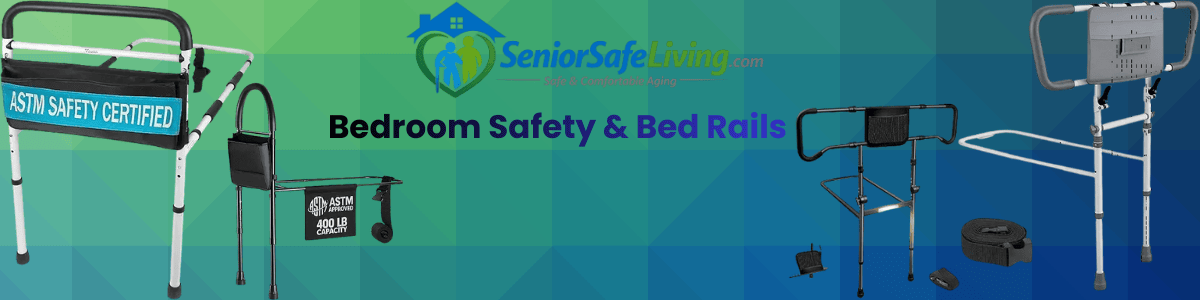
Bedroom Safety & Bed Rails
Bedroom Safety Bed Rails – Fall Prevention Solutions for USA Seniors, Disabled, and Handicap User
A safe bedroom is more than just a comfortable bed and soft lighting. For many people—especially older adults, children, and those with mobility challenges—a safe bedroom can mean the difference between independence and injury. Bedroom safety is often overlooked until something goes wrong. One of the most practical tools to prevent accidents in the bedroom is the bed rail. These simple devices can provide confidence, protect loved ones, and give peace of mind to families and caregivers.
But how do bed rails make bedrooms safer? What risks do they help address? And what should you consider before adding them to your home? This guide will give you clear, practical information about bedroom safety and bed rails, with tips you might not find elsewhere.
Whether you’re caring for a parent, a child, or simply want to feel more secure at night, you’ll find answers and confident advice here.
Why Bedroom Safety Matters
Every year, millions of people are injured in their own homes. In the United States alone, about one-third of adults over 65 fall each year. The bedroom, a place where we spend a third of our lives, is a common site for these accidents. Tripping over rugs, rolling out of bed, or losing balance when getting up can lead to serious injuries. For children, especially toddlers, the risk is also high. Even healthy adults can have an accident in the dark or when waking suddenly.
A safe bedroom is important for:
- Older adults: To prevent falls and maintain independence
- Children: To avoid injuries from falling or climbing
- People with disabilities: To move safely and reduce the risk of accidents
- Anyone recovering from surgery or illness: To support healing and confidence
Sometimes, a small change—like installing a bed rail—can prevent a major accident.
Understanding Bed Rails
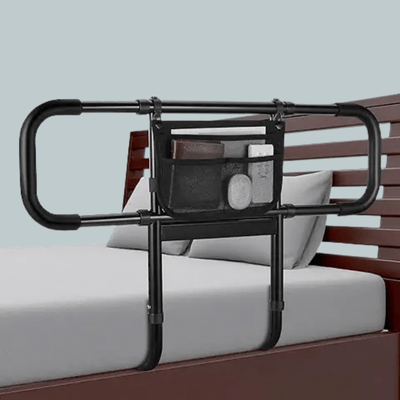
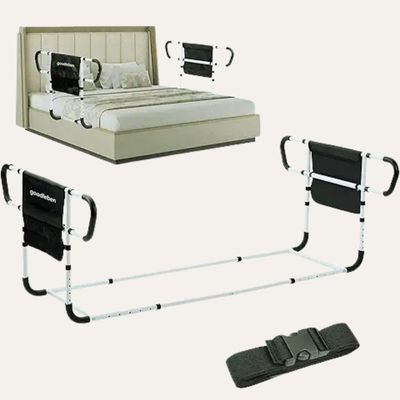
Bed rails, sometimes called side rails or safety rails, are barriers attached to the side of a bed. Their main purpose is to prevent someone from rolling out or falling when getting in or out of bed. Bed rails come in different shapes, sizes, and materials, and can be fitted to most beds.
There are two main types:
- Full-length bed rails: Cover the entire side of the bed, providing maximum protection.
- Half-length or short bed rails: Protect a section of the bed, usually near the head or middle.
Modern bed rails are designed to be easy to use, with features like fold-down arms, adjustable heights, and padding for comfort. They can be installed temporarily or permanently, depending on your needs.
Common Bedroom Hazards And How Bed Rails Help
Bedrooms can be full of hidden dangers. Here are some common risks and how bed rails and smart safety measures help reduce them:
- Falling out of bed: The most obvious risk. Bed rails create a barrier to prevent accidental falls, especially during sleep or when reaching for objects.
- Difficulty standing up: For people with limited strength, getting out of bed can be risky. Some bed rails double as support bars, making it easier to stand.
- Nighttime confusion: People with dementia or children may become confused at night and try to get out of bed unsafely. Rails can act as reminders or barriers.
- Tripping over bedding: Rails keep blankets and pillows contained, reducing the risk of tripping.
- Rolling onto the floor: For restless sleepers, especially children, bed rails provide extra security.
Less obvious is how rails help with confidence. Many people are afraid of falling, which can lead to less movement and weaker muscles. Feeling safe with a bed rail encourages movement, which is important for overall health.
Who Should Use Bed Rails?
Bed rails are not just for the elderly. They can help anyone with:
- Balance problems: After a stroke, injury, or due to medical conditions.
- Weakness or fatigue: People recovering from surgery, illness, or who have chronic conditions.
- Young children: Especially those moving from a crib to a regular bed.
- Mobility impairments: People with Parkinson’s, arthritis, or other movement challenges.
- Nighttime confusion: Those with dementia, Alzheimer’s, or certain mental health conditions.
It’s important to choose the right type of rail for the user’s needs. For instance, a child’s bed rail is different from one designed for a 90-year-old adult.
Types Of Bed Rails And How They Work
Choosing the right bed rail depends on who will use it, the bed type, and the main safety concerns. Here’s a closer look at different types and their features:
| Main Use | Key Features | ||
| Full-Length Bed Rail | Adults with high fall risk | Maximum coverage, usually for hospital or home care beds | ||
| Half-Length Bed Rail | General safety | Protects upper body, easier to get in/out | ||
| Adjustable Bed Rail | Multiple users/needs | Height and length can be changed | ||
| Portable Bed Rail | Travel, guest beds | Easy to move, foldable design | ||
| Children’s Bed Rail | Toddlers, young children | Colorful, often padded, fits smaller beds | ||
| Assist Bar |
| Acts as a handle, not a full barrier |
Some rails have extra features like pockets for storage, built-in lights, or padding for comfort. Many modern designs are easy to install with simple tools, and some do not require any drilling or permanent changes.
Key Features To Look For In Bed Rails
Not all bed rails are the same. Here’s what really matters when choosing one:
- Compatibility: Make sure the rail fits your bed type (standard, hospital, adjustable, etc. ).
- Sturdiness: The rail must support the user’s weight without bending or wobbling.
- Height and Length: The rail should be tall enough to prevent rolling over, but not so high that it’s hard to climb over if needed.
- Ease of installation: Some rails require only minutes to set up, while others need tools.
- Release Mechanism: Look for easy-to-use buttons or levers, especially if the rail must be lowered quickly.
- Padding and Comfort: Soft covers or foam reduce injury risk if bumped during sleep.
- Portability: If you travel or move the rail often, choose a lightweight, foldable model.
- Storage Options: Pockets or trays can help keep important items close at hand.
Beginner insight: Many people forget to check if the rail fits under both thick and thin mattresses. Also, some rails can block access to bedside tables—measure carefully before buying.
How To Install Bed Rails Properly
Proper installation is critical for bed rail safety. Poorly installed rails can actually cause more harm than good.
Here are the main steps:
- Read the instructions: Each model is different. Always follow the manufacturer’s guide.
- Check bed compatibility: Make sure the rail will fit your bed frame and mattress.
- Position the rail correctly: Most rails should be close to the head of the bed, but not block the pillow or face.
- Secure all connections: Tighten all screws or clamps firmly.
- Test before use: Push and pull the rail to ensure it does not shift or wobble.
- Check regularly: Re-tighten or adjust as needed, especially after moving the bed.
Non-obvious tip: If you use an adjustable bed, test the rail at all positions—raised, flat, and reclined. Some rails only work safely in one position.
Risks And Limitations Of Bed Rails
While bed rails offer many benefits, they are not risk-free. It’s important to understand their limitations and use them wisely.
Potential Risks
- Entrapment: Gaps between the rail and mattress can trap arms, legs, or even the head. This is rare but serious.
- Climbing over: Some people, especially those with dementia, may try to climb over the rail, risking a higher fall.
- False confidence: Relying only on rails can create a sense of safety while ignoring other hazards (like slippery floors).
- Improper installation: A loose or poorly fitted rail can collapse or tip.
How To Reduce Risks
- Choose rails with narrow gaps and proper height.
- Regularly check for wear and movement.
- Educate users and caregivers about safe use.
- Pair rails with other safety measures (floor mats, nightlights).
Hidden risk: Some rails are not tested for certain mattress types (like memory foam or air beds). Always check compatibility.
Other Bedroom Safety Devices And Tips
Bed rails are just one part of a safe bedroom. Consider these other tools and strategies for full protection:
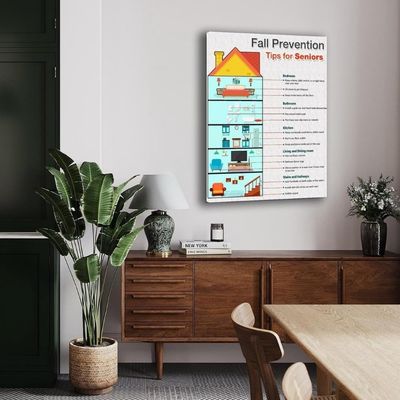
- Floor mats: Soft mats beside the bed can cushion falls.
- Nightlights: Reduce tripping and help people see rails or obstacles.
- Clear pathways: Keep the area around the bed free from cords, rugs, or clutter.
- Non-slip slippers: Wear shoes with good grip when getting out of bed.
- Furniture anchors: Secure dressers and tables to the wall to prevent tipping.
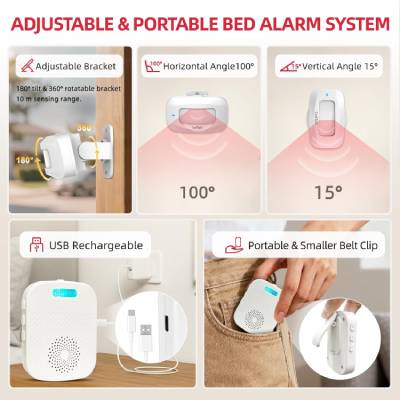
- Call buttons or alarms: For people at high risk, these can alert caregivers immediately.
| Main Purpose | Who Needs It | ||
| Bed Rail | Prevent rolling/falling | Children, older adults, rehab patients | ||
| Floor Mat | Soften landing if fall occurs | High-fall-risk users | ||
| Motion Sensor Nightlight | Illuminates path at night | Everyone, especially visually impaired | ||
| Bedside Commode |
| Mobility-impaired users |
How To Choose The Right Bed Rail For Your Needs
With many options, choosing the right bed rail can feel overwhelming. Here’s a simple process to help you decide:
- Assess the user’s needs: Is the main goal preventing falls, helping with standing, or both?
- Check the bed type: Measure the frame, mattress thickness, and height from the floor.
- Consider mobility: Can the user climb over a low rail? Do they need a barrier or just a handle?
- Think about who will install it: If you’re not handy, pick a model with easy, tool-free assembly.
- Look for reviews: Check what other users say, especially about sturdiness and ease of use.
- Plan for cleaning: If the rail will be used long-term, choose a design that’s easy to wipe down.
Beginner mistake: Some people buy the cheapest rail without checking return policies. Buy from a retailer with a good return option in case the rail doesn’t fit or isn’t comfortable.
Cost And Insurance Coverage For Bed Rails
Bed rails range in price from about $40 to $200 or more, depending on features and materials. Full-length rails with advanced safety features cost more, while basic assist bars are less expensive.
- Children’s rails: Usually $30–$60.
- Adult rails: Most common models are $60–$150.
- Hospital-grade rails: $100–$300, may require professional installation.
Insurance coverage varies:
- Medicare (USA): Sometimes covers bed rails if prescribed by a doctor and used with a hospital bed.
- Private insurance: May cover rails if medically necessary—check your policy.
- Assistance programs: Some senior and disability programs help with costs.
Non-obvious insight: If a bed rail is not covered, you can sometimes get reimbursement through flexible spending accounts (FSAs) or health savings accounts (HSAs).
Maintenance And Cleaning Tips For Bed Rails
Bed rails last longer and stay safer with regular care:
- Inspect weekly: Look for loose screws, cracked plastic, or bent metal.
- Clean often: Use mild soap and water, especially if the user sweats or spills drinks in bed.
- Check for rust: Metal rails can rust if exposed to moisture—dry them thoroughly.
- Tighten connections: Rails can loosen with movement; keep tools handy for quick fixes.
- Replace worn padding: If the rail has foam or covers, replace them if they get thin or torn.
| Maintenance Task | How Often | Why It's Important |
|---|---|---|
| Inspect for damage | Weekly | Prevents sudden failure |
| Clean surfaces | Weekly/as needed | Removes germs, keeps looking new |
| Tighten screws | Monthly | Keeps rail stable and safe |
| Replace padding | When worn | Maintains comfort and safety |
Tip: If the rail is used by someone who drools or sweats at night, wipe it down every morning to prevent mold or bacteria.
Training Users And Caregivers
Even the best bed rail is only safe if everyone knows how to use it. Here’s how to train users and caregivers:
- Demonstrate use: Show how to get in and out of bed safely with the rail.
- Practice emergency release: Caregivers should know how to lower or remove the rail fast.
- Teach regular checks: Make checking the rail a part of the daily routine.
- Discuss limitations: Explain that the rail does not replace supervision for high-risk users.
Uncommon advice: Try a “practice night” where you simulate getting up in the dark. This will reveal any surprises or problems with the rail placement.
Alternatives To Bed Rails
In some cases, a bed rail isn’t the best choice. Alternatives include:
- Bed wedges: Foam supports keep users from rolling off.
- Low beds: Placing the mattress close to the floor reduces fall risk without needing rails.
- Bedside assist poles: Vertical poles provide something to hold, but no barrier.
- Roll guards: Soft bumpers along the edge offer gentle protection.
These options can be combined with rails or used alone, depending on the person’s needs.
Important: For people with severe confusion or who try to climb out of bed, consult a health professional before using any restraint or barrier.
Expert Recommendations And Best Practices
Experts agree that bedroom safety starts with understanding the user’s needs. Here’s what top professionals suggest:
- Personalize the setup: Every person is different. Assess risks and adapt as needed.
- Involve the user: If possible, ask the person about comfort and preferences.
- Combine solutions: Use bed rails with nightlights, floor mats, and clear pathways.
- Review regularly: Needs can change due to health, medication, or age.
- Consult professionals: Occupational therapists and home health nurses can suggest the best options.
Best Bedroom Safety & Bed Rails Direction
1. Best Bed Rails for Seniors
2. Best Bed Rails Vs Bed Assist Handle
3. How To Prevent Seniors From Falling Out
4. Best Bed Rails For Adjustable Beds
5. Bedroom Fall Prevention Checklist
Frequently Asked Questions
What Is The Main Purpose Of A Bed Rail?
The main purpose of a bed rail is to prevent someone from falling out of bed. It acts as a barrier, especially for people who move a lot during sleep, have limited mobility, or are at risk of confusion at night.
Are Bed Rails Safe For Everyone?
Bed rails are safe for most people but not all. They are not recommended for people who might try to climb over them, such as some with severe dementia. Always check for proper fit and watch for signs of entrapment or discomfort.
Can I Install A Bed Rail On Any Bed?
Most bed rails fit standard beds, but some may not work on platform, adjustable, or very thick mattresses. Always measure your bed and read the manufacturer’s compatibility guide before buying.
How Do I Clean And Maintain A Bed Rail?
Clean the rail weekly with mild soap and water. Check for loose screws, cracks, or rust. Tighten connections and replace any worn or broken parts to keep the rail safe and comfortable.
Do Insurance Or Medicare Cover Bed Rails?
Sometimes. Medicare may cover bed rails if they are medically necessary and prescribed for use with a hospital bed. Private insurance and assistance programs may also help. Always check your specific plan.
A safe bedroom is a foundation for health, confidence, and independence. By understanding the real risks, choosing the right bed rail, and combining it with other smart safety steps, you can protect yourself or your loved ones from common bedroom accidents. With a little planning and regular checks, you can make the bedroom a secure and comfortable place for everyone.