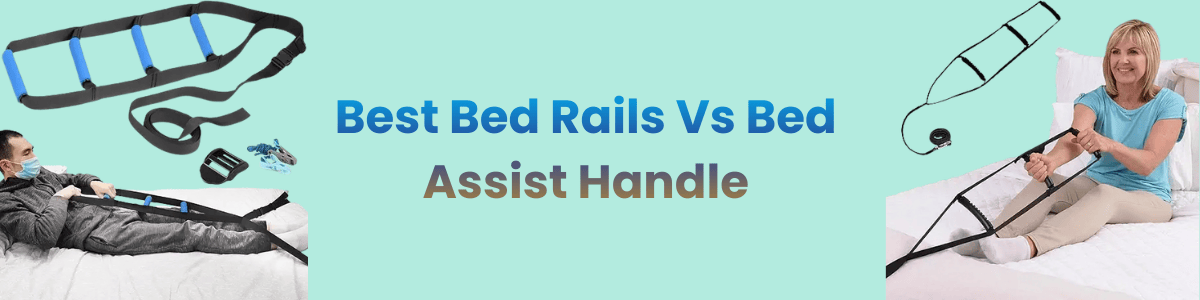
Best Bed Rails Vs Bed Assist Handle
Choosing the right support for getting in and out of bed can make a big difference in daily comfort and safety. For many people—especially seniors, those with limited mobility, or those recovering from surgery—bed rails and bed assist handles are two popular options. But how do you know which one is better for your needs? Understanding the differences, benefits, and potential drawbacks of each will help you make a confident choice that improves safety and peace of mind.
Many first-time buyers focus only on price or the way a product looks. However, small design differences can affect how easy a device is to use, how safe it feels, and whether it fits your bed. This guide will walk you through the key facts about bed rails and bed assist handles, comparing their features, ideal users, installation, safety, and much more.
Whether you’re buying for yourself or a loved one, you’ll find practical advice and insights that go beyond the basics.
What Are Bed Rails And Bed Assist Handles?
Before comparing them, it’s important to clearly understand what each product is.
Bed rails are long, sturdy bars that attach to the side of a bed. They can run partway or the full length of the mattress. Their main job is to stop someone from rolling out of bed by accident. Some have extra features like pockets or adjustable heights.
Bed assist handles are smaller, usually U-shaped bars that attach to the bed frame or slide under the mattress. They offer a stable handhold for standing up or sitting down but do not cover the length of the bed.
While both products aim to improve safety and independence, their designs suit different needs. Let’s dig deeper into the differences.
Key Differences Between Bed Rails And Bed Assist Handles
Understanding the core differences is the first step to making the right choice. Here’s a side-by-side look:
| Bed Rails | Bed Assist Handles | ||
| Length | Partial or full bed length | Short, covers only entry/exit area | ||
| Main Purpose | Prevents falling out of bed | Helps with standing/sitting | ||
| Who Needs It | People with high fall risk | People with mild mobility issues | ||
| Installation | Often requires tools or special fit | Usually tool-free, slides under mattress | ||
| Usually more expensive | Generally less expensive |
Choosing bed rails can bring many benefits, but it’s important to also consider possible downsides.
Advantages
- Strong fall prevention: Because they cover a large area, bed rails are very effective at keeping someone from rolling out of bed.
- Support for turning: People who have trouble turning or shifting in bed can use the rail to push or pull themselves.
- Extra features: Many models include storage pockets or can fold down for easy access.
Disadvantages
- Can feel restrictive: Some users may feel “trapped” or have trouble getting in and out of bed quickly.
- Not for everyone: Bed rails are not safe for people with some types of dementia or confusion, as they may try to climb over and fall.
- Installation can be tricky: Some designs need tools and may not fit all beds.
A little-known fact: In some countries, there are special safety regulations for bed rails in hospitals and care homes due to risks for certain patients. Always check for these standards if you’re buying for medical use.
Pros And Cons Of Bed Assist Handles
Bed assist handles are a popular choice for many homes. Here’s what to keep in mind.
Advantages
- Simple to install: Most handles slide under the mattress and need no tools.
- Encourages independence: They provide a sturdy grip for standing up or sitting down, which can make daily life easier.
- Less intrusive: Handles are smaller and less noticeable than rails, which some users prefer.
Disadvantages
- Limited fall protection: They do not stop someone from rolling off the bed at night.
- May shift if not installed properly: If the mattress is too light, the handle can move. Some handles come with straps for extra safety.
- Not suitable for all beds: Some platform or adjustable beds may not work well with these devices.
Here’s an insight many people miss: The weight of your mattress affects how stable a bed assist handle will be. Thicker, heavier mattresses usually hold the handle more firmly.
When To Choose Bed Rails
Bed rails are usually the best choice in these situations:
- The person has nighttime confusion or moves a lot in sleep.
- There is a high risk of falling out of bed.
- The user needs help turning or re-positioning in bed.
- The bed is used in a care home or hospital setting.
If you choose bed rails, check that they can be locked in place and are the right height for the mattress. Some models offer adjustable lengths, which helps if the user’s needs change over time.
When To Choose Bed Assist Handles
Bed assist handles are best when:
- The main problem is standing up from bed or sitting down.
- The user does not roll around a lot during sleep.
- Space is limited, and you want a low-profile solution.
- You need a product that’s easy to remove or travel with.
A practical example: If you or your loved one can walk safely once standing, but need help getting up, a handle is often safer and less restrictive than a rail.
Safety Considerations: What Beginners Overlook
Many people focus just on the main features and forget about important safety details. Here are two key points beginners often miss:
- Gap size matters: For both rails and handles, check the space between the device and the mattress. Gaps that are too wide can cause a risk of getting stuck, especially for children or smaller adults.
- Regular checks: Over time, screws can loosen, or mattresses may shift. It’s important to check the stability of the device every few weeks.
If you have a thick mattress or mattress topper, make sure the product can adjust to fit. Some rails and handles are too short for modern pillow-top mattresses.
Installation And Maintenance
Installation is an important part of choosing the right product.
Bed Rails
- Most rails use brackets or straps to attach to the bed frame.
- Some require screwing into the frame, which isn’t possible with all bed types.
- Regular cleaning is needed, especially if the rail has fabric or foam padding.
Bed Assist Handles
- Usually, these slide under the mattress and are held in place by the user’s weight.
- Some come with safety straps that wrap around the opposite side of the bed.
- Wipe handles with mild soap and water to keep them clean.
Here’s a quick comparison of installation steps:
| Product Type | Setup Time | Tools Needed | Difficulty |
|---|---|---|---|
| Bed Rails | 20-40 minutes | Sometimes | Medium to Difficult |
| Bed Assist Handle | 5-15 minutes | Rarely | Easy |
Cost And Value
Budget is always a factor, but it’s important to balance cost with safety and ease of use.
- Bed rails often range from $50 to $200, depending on length, material, and extra features.
- Bed assist handles usually cost between $30 and $100.
Insurance or Medicare may cover part of the cost if there is a medical need. Check with your provider before buying.
A non-obvious tip: Sometimes, used equipment stores or senior centers have gently used rails or handles at a big discount. Just be sure to check for missing parts and wear.
Real User Experiences
Hearing from real users can help you understand what to expect.
Maria, age 72: “After my knee surgery, I got a bed assist handle. It’s small, easy to move, and helps me stand up without hurting my knee. I don’t move much at night, so I don’t need a rail.”
George, caring for his wife: “My wife has Parkinson’s and moves a lot in her sleep. We tried a handle, but she rolled over it. The bed rail made a huge difference—she feels safer at night.”
This shows why it’s so important to match the device to the person’s needs, not just choose based on price or looks.
Common Mistakes To Avoid
Many first-time buyers make simple errors that can lead to frustration or unsafe situations:
- Ignoring bed type: Make sure your bed frame and mattress work with the product you choose.
- Not measuring: Always measure your mattress height and width before buying.
- Skipping the instructions: Proper installation is key for both safety and performance.
- Forgetting future needs: If someone’s condition is likely to change, consider adjustable or modular designs.
How To Choose: Key Questions To Ask
Before making a final decision, ask these questions:
- Does the user roll around or fall out of bed at night?
- Is standing up or sitting down the main problem?
- What type of bed and mattress do you have?
- Will the device need to be moved often?
- Who will install and maintain it?
If you’re unsure, speak to a physical therapist or occupational therapist. They can recommend the best option for your situation.
Comparing Top Features
For a clear overview, here’s a quick look at the most important features:
| Feature | Bed Rails | Bed Assist Handles | ||
| Excellent | Poor | ||
| Ease of Use | Good | Excellent | ||
| Portability | Low | High | ||
| Adjustability | Some models | Some models | ||
| High-risk users | Mild-moderate needs |
7 Best Bed Rails vs Bed Assist Handle – Smart Choice
1. Extendable Bed Rail for Wood Adjustable Bed Frames with Removable Bed Handle for Elderly
2. Stable Bed Cane Guard with Extended Handle for Seniors
3.Extended Bed Assist Rail for Seniors with Storage Bag
4. Bed Assist Rails for Seniors and Post-Surgery Patients with Double Non-Slip Handle & Storage Pouch
5. Bedrails for Seniors Slides Under Mattress with Handle Support Guard
7. Extended Bed Assist Rail for Seniors Handle Support Bar with Storage Bag
Frequently Asked Questions
What Is The Main Difference Between A Bed Rail And A Bed Assist Handle?
The main difference is that bed rails are long bars that prevent a person from rolling out of bed, while bed assist handles are short bars designed to help with standing up or sitting down. Bed rails provide more fall protection, while handles are focused on movement support.
Are Bed Rails Safe For People With Dementia?
Bed rails are not always safe for people with dementia or confusion. These users may try to climb over the rail, increasing the risk of injury. It’s important to consult a healthcare professional before choosing bed rails for someone with dementia.
Can Bed Assist Handles Fit All Types Of Beds?
Most bed assist handles work with standard beds but may not fit well on platform beds, adjustable beds, or very thick mattresses. Always check the product’s compatibility and measure your bed before buying.
How Do I Install A Bed Assist Handle?
Most handles slide under the mattress and may use straps for extra safety. Installation usually takes less than 15 minutes and does not require tools. Follow the manufacturer’s instructions closely to ensure stability.
Will Insurance Cover The Cost Of Bed Rails Or Handles?
In some cases, insurance or Medicare may help pay for these products if there is a medical need and a doctor’s recommendation. Contact your insurance provider to learn about coverage options.
Final Thoughts
Both bed rails and bed assist handles offer valuable support for people with different needs. Bed rails are best for people at high risk of falling out of bed or who move a lot during sleep. Bed assist handles are perfect for those who mainly need help standing up or sitting down and want a less bulky, easy-to-install solution.
The most important thing is to match the device to the person’s actual needs and living situation. Don’t rush your choice—think carefully, measure your bed, and consider future changes in mobility. With the right support, you can make getting in and out of bed safer and more comfortable for everyone.