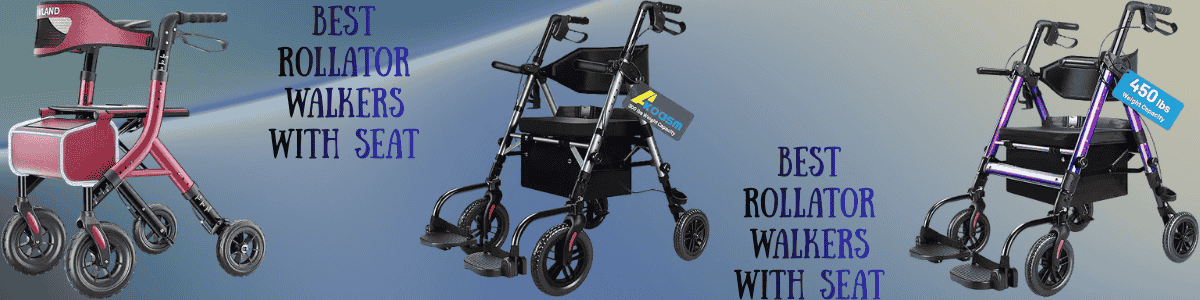
Best Rollator Walkers with Seat
Best Rollator Walkers with Seat – Safe Mobility for Seniors, Disabled & Handicap
Finding the right rollator walker with a seat can make a big difference in daily life. Whether you have limited mobility, need extra support, or want to stay active and safe, choosing the best rollator is a personal journey. There are many models, each with unique features, strengths, and weaknesses.
This guide will help you understand what matters, compare top models, and avoid common mistakes. You’ll learn not only which rollators are the best, but also how to choose one that fits your needs, body, and lifestyle.
What Makes A Rollator Walker With Seat The Best Choice?
A rollator walker with seat is more than just a walking aid. It gives you the freedom to move further, rest when you need, and carry personal items. Unlike basic walkers, rollators have wheels, hand brakes, and a built-in seat. This means you don’t have to find a chair when you get tired. You can stop, sit, and relax anywhere.
Rollators are popular because they offer:
- Greater stability and safety
- Comfortable seating for breaks
- Storage bags or baskets
- Easy mobility indoors and outdoors
But not all rollators are the same. Some are heavy, some are hard to fold, and some are too wide for small spaces. The best rollator is one that matches your body size, strength, and daily routine.
Key Factors To Consider When Choosing A Rollator Walker With Seat
Before you buy, it’s important to look beyond the price tag. Here are the most important things to check:
- Weight capacity: Make sure the rollator can support your body weight.
- Seat height and width: The seat should be comfortable, not too high or low.
- Wheel size: Larger wheels (8 inches or more) roll smoother outdoors.
- Brakes: Good hand brakes improve safety, especially on slopes.
- Foldability: A rollator that folds easily is better for travel and storage.
- Overall weight: Lightweight models are easier to lift but may be less sturdy.
- Adjustable handles: Height-adjustable grips help you walk upright and avoid back pain.
- Storage options: Baskets, bags, or trays add convenience.
- Durability: Solid construction means fewer repairs.
- Price and warranty: More expensive doesn’t always mean better, but check for a good warranty.
One thing many people miss: always measure your doorways and car trunk before buying. Some rollators don’t fit through narrow doors or inside small cars.
Top 9 Best Rollator Walkers With Seat
Let’s look at the most trusted rollator walkers with seats, including their main features and unique strengths. These models are popular with users and recommended by therapists.
1) Rollator Walker with Seat – Stable, Comfortable & Travel Friendly
2) Premium Rollator Walker with Seat – Safe, Stable & Easy to Use
3) Premium Travel Walker – Durable, Adjustable & Easy to Transport
4) Premium All Terrain Walker – Built for Grass, Gravel & Uneven Surfaces
5) HOMLAND Foldable Rollator Walker with Seat – All-Terrain Lightweight Mobility Aid
6) All Terrain Walker with Seat – Comfortable, Foldable & Durable Design
7) Premium Walking Support for Elderly – Strong Grip & Stability
8) Rolling Walker for Mobility Support – Safe, Durable & Ergonomic
9) Best Foldable Rollator Walker for Seniors – Lightweight & Easy to Store
Practical Tips For Choosing The Right Rollator With Seat
Buying a rollator is not just about picking the most popular brand. Here are some practical tips to help you decide:
- Test before buying: If possible, try the rollator in the store. Walk, sit, fold, and carry it. If you shop online, check return policies.
- Check handle height: Your elbows should bend at a comfortable angle (about 15 degrees) when holding the handles.
- Look at seat comfort: Sit on the seat for a few minutes. Is it wide and soft enough? Can your feet touch the ground?
- Consider where you’ll use it: For indoor use, smaller wheels work fine. For outdoor, bigger wheels are better.
- Measure doorways and car space: Some rollators are too wide for narrow doors or too big for small cars.
- Think about accessories: Do you need a basket, tray, or cup holder? Not all models include these.
Common Mistakes To Avoid
Many first-time buyers make mistakes that could be prevented. Here are some of the most frequent:
- Choosing by price alone: Cheaper models often lack durability or comfort.
- Not checking seat height: A seat that’s too high or low can be hard to use.
- Ignoring weight capacity: Overloading a rollator is unsafe.
- Forgetting about size: Wide rollators may not fit through home doors.
- Missing warranty details: Some brands offer only short-term coverage.
- Not considering future needs: If you expect your mobility to change, look for adjustable models.
A non-obvious insight: Think about where you’ll store the rollator at home. If space is tight, a compact or folding model will save you frustration.
How To Use A Rollator Walker With Seat Safely
Safety should always come first. Follow these steps for proper use:
- Adjust handle height before you walk. Your hands should be at wrist level when arms hang down.
- Lock the brakes before sitting or standing up. Never sit unless you’re sure the brakes are on.
- Sit down slowly, backing up until you feel the seat behind your legs, then reach back and sit.
- Do not push the rollator while sitting; it’s not designed for moving while you’re seated.
- Keep items secure in the storage bag. Don’t overload, as this can make the rollator tip.
- Check the brakes and wheels regularly. Worn parts can be unsafe.
Many people overlook regular maintenance. Check your rollator monthly—especially if you use it outdoors—to make sure everything works as it should.
Real-life Examples: Who Benefits Most From A Rollator With Seat?
Rollator walkers with seats are not just for seniors. They help many types of people:
- Stroke survivors who need support and frequent rests during recovery.
- People with arthritis who can’t grip traditional walkers for long.
- Those with heart or lung conditions who tire easily and need a place to sit.
- Active older adults who want to go shopping, walk in parks, or join social events with confidence.
One user, for example, shared that after hip surgery, her Nitro rollator let her join family outings again. She could walk further, rest often, and carry her bag—all without asking for help.
Maintenance Tips For Long-lasting Rollator Walkers
Regular care can help your rollator last years:
- Clean wheels and frame: Wipe with a damp cloth, especially after outdoor use.
- Lubricate moving parts: Use a silicone spray on wheels and brake cables every few months.
- Check screws and bolts: Tighten if loose, especially after folding and unfolding.
- Replace worn parts: Order new wheels or grips as needed.
- Store indoors: Keep your rollator dry to prevent rust.
Frequently Asked Questions
How Do I Know What Size Rollator I Need?
Choose a rollator based on your height, weight, and comfort. Stand straight and measure the distance from your wrist to the floor—this is the handle height you need. Also, check seat width and weight capacity.
Can I Use A Rollator Walker With Seat Outdoors?
Yes, especially models with 8-inch or larger wheels. These rollators roll smoothly over sidewalks, grass, and gravel. Always lock the brakes before sitting outdoors.
Are Rollator Walkers With Seats Covered By Insurance?
Many insurance plans, including Medicare, may cover rollators with a doctor’s prescription. Check with your provider and keep all receipts.
What’s The Difference Between A Rollator And A Walker?
A rollator has wheels, hand brakes, and a seat. A walker usually has four legs and no wheels or seat. Rollators are easier for longer walks and resting.
How Much Weight Can A Rollator Hold?
Most standard rollators hold 250 to 300 pounds. Heavy-duty or bariatric models can support more—always check the label before buying.
Choosing the right rollator walker with seat is an investment in your freedom and safety. Spend time thinking about what you need, try models if you can, and don’t rush the decision. The right rollator will help you stay active, independent, and confident wherever you go.