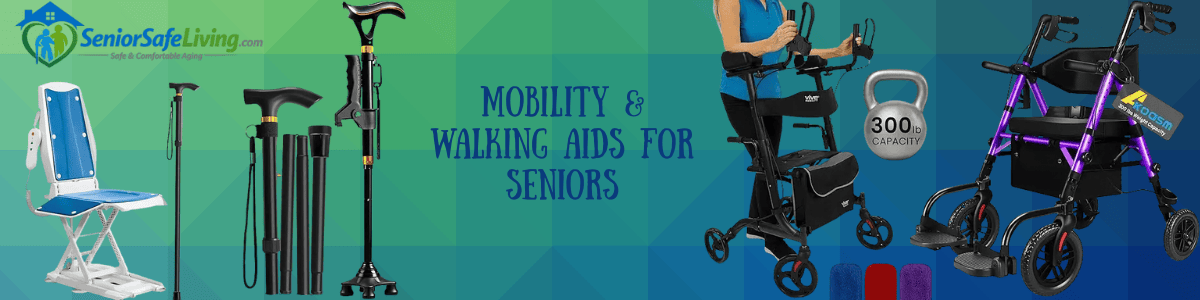


Mobility & Walking Aids
Mobility is a key part of living a full and independent life. For millions of people around the world, walking is not always easy. Injury, illness, aging, or disability can make moving around a challenge. This is where mobility and walking aids come in. These helpful tools give people back their freedom, reduce pain, and make everyday life safer.
If you are new to mobility aids, you may feel overwhelmed by the choices. There are many types, from simple canes to advanced electric scooters. Some are small and portable, while others are sturdy and have many features. Making the right choice is important.
The wrong device can make walking harder, cause falls, or even lead to more injuries.
This guide will help you understand the different types of mobility aids. You will learn what each one does, who they are for, and how they can help. You will also see some common mistakes people make when choosing. With the right information, you or your loved one can feel more confident and safe every day.
What Are Mobility & Walking Aids?
Mobility aids are devices that help people move from one place to another. They can support walking, reduce the risk of falling, or help with balance. Some are for people who can walk but need extra support. Others are for people who cannot walk at all.
The main types include:
- Canes
- Crutches
- Walkers
- Rollators
- Wheelchairs
- Mobility scooters
There are also many accessories and special devices. The right aid depends on your needs, body strength, and daily routine.
Who Needs Mobility Aids?
Not everyone with a walking problem needs the same device. Some common reasons people use mobility aids include:
- Arthritis or joint pain
- Stroke recovery
- Balance problems
- Broken bones or leg injuries
- Muscle weakness
- Neurological conditions (like Parkinson’s or MS)
- Old age
Sometimes, people use aids for a short time, such as after surgery. Others need them for life. Always talk to a healthcare provider before choosing a device.
Main Types Of Mobility & Walking Aids
Each type of mobility aid has its own purpose and benefits. Here’s a closer look at the most common kinds.
Canes
A cane is one of the simplest aids. It helps with balance and takes some weight off the legs. There are different types:
- Standard Canes: A single tip, used mostly for mild balance problems.
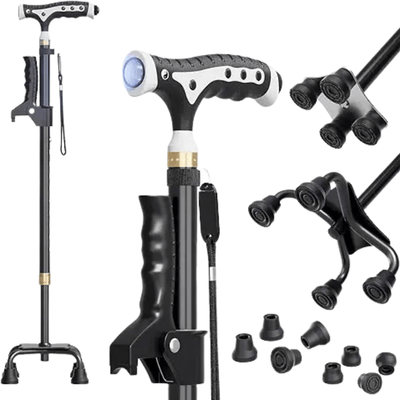
- Quad Canes: Four small legs at the bottom. They give more support and stand by themselves.
- Folding Canes: Easy to carry and store.
Canes are best for people who have one weak leg or need a little extra help. They are not for people who have trouble with both legs or who cannot stand well.
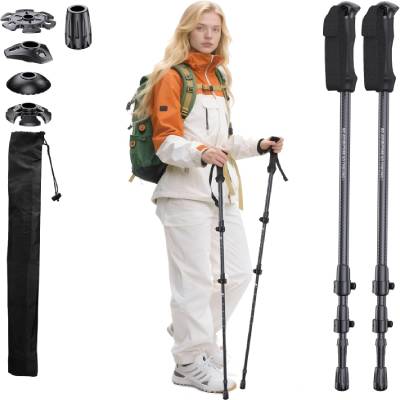
Non-obvious insight: The height of your cane is very important. If it’s too high or too low, you can hurt your back and shoulders. Make sure your elbow bends about 15–20 degrees when holding the cane.
Crutches
Crutches are for people who cannot put weight on one leg. They are often used after injuries or surgeries. There are two main types:
- Underarm Crutches: Fit under the armpits. Used for short-term support.
- Forearm (Lofstrand) Crutches: Have cuffs that fit around the forearms. Used for long-term needs and for people with strong arms.
Crutches require good arm and upper body strength. Poor use can cause sore hands, wrists, or even nerve damage under the arms.
Beginner tip: Always keep your weight on your hands, not your armpits. This prevents nerve injury.
Walkers
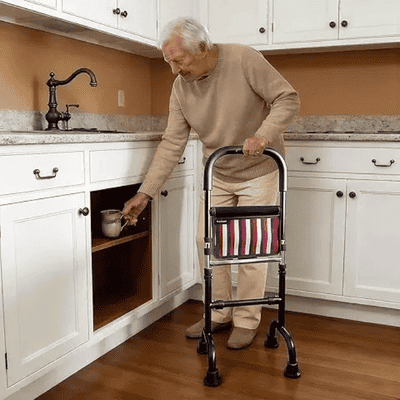
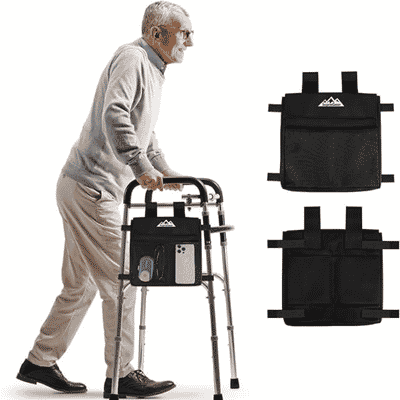
A walker is a frame that you hold with both hands. It gives a lot of support. Walkers are good for people with weak legs, poor balance, or who tire easily.
Types of walkers include:
- Standard Walkers: No wheels. Must be lifted with each step. Very stable.
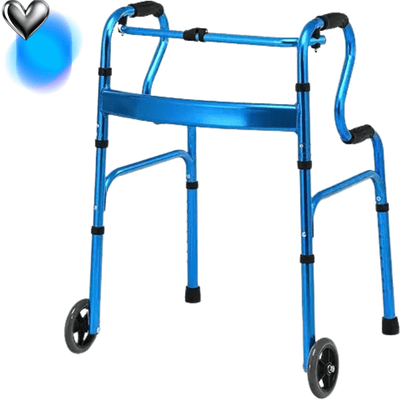
- Two-Wheeled Walkers: Small wheels in front. Easier to move but still offers support.
- Three-Wheeled Walkers: Shaped like a triangle. More mobile, but less stable.
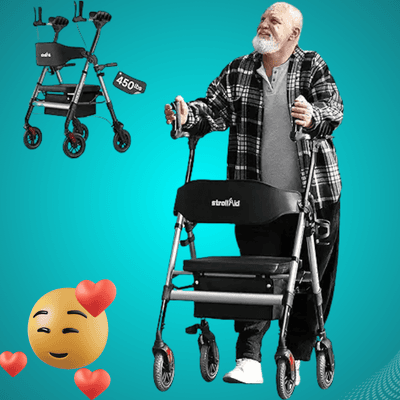
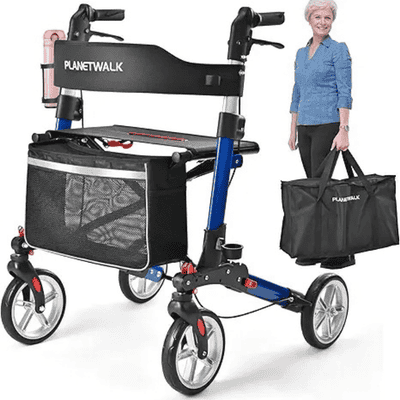
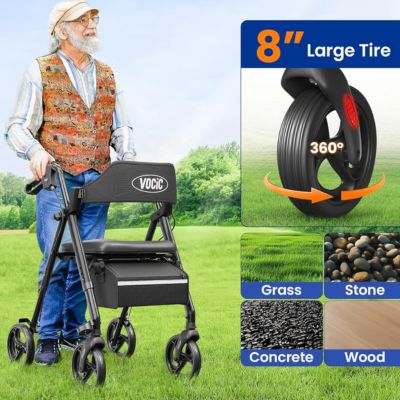
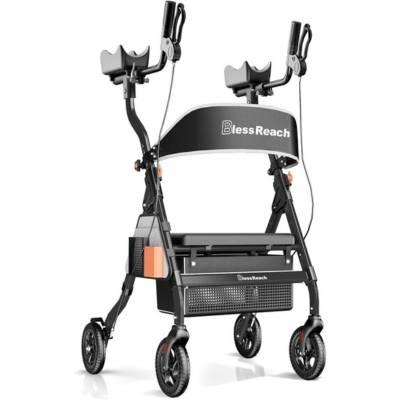
- Four-Wheeled Walkers (Rollators): Have seats, brakes, and baskets. Good for people who can walk but need to rest often.
Walkers are often used by older adults or people recovering from surgery.
Pro insight: Make sure your walker is not too wide for your home’s doorways. Many people forget to measure before buying.
Rollators
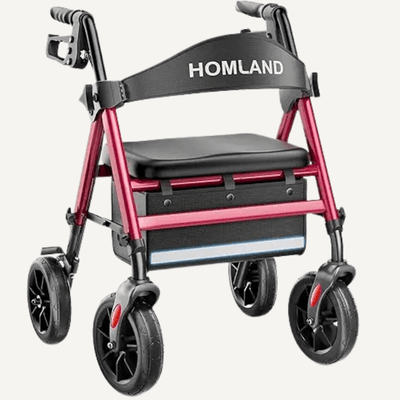
Rollators are advanced walkers with four wheels. They are easy to push and have brakes, seats, and bags for storage. Rollators are great for people who walk slower, need to rest often, or want to carry things hands-free.
Rollators are less stable on uneven ground or ramps. They work best indoors or on flat surfaces.
Extra tip: Always lock the brakes before sitting on the rollator’s seat.
Wheelchairs
A wheelchair is for people who cannot walk at all or only for short distances. Wheelchairs can be manual (pushed by hand) or powered (with a battery).
- Manual Wheelchairs: You move these with your arms or someone pushes you. They are light and easy to transport.
- Powered Wheelchairs: Use a motor and joystick. Best for people who cannot use their arms well.
Wheelchairs can be basic or have features like tilt, recline, and leg rests. Some are for sports or outdoor use.
Beginner’s mistake: Not all wheelchairs fit in all cars. Check the weight and size before buying.
Mobility Scooters
Mobility scooters are electric vehicles with three or four wheels. They are used by people who have trouble walking long distances but can still sit upright. Scooters are great for shopping, parks, or outings.
Scooters are bigger than wheelchairs and need more space. They are not for people who cannot control their arms or who have poor posture.
Non-obvious point: Many scooters need to be charged for 6–8 hours. Plan your outings so you don’t run out of power.
Other Walking Aids
There are many other aids to help with walking and safety. Some examples:
- Knee walkers: For people with foot or ankle injuries. You kneel on a soft pad and push with your good leg.
- Gait trainers: Special walkers for children or adults with severe movement problems.
- Transfer boards: Help people move safely from bed to wheelchair.
- Standing frames: Help people stand up for short periods.
These aids are usually chosen with help from a physical therapist.
How To Choose The Right Mobility Aid
Choosing the right aid is not just about comfort. Safety, independence, and lifestyle all matter. Here are steps to make a good choice:
- Talk to a doctor or therapist. They can test your strength, balance, and walking style.
- Think about where you will use it. Indoors, outdoors, on stairs, or rough ground?
- Check the size and weight. Will it fit in your car, or through your doorways?
- Try before you buy. Many shops let you test devices.
- Ask about maintenance. Some aids need repairs or new parts.
Common mistake: Many people choose a device that is too advanced or too simple for their needs. This can make walking more dangerous.
Key Features To Consider
When picking a mobility aid, look for these features:
- Adjustable height: Makes the device fit your body.
- Non-slip tips: Prevents falls, especially on wet floors.
- Brakes: For rollators and scooters.
- Foldability: Helps with transport and storage.
- Weight: Lighter is not always better—sturdiness matters.
- Comfort grips: Reduces hand pain.
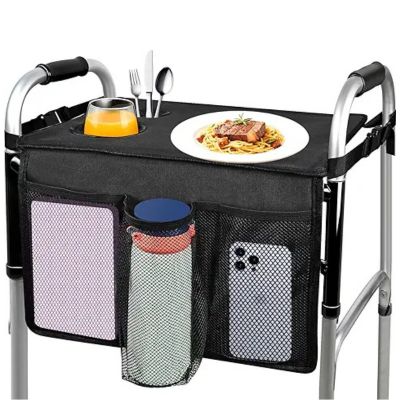
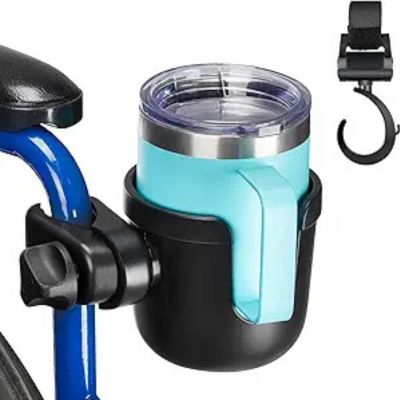
You may also want extras like baskets, cup holders, or lights for safety.
Costs And Insurance
Mobility aids range widely in price. A simple cane may cost $15–$30, while a power wheelchair can cost thousands. Insurance or Medicare may cover some or all of the cost if you have a prescription.
Non-obvious insight: Always ask about warranties and repair services. Cheaper devices may cost more in the long run if they break easily.
Safety Tips For Using Mobility Aids
Using an aid safely is just as important as picking the right one.
- Keep floors clear. Rugs, cords, and clutter cause many falls.
- Wear shoes with good grip. Slippers or sandals can slip easily.
- Practice on stairs. Some aids are not safe for stairs—ask your therapist.
- Regularly check for wear. Replace worn tips, wheels, or brakes.
- Do not rush. Hurrying increases the risk of falls.
Real-life Stories
Hearing from real users can help you see the benefits and challenges.
Maria’s Story: Maria, age 72, started using a quad cane after a mild stroke. At first, she was embarrassed. But after a few weeks, she felt more confident and started going outside again. She says, “Now, I can walk to the market by myself. The cane gave me my life back.”
Tom’s Experience: After breaking his ankle, Tom used crutches for six weeks. He noticed that his hands got sore. His physical therapist showed him how to use padded covers, which made things much better.
Insight: Many users feel awkward at first. With practice, most people adjust and feel safer.
Technological Advances In Mobility Aids
Technology is changing the world of mobility aids. Some new developments include:
- Smart canes: Use sensors to warn about obstacles.
- GPS-enabled scooters: Help users find their way or call for help.
- Robotic exoskeletons: Help people with spinal cord injuries to stand and walk.
These innovations make life easier and safer, but they may cost more. Always check if new features are truly helpful for your needs.
Working with a pediatric therapist ensures the best fit and safety.
Caring For Your Mobility Aid
Aids need regular care to keep working well.
- Clean often. Wipe handles and seats with a mild cleaner.
- Check moving parts. Lubricate wheels and brakes if needed.
- Inspect for damage. Look for cracks, loose screws, or worn pads.
- Store safely. Keep devices dry to prevent rust.
If you notice any problems, fix them quickly. A broken aid is a danger.
Psychological And Social Benefits
Mobility aids do more than help with walking. They also improve mental health. People who use aids often feel:
- More independent
- Less isolated
- Safer and more confident
Some people worry that using a device makes them look old or weak. In truth, using the right aid shows strength and smart decision-making.
Hidden benefit: Many users make new friends at walking groups or physical therapy, building a sense of community.
Myths About Mobility Aids
There are many myths that stop people from using these helpful tools. Let’s clear up a few:
- “Using a cane means I am old.” Not true—many young people use aids after injuries or surgeries.
- “I will get weaker if I use a walker.” Actually, the right aid helps you stay active and can prevent falls.
- “Wheelchairs are only for people who cannot walk at all.” Many people use wheelchairs for long distances but walk at home.
Don’t let myths stop you from staying safe and independent.
How To Adjust To Using A Mobility Aid
The first days with a new aid can be hard. Here are tips for a smoother transition:
- Practice at home. Start with short walks in a safe place.
- Go slow. Build confidence before going outside.
- Ask for training. Therapists can teach safe use and turning.
- Join a support group. Many people feel better when they share experiences.
Remember, it’s normal to feel unsure at first. With practice, using your aid will become second nature.
Mobility Aids And Travel
Traveling with a mobility aid takes planning.
- Airports and trains: Most offer wheelchair assistance. Call ahead.
- Hotels: Ask for accessible rooms.
- Buses and taxis: Many have ramps or lifts.
- Cruises and tours: Check for accessible routes and bathrooms.
Pro tip: Always bring a charger for electric devices and a repair kit for manual aids.
Environmental Adaptations
Sometimes, small changes at home can make life much easier:
- Install grab bars in bathrooms.
- Add ramps at steps or doorways.
- Use non-slip mats in showers.
- Widen doorways if needed.
These changes help prevent accidents and make moving around smoother.
Resources For More Help (Best Mobility & Walking Aids For Seniors)
2) Best Rollator Walkers with Seat
3) Best Walking Canes for Elderly
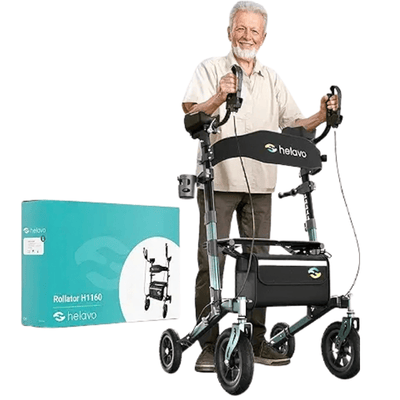
4) Best Upright Walkers for Seniors with Back Support
5) Heavy-Duty Walkers for Bariatric Seniors
6) Lightweight Foldable Walkers for Travel
7) Best Quad Canes for Extra Stability
8) Walker vs Rollator Comparison Guide
Frequently Asked Questions
How Do I Know Which Mobility Aid Is Right For Me?
The best way is to talk to a doctor or physical therapist. They can test your walking, balance, and strength. They will suggest the device that matches your needs and lifestyle.
Does Insurance Cover The Cost Of Mobility Aids?
Many health insurance plans, including Medicare in the US, cover some or all of the cost if you have a prescription. Check with your provider for details and ask about what paperwork is needed.
Can I Use More Than One Mobility Aid?
Yes. Some people use a cane at home and a wheelchair for long trips. Your needs may change over time, and it is okay to switch between devices as needed.
How Do I Maintain My Mobility Aid?
Keep your device clean, check for loose parts, and replace worn tips or wheels. Follow the instructions from the manufacturer and ask your supplier about repair services.
Are There Mobility Aids For People With Heavy Weight?
Yes. There are “bariatric” aids designed for higher weight limits. These are stronger and wider but still safe and comfortable. Ask for these if you need extra support.
Mobility and walking aids can change lives. With the right device and good advice, you can move safely, stay active, and enjoy more freedom. Every step matters—choose your aid with care and live life to the fullest.