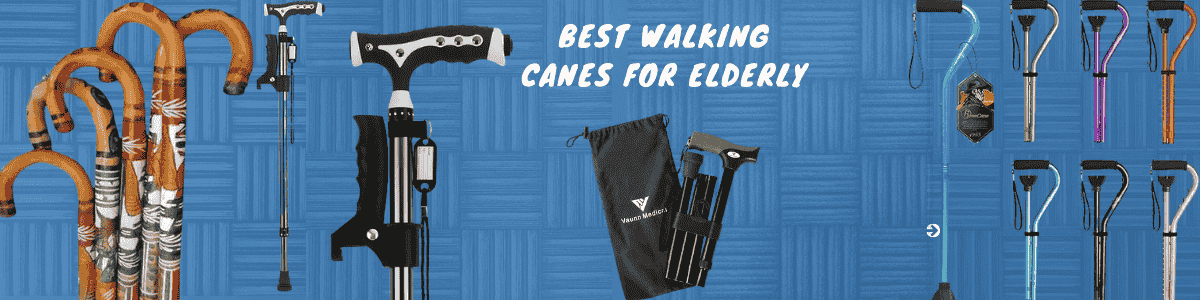
Best Walking Canes for Elderly
Finding the right walking cane can make a huge difference for elderly people. It is not just about support. A good cane brings freedom, safety, and confidence with every step. But with so many options, styles, and features, choosing the best walking cane can be confusing.
Many seniors, and even their families, are not sure what to look for. This guide will help you understand everything about walking canes for the elderly, from the top models to features that truly matter, and tips that most beginners never hear about.
Let’s make your next step a safer one.
Why Walking Canes Matter For The Elderly
Walking canes are more than simple sticks—they are tools for independence. As we age, balance and strength can decline, making falls more likely. About one in four Americans aged 65+ falls each year, according to the CDC. Many falls happen at home, often because of poor balance or weak legs. The right cane can help prevent these accidents.
A cane offers:
- Stability during walking
- Support when standing up or sitting down
- Confidence to move around freely
- Pain relief by taking pressure off sore joints
But, not all canes are equal. Some provide more balance, others are lighter, and some fold for travel. It’s important to match the cane to the user’s needs.
Types Of Walking Canes
There are several styles of canes, each with unique advantages. Understanding them helps you choose wisely.
Standard (single-point) Canes
These are the most common. They have a single tip and are lightweight. They work well for people who need a little balance help but have good strength.
Quad Canes
Quad canes have four tips at the bottom. This design offers extra stability, making them ideal for those with poor balance or a higher risk of falling. However, they can be a bit heavier and may get caught on uneven ground.
Folding Canes
Perfect for travel or storage, these canes can be folded up when not in use. They’re usually lighter, but may not feel as solid as a standard or quad cane.
Offset Canes
These canes have a handle that bends forward. The offset design helps distribute weight more evenly over the cane, making it comfortable for people with arthritis or weak wrists.
Seat Canes
Seat canes are unique—they double as a cane and a portable seat. These are good for people who tire easily and need to sit down often.
Forearm Canes
Sometimes called European-style canes, these have a cuff that wraps around the forearm. They give more support than standard canes and are a good step between a cane and a walker.
Key Features To Consider When Choosing A Cane
When picking a cane, focus on these important features:
- Height Adjustability: The cane should be adjustable so the user’s elbow is slightly bent when holding it. This prevents strain on the shoulder and wrist.
- Grip Comfort: Handles come in foam, rubber, or wood. Choose one that feels good in the hand and doesn’t slip.
- Tip Type: Rubber tips grip the floor better. Some tips are shock-absorbing or have wider bases for more stability.
- Weight Capacity: Make sure the cane can support the user’s weight. Most canes hold up to 250-300 pounds, but check the label.
- Material: Aluminum is light and rust-proof. Wood feels natural but can be heavier. Carbon fiber canes are the lightest and strongest, but more expensive.
- Portability: If the cane needs to travel, choose a folding or collapsible model.
- Style and Color: Some seniors feel more confident with a cane that looks good. Many brands offer stylish colors and patterns.
The 12 Best Walking Canes For Elderly People
After research and real-world feedback, here are the best walking canes for seniors, covering different needs and budgets.
1) Carbon Fiber Walking Cane for Elderly Men & Women
2) Foldable Walking Stick for Stability and Style for Seniors & Adults
3) Cane for seniors (Carbon Fiber), Soft Grip, Adjustable Height, Lightweight
4) Balancing Mobility Aids for Seniors With Ergonomic Handle & Wrist Strap - Sen Wood
5) Switch Sticks Folding Walking Cane For Women & Men
6) All Terrain, Collapsible Walking Sticks for Seniors
7) Walking Cane with LED Light, Foldable,Adjustable, Self Standing
8) Folding Canes with Seat Allows Durability While Walking and Convenience for Sitting
9) Foldable Walking Stick for Stability and Style for Seniors
10) Smart Alarm Foldable Cane with Light for Seniors USB Direct Charging, Lightweight and Portable
11) Lightweight Walking Stick for Seniors with 1 Extra Replacement Cane Tip
12) Adjustable Walking Aid with a Non-Slip Tip for Seniors
How To Properly Measure And Adjust A Cane
A cane that is too short or too tall can cause pain and even falls. Here’s how to ensure a good fit:
- Wear regular shoes and stand up straight.
- Let your arms hang naturally at your sides.
- The top of the cane should reach the crease of your wrist.
- When holding the cane, your elbow should bend at about 15–20 degrees.
Many beginners set their cane too high, which leads to shoulder pain. Always double-check the height, especially after changing shoes or flooring.
Mistakes To Avoid When Choosing A Cane
Most seniors and caregivers make at least one of these mistakes:
- Ignoring weight limits: Using a cane that can’t support your weight is dangerous.
- Choosing the wrong tip: Small tips can slip on wet floors. Wide or quad tips work better for those with poor balance.
- Skipping the grip test: Handles that are too hard or small cause blisters. Always test in hand if possible.
- Buying for looks only: Style is nice, but comfort and safety matter more.
- Not consulting a doctor or therapist: Professionals can recommend the best type based on your health and mobility.
Caring For Your Cane
A well-maintained cane lasts longer and keeps you safer. Here’s how to care for it:
- Check the tip often. If it looks worn or slippery, replace it. Most tips are affordable and easy to find.
- Tighten screws and adjustments monthly. Loose parts can make the cane unstable.
- Clean the handle and shaft with mild soap. This prevents germs and keeps the grip sticky.
- Store properly. Don’t leave wooden canes in damp places—they can warp.
- Inspect folding joints for wear if you have a collapsible cane.
When To Use A Cane Instead Of A Walker
Many seniors wonder if a cane is enough or if they need a walker. Canes are best for people who:
- Need light to moderate balance support
- Can walk alone but feel unsteady sometimes
- Need help standing up or sitting down
A walker is better for those who:
- Have severe balance problems
- Can’t put much weight on one or both legs
- Tire very quickly when walking
A good rule: If you need to lean heavily or often lose balance, ask your doctor if a walker is safer. For most seniors, a cane gives enough support and is easier to use.
Real-world Stories: How The Right Cane Changed Lives
Mrs. Thompson, age 78, struggled after a hip replacement. Her daughter bought her a quad cane. Within days, Mrs. Thompson felt brave enough to shop alone again. The cane’s wide base stopped her from wobbling, and the soft handle meant no blisters.
Mr. Lee, 83, has arthritis in his hands. He hated his old wooden cane, which felt rough. Switching to a foam-grip offset cane eased his pain and made long walks enjoyable again.
These stories are common. The right cane can mean the difference between staying home and living fully.
Practical Tips For Walking With A Cane
Even the best cane won’t help if used incorrectly. Here are practical tips:
- Hold the cane on your strong side. If your right leg is weak, hold the cane in your left hand.
- Move the cane and your weak leg together. This keeps your balance centered.
- Go slow on stairs. Going up, lead with your good leg; going down, lead with the cane and weak leg.
- Keep your eyes forward, not on your feet, to avoid tripping.
- Replace the tip every 6–12 months, depending on use.
A non-obvious insight: Many seniors use the cane in the wrong hand. Switch hands if you feel off-balance or if your wrist or shoulder hurts.
Where To Buy Quality Walking Canes
You can find canes at medical supply stores, pharmacies, and online. Buying in-store lets you test the handle and height. Online stores offer more choices and better prices.
Look for trusted brands. Avoid very cheap canes—they may break easily. If unsure, ask your doctor or physical therapist for recommendations.
Frequently Asked Questions
What Is The Safest Walking Cane For Elderly People?
The safest cane depends on the person’s needs. Quad canes offer the most stability, especially for those with balance problems. Brands like Hugo Mobility and RMS make reliable quad canes with sturdy bases.
How Do I Know What Height My Cane Should Be?
Stand up straight with shoes on. The cane’s handle should reach the crease of your wrist when your arm is at your side. Your elbow should bend slightly (15–20 degrees) when holding the cane.
Are Folding Canes Strong Enough For Daily Use?
Good-quality folding canes, like the Vive Folding Cane or HurryCane, are strong enough for regular use. Check the weight limit and locking mechanism. Avoid very cheap models, as they can be less stable.
Should A Cane Be Used On The Weak Or Strong Side?
Always use the cane on your stronger side. Move the cane and your weaker leg together when walking. This helps with balance and support.
Can I Get A Walking Cane Covered By Insurance Or Medicare?
Many insurance plans and Medicare cover basic canes with a doctor’s prescription. However, special features or stylish models may not be fully covered. Check with your provider for details.
---
Choosing the right walking cane is about much more than just picking a stick. It’s about safety, independence, and living life without fear of falling. Remember to focus on fit, comfort, and real stability—not just looks or price. Try different styles, ask for help if needed, and always put safety first.
With the right cane, every step can feel more secure and confident.