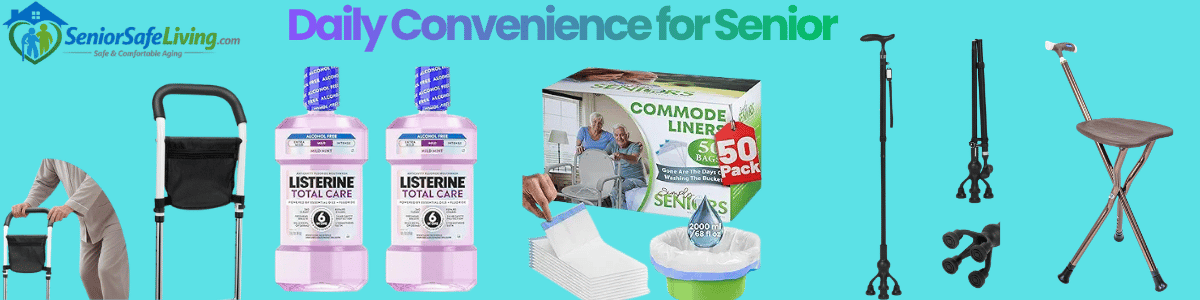
Daily Convenience for Senio
Daily Convenience for Senior: Simple Ways to Make Everyday Life Easier, Safer and More Comfortable
Daily Convenience for Senior living means simplifying everyday tasks so older adults can move, shop, eat, rest, manage health needs and enjoy routines with less stress. The right mix of home organization, nearby services, comfort products, convenient care and senior-friendly habits can support independence without making life feel complicated.
Why Daily Convenience for Senior Living Matters
Daily convenience is not about laziness. For seniors, it is about energy, safety, comfort and independence. A task that once felt simple may now take more effort. Carrying groceries, standing in line, cooking dinner, remembering medication or driving across town can feel more tiring than it used to.
Small frustrations add up. A cabinet that is too high, a chair that is too low, a store that is hard to park near or a meal that takes too long to prepare can make the day feel heavier. When daily tasks become harder, seniors may avoid them. That can reduce activity, confidence and enjoyment.
Good convenience planning helps seniors keep control of their day. It removes unnecessary strain and keeps important routines within reach.
Daily convenience can support:
- More independence with fewer daily obstacles
- Better safety at home, in stores and while traveling
- Less fatigue from repeated small tasks
- More confidence when shopping, cooking and moving
- Better health routines with easier medication and care access
- More comfort during sitting, driving and resting
- Less caregiver stress through simpler systems
The goal is not to do everything for the senior. The goal is to make everyday life easier to manage. Convenience should protect dignity, not take it away.
Daily Convenience for Senior Home Routines
The home is the first place to improve convenience. Most seniors spend much of their day moving between the bedroom, bathroom, kitchen, favorite chair and entryway. If these spaces are arranged poorly, simple tasks become tiring.
Keep Everyday Items Within Easy Reach
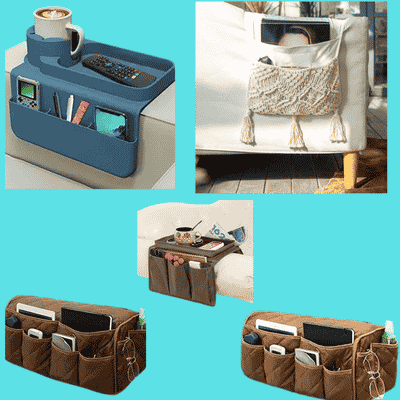
Items used every day should not require stretching, climbing or deep bending. Keep glasses, medication, tissues, water bottles, remote controls, phone chargers and reading materials where the senior naturally sits or stands.
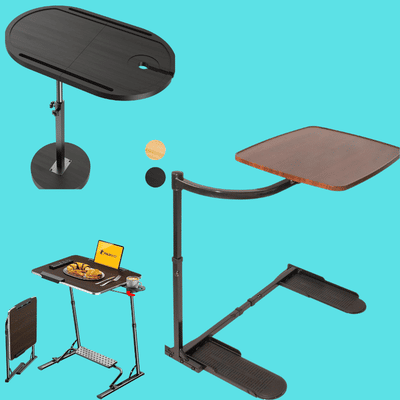
A small side table near a favorite chair can hold:
- Water
- Medication reminder box
- Reading glasses
- Phone
- TV remote
- Notebook and pen
- Small snack
- Emergency contact list
Simplify Morning and Evening Routines
A repeatable routine lowers stress. Seniors should not have to search for basic items every morning. Clothes, toiletries, walking aids and daily essentials should have a consistent place.
Use Labels and Clear Storage
Clear containers and large labels help seniors find items quickly. This is especially helpful in kitchens, medicine cabinets, closets and laundry areas.
Reduce Clutter in Walking Paths
Convenience and safety go together. A cluttered hallway or crowded room makes movement harder. Keep pathways clear and remove loose rugs that may cause trips.
Create “Stations” Around the Home
A station is a small organized area for one task. For example:
- Tea station: mug, tea bags, sweetener and kettle nearby
- Medication station: pill organizer, water and schedule
- Reading station: lamp, glasses, book and cushion
- Entry station: keys, shoes, bag, umbrella and cane
These stations reduce unnecessary walking and searching.
Kitchen Convenience Tips for Seniors
The kitchen can be one of the most rewarding rooms, but also one of the most tiring. Cooking requires standing, reaching, lifting, cutting, opening, cleaning and remembering steps. Convenience makes meals easier without removing the joy of eating well.
Choose Easy Meal Building Blocks
Seniors do not need complicated meals every day. A convenient kitchen should include simple building blocks:
- Pre-washed vegetables
- Frozen fruit
- Microwaveable rice or grains
- Canned beans or fish
- Greek yogurt
- Eggs
- Soup cups or low-sodium soups
- Pre-cooked chicken or lean protein
These items make it easier to prepare a balanced meal without long cooking time.
Use Lightweight Cookware
Heavy pans can strain wrists, shoulders and backs. Lightweight cookware with easy-grip handles can make cooking safer and more enjoyable.
Keep Frequently Used Items at Waist Level
Store daily dishes, cups, snacks and cooking tools between shoulder and knee height. Avoid high shelves for anything used often.
Use Easy-Open Tools
Jar openers, electric can openers and large-grip utensils can make a big difference for seniors with arthritis or weak grip.
Prepare Once, Eat Twice
Cooking extra portions can reduce effort later. A senior can cook soup, rice, pasta or vegetables once and use them for two meals.
Make Hydration Convenient
Keep water within reach in multiple rooms. Seniors may drink less if getting water feels like a task. A lightweight bottle near the bed, chair and kitchen can help.
Shopping Convenience: Grocery Trips, Delivery and Local Stores
Shopping is a major part of daily convenience. It can also be one of the most exhausting tasks for seniors. Parking, walking, reaching shelves, reading labels, standing in line and carrying bags all require energy.
Use Smaller, More Frequent Trips
Large shopping trips can be tiring. Smaller trips may be easier, especially when the store is nearby and easy to navigate.
Shop During Quiet Hours
Early morning or mid-afternoon may be less crowded. Shorter lines and quieter aisles can make shopping feel less stressful.
Use Grocery Delivery When Needed
Delivery can be helpful for heavy items like water, detergent, pet food or bulk groceries. Seniors can still visit stores for fresh produce or social connection when they feel able.
Keep a Running Shopping List
A list on the fridge or phone prevents forgotten items. Caregivers can check it before visits.
Choose Senior-Friendly Stores
A senior-friendly store should have:
- Easy parking
- Good lighting
- Clean aisles
- Helpful staff
- Accessible restrooms if possible
- Clear signs
- Small carts or baskets
- Quick checkout options
The closest store is not always the most convenient. The best store is the one that feels easy, safe and predictable.
Twice Daily Convenience Stores for Senior Quick Stops
Some readers search for twice daily convenience stores for Senior or twice daily convenience store for Seniors because they want quick access to food, drinks, fuel or everyday essentials. Twice Daily is a convenience store brand with locations across Tennessee and beyond, offering fresh food, snacks, bakery items, coffee, drinks, fuel and online ordering options. :contentReference[oaicite:0]{index=0}
For seniors, a convenience store can be useful when it saves time and reduces effort. A quick stop may be easier than walking through a large supermarket, especially for a drink, snack, prepared food or fuel.
When Convenience Stores Help Seniors
- Picking up a quick lunch
- Buying water or coffee
- Fueling the car
- Getting a snack before an appointment
- Stopping during a road trip
- Finding a nearby ATM or restroom where available
- Avoiding a large grocery store for one or two items
What Seniors Should Look For
Not every convenience store is equally comfortable. Seniors should choose locations with easy parking, bright lighting, clear aisles, friendly staff and safe entryways.
Plan the Stop Before Leaving Home
A planned quick stop is safer than a rushed one. Seniors can check the location, opening hours, fuel availability and food options before heading out.
Use Convenience Without Overusing Processed Snacks
Convenience stores are helpful, but daily nutrition still matters. Seniors can look for better options when available, such as water, fruit, yogurt, sandwiches, nuts or lighter prepared meals.
CSP Daily News Top 202 Convenience Stores 2026 for Seniors: Why Store Access Matters
The phrase csp daily news top 202 convenience stores 2026 for Seniors points to a broader trend: convenience retail is a major part of everyday life. CSP Daily News currently highlights its Top 202 Convenience Stores 2025 resource and industry coverage, while also reporting 2026 convenience-store chain updates. :contentReference[oaicite:1]{index=1}
For seniors, this matters because convenience stores are no longer only about gas and snacks. Many locations now compete on fresh food, coffee, clean facilities, loyalty programs, mobile ordering and quick access. That can make them useful in senior routines when chosen carefully.
What Convenience Retail Trends Mean for Seniors
Modern convenience stores often focus on speed and accessibility. Seniors may benefit when stores offer:
- Prepared meals
- Fresh coffee
- Clean restrooms
- Good lighting
- Easy fuel pumps
- Mobile ordering
- Clear store layouts
- Friendly service
Choose Practical Over Popular
A store ranking may be interesting, but the best store for a senior is the one that works for their daily life. A smaller local store with easy parking may be better than a larger, busier location.
Caregiver Tip
Caregivers can identify two or three reliable nearby stores for the senior. Save addresses and phone numbers, check safe parking, and visit together once before the senior goes alone.
Daily Green Family Health & Convenient Care for Seniors
Some searches include daily green family health & convenient care for Seniors. Daily Green Family Health & Convenient Care is listed as a family nurse practitioner provider in Orange, Texas, with public directory listings showing its location and contact details. :contentReference[oaicite:2]{index=2}
For seniors, the larger lesson is important: convenient health care access can make routine care easier. A nearby clinic, family practice, urgent care or nurse practitioner office may help seniors manage minor concerns, checkups and follow-up needs without traveling far.
Why Convenient Care Matters
When care is hard to access, seniors may delay it. They may ignore symptoms, skip follow-ups or avoid asking questions. A convenient care option can reduce that barrier.
Useful Convenient Care Services May Include
- Basic health checks
- Medication questions
- Minor illness visits
- Follow-up care
- Blood pressure checks
- Routine lab coordination where available
- Referrals when needed
Keep Health Information Ready
Seniors should keep a simple health folder with:
- Medication list
- Allergies
- Doctor names
- Emergency contacts
- Insurance information
- Recent diagnoses
- Preferred pharmacy
This makes any convenient care visit smoother and safer.
Orthopedic Seat Cushions and Daily Convenience for Seniors
The sub-keyword orthopedic seat cushions fits naturally into daily convenience because sitting comfort affects almost every part of senior life. A senior may sit while eating, reading, traveling, watching TV, waiting at appointments or visiting family.
If sitting hurts, the day becomes harder. A good seat cushion can reduce pressure, improve comfort and make regular chairs easier to use.
Where Orthopedic Seat Cushions Help
- Dining chairs
- Car seats
- Wheelchairs
- Office chairs
- Recliners
- Waiting room chairs
- Church or community seating
What to Look For
A senior-friendly cushion should be stable, non-slip, supportive and not too high. It should make standing easier, not harder.
Comfort Is Convenience
Convenience is not only about saving time. It is also about reducing unnecessary discomfort. When a senior can sit comfortably, they may enjoy meals longer, travel easier and participate more in family activities.
Medication and Health Routine Convenience
Medication management is one of the most important daily convenience systems for seniors. Missed doses, double doses or confusion can create real problems.
Use a Pill Organizer
A weekly pill organizer with large labels can reduce confusion. Some seniors prefer morning and evening compartments.
Set Reminders
Reminders can come from:
- Phone alarms
- Smart speakers
- Medication reminder apps
- Caregiver calls
- Written schedules
- Clock-based routines
Link Medication to Existing Habits
Medication is easier to remember when connected to a daily habit, such as breakfast, brushing teeth or evening tea. Always follow medical instructions on timing and food requirements.
Use One Pharmacy When Possible
Using one pharmacy can reduce confusion and make refills easier. Some pharmacies offer automatic refill reminders, delivery or packaging services.
Keep a Medication List Updated
A printed medication list should be kept in a wallet, health folder and caregiver file. Update it whenever prescriptions change.
Technology That Improves Daily Convenience for Seniors
Technology should make life easier, not more confusing. The best tools are simple, reliable and matched to the senior’s comfort level.
Large-Button Phones
Large-button phones help seniors who struggle with small screens or tiny numbers. Emergency contacts should be easy to access.
Voice Assistants
Smart speakers can help with reminders, weather, music, timers and simple questions. They can be useful for seniors who do not enjoy typing.
Medication Reminder Apps
Apps can help tech-comfortable seniors track medication. Caregivers may also use shared reminder systems.
Grocery and Pharmacy Apps
Ordering groceries, refills or household essentials online can reduce heavy lifting and travel. Caregivers can help set up accounts.
Video Calls
Video calls can reduce isolation and make caregiver check-ins more personal. Keep the app simple and place the device where the senior can use it comfortably.
Motion Lights
Motion-sensor lights are simple but powerful. They make nighttime bathroom trips safer and reduce fumbling for switches.
Bathroom Convenience and Safety
The bathroom is one of the most important rooms for senior convenience. It is also one of the highest-risk areas for slips and falls.
Use Non-Slip Mats
Place non-slip mats inside and outside the shower. Avoid loose rugs that slide.
Add Grab Bars
Grab bars near the toilet and shower can make movement safer. They should be professionally installed or securely mounted.
Use a Shower Chair
A shower chair can reduce fatigue and improve safety for seniors who feel unsteady while standing.
Keep Toiletries Within Reach
Soap, shampoo, towels and clothing should be easy to reach without bending or stretching.
Improve Lighting
Good lighting helps seniors see water, rugs, steps and obstacles. Night lights can help during late bathroom trips.
Bedroom Convenience for Better Rest
A convenient bedroom supports sleep, dressing and safe movement. Seniors should not have to struggle in the room where they need rest most.
Keep the Bedside Table Organized
Helpful bedside items include:
- Water
- Phone
- Glasses
- Medication if appropriate
- Flashlight
- Tissues
- Clock
- Emergency contact card
Use Easy Bedding
Heavy bedding can be difficult to manage. Lightweight blankets and easy-to-wash sheets can make daily bed use more convenient.
Choose Safe Slippers
Slippers should have non-slip soles and secure backs. Loose slippers can increase fall risk.
Place a Chair Nearby
A stable chair in the bedroom can help with dressing, putting on shoes or resting before standing.
Transportation Convenience for Seniors
Transportation affects independence. If getting somewhere feels difficult, seniors may skip shopping, appointments, visits or activities.
Plan Errands by Location
Group errands together. For example, choose a pharmacy near the grocery store or a clinic near a convenience stop.
Use Ride Services When Helpful
Family rides, community senior transport, taxis, rideshare services or medical transport can reduce driving stress.
Keep a Car Comfort Kit
A car kit may include:
- Water
- Small snack
- Medication list
- Phone charger
- Light jacket
- Orthopedic seat cushion if needed
- Tissues
- Emergency contact card
Choose Easy Parking
Convenience starts before entering the store. Seniors should choose locations with safe, close parking and clear walkways.
Caregiver Tips for Making Life More Convenient Without Taking Over
Caregivers often want to help, but convenience should not feel like control. Seniors need support and dignity.
Ask What Feels Hardest
Instead of guessing, ask: “What part of the day feels most tiring?” The answer may be surprising. It might be opening jars, getting out of a chair, carrying laundry or remembering refills.
Change One Thing at a Time
Too many changes can feel overwhelming. Start with one improvement, such as organizing the medication area or adding a better chair cushion.
Respect Preferences
A senior may prefer a certain store, chair, routine or meal. Convenience should adapt to the person, not erase their habits.
Use Shared Lists
A shared grocery or medication list helps caregivers support without constant checking.
Build Backup Plans
Have backup options for transportation, pharmacy refills, meals and health care visits. Convenience is strongest when there is a plan B.
Daily Convenience Product Checklist for Seniors
Helpful products should solve real problems. Do not buy tools just because they are marketed to seniors. Buy what fits the person’s daily routine.
Home Convenience Tools
- Grabber reacher
- Large-print labels
- Motion lights
- Non-slip mats
- Easy-open jar tool
- Lightweight laundry basket
- Stable step-free storage
Comfort Tools
- Orthopedic seat cushions
- Lumbar support pillows
- Supportive slippers
- Lightweight blankets
- Adjustable reading lamps
Health Routine Tools
- Pill organizer
- Blood pressure monitor if recommended
- Medication list folder
- Large-print calendar
- Reminder alarm
Shopping and Travel Tools
- Reusable lightweight bags
- Rolling shopping cart
- Car cushion
- Phone charger
- Emergency card
Internal Link Suggestions
To strengthen topical authority and SEO performance, add internal links from this article to related posts.
- Best daily living aids for seniors
- How to organize a senior-friendly home
- Orthopedic seat cushions for older adults
- Safe bathroom products for seniors
- Senior grocery shopping tips
- Medication management tips for elderly parents
- Best convenience products for caregivers
- How to make daily routines easier for seniors
External Authority References
FAQ About Senior Daily Convenience
What does daily convenience mean for seniors?
Daily convenience for seniors means making everyday routines easier, safer and less tiring. It can include organized home spaces, simple meal options, easier shopping, comfortable seating, medication reminders, accessible transportation and nearby health or convenience services.
How can seniors make daily life easier at home?
Seniors can make daily life easier by keeping frequently used items within reach, reducing clutter, using non-slip mats, choosing supportive chairs, preparing simple meals, using pill organizers and creating repeatable morning and evening routines.
Are convenience stores useful for seniors?
Convenience stores can be useful for seniors when they offer easy parking, quick access, fresh food, drinks, basic household items, fuel, restrooms and friendly service. Seniors should choose stores that feel safe, accessible and easy to navigate.
What products improve daily convenience for older adults?
Helpful products may include orthopedic seat cushions, grabbers, easy-open containers, shower chairs, pill organizers, large-button phones, motion lights, non-slip footwear, grocery carts, lightweight cookware and comfortable support pillows.
How can caregivers support senior daily convenience?
Caregivers can help by simplifying routines, arranging transportation, setting up medication reminders, stocking essentials, improving home safety, choosing accessible stores and services, and asking the senior which tasks feel most tiring.
When should convenience tools be upgraded for a senior?
Convenience tools should be upgraded when a senior struggles with standing, reaching, opening containers, remembering medication, getting in and out of chairs, shopping alone, cooking safely or moving around the home confidently.
Conclusion: Daily Convenience Helps Seniors Keep Control of Their Day
Daily Convenience for Senior living is not about doing less. It is about removing unnecessary effort so seniors can spend energy on what matters most: health, family, comfort, independence and joy.
Small changes can make a big difference. A better chair cushion, an organized medication station, a safer bathroom, a nearby convenience store, easier meals, reliable transportation and accessible care can turn a stressful day into a manageable one.
The best convenience plan is personal. It should match the senior’s habits, home, health needs and preferences. Start with the task that feels hardest, make one improvement, then build from there.
Final CTA: Choose one daily routine to simplify today. Whether it is shopping, sitting, medication, meals or transportation, one small convenience upgrade can make tomorrow easier.