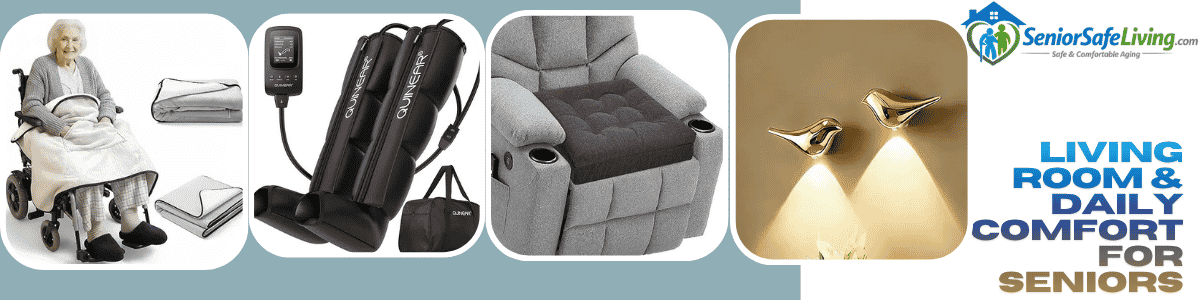


Living Room & Daily Comfort for Elderly
Living Room & Daily Comfort for Elderly: Smart Design for Safety, Ease & Happiness
Creating living room & daily comfort for elderly means designing a safe, accessible, and relaxing space that supports independence and well-being. From ergonomic furniture to proper lighting and mobility-friendly layouts, small changes can significantly improve daily life for seniors.
Understanding the Real Needs Behind Living Room & Daily Comfort for Elderly
When we talk about comfort for elderly individuals, it's not just about soft cushions or cozy blankets. It’s about creating an environment that respects their changing physical abilities, emotional needs, and daily routines.
Many families overlook how something as simple as a poorly placed table or dim lighting can increase the risk of falls. The living room is often the heart of the home—where seniors spend most of their time. That makes it the most important space to optimize.
Key needs include:
- Easy mobility and accessibility
- Reduced fall risks
- Comfortable seating and posture support
- Clear visibility and proper lighting
- Emotional warmth and familiarity
Why Living Room Furniture for Elderly Must Be Carefully Chosen
Not all furniture is senior-friendly. In fact, many modern designs prioritize aesthetics over functionality—which can be dangerous for older adults.
Choosing the right living room furnitur for elderly is essential to ensure safety and independence.
Features to Look For in Elderly-Friendly Furniture
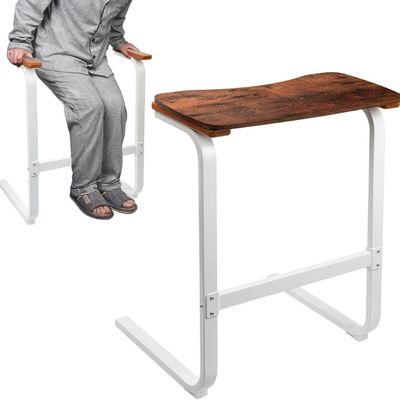
- Firm cushions: Soft sofas may seem comfortable but are hard to get up from
- Armrests: Provide support while sitting or standing
- Proper seat height: Knees should be at a 90-degree angle
- Non-slip materials: Prevent sliding or shifting
- Rounded edges: Reduce injury risks
A simple swap—like replacing a low couch with a firm, supportive chair—can drastically improve daily comfort.
Smart Layout Design for Safe Movement
Even the best furniture won’t help if the layout is cluttered. Seniors need clear pathways to move freely, especially if they use walkers or canes.
Layout Tips That Make a Difference
- Keep walkways at least 36 inches wide
- Remove unnecessary furniture
- Avoid rugs or secure them with anti-slip pads
- Ensure frequently used items are within reach
Think of the living room as a “movement-friendly zone” rather than just a decorative space.
Lighting: The Most Overlooked Comfort Factor
As people age, their vision changes. Poor lighting can lead to eye strain, headaches, and even accidents.
Proper lighting is essential for Living Room & Daily Comfort for elderly.
Best Lighting Practices
- Use layered lighting (ambient, task, accent)
- Install bright but warm LED bulbs
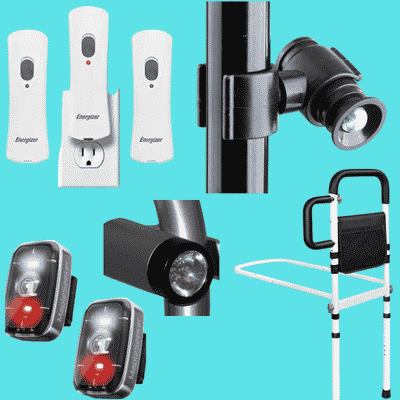
- Add motion-sensor lights for nighttime
- Place lamps near seating areas for reading
Natural light also plays a big role. Keep curtains light and allow sunlight to flow in.
Temperature and Air Comfort: The Hidden Essentials
Elderly individuals are more sensitive to temperature changes. A room that feels fine to you might feel too cold or too warm to them.
This is where products like dailies aqua comfort plus for elderly come into discussion—not as furniture, but as part of overall comfort solutions, especially for seniors with sensitive eyes or dryness issues.
How to Improve Air Comfort
- Maintain a stable indoor temperature (around 22–24°C)
- Use humidifiers to prevent dry air
- Ensure proper ventilation
- Avoid direct airflow from fans or AC
Comfort is not just physical—it’s environmental.
Flooring Choices That Prevent Accidents
Slippery floors are one of the biggest hazards for seniors. Falls can lead to serious injuries and long recovery times.
Best Flooring Options
- Non-slip vinyl flooring
- Low-pile carpets
- Rubber-backed rugs
Avoid:
- Marble or polished tiles
- Loose rugs
- Uneven surfaces
Even a small adjustment like adding anti-slip mats can significantly reduce risks.
Daily Comfort Routines That Improve Quality of Life
Comfort isn't just about space—it's also about habits. Creating simple daily routines can make seniors feel more in control and relaxed.
Examples of Comfort-Boosting Habits
- Morning sunlight exposure
- Scheduled rest periods
- Light stretching exercises
- Easy access to water and snacks
Consistency brings emotional comfort and stability.
Technology That Enhances Living Room Comfort
Modern technology can dramatically improve daily living for seniors—if used correctly.
Helpful Tech Additions
- Voice-controlled assistants
- Remote-controlled lighting
- Emergency alert systems
- Smart thermostats
These tools reduce the need for physical effort and provide peace of mind for both seniors and caregivers.
Emotional Comfort: Making the Space Feel Like Home
Physical comfort is important, but emotional comfort is just as crucial.
A living room should feel familiar, warm, and personal.
Ways to Add Emotional Value
- Display family photos
- Include favorite books or hobbies
- Use calming colors
- Add plants for a natural feel
When seniors feel emotionally connected to their space, their overall well-being improves.
Common Mistakes to Avoid
Even with good intentions, some design choices can reduce comfort instead of improving it.
- Using overly soft furniture
- Ignoring lighting quality
- Cluttering the space
- Choosing style over function
Always prioritize usability over appearance.
Budget-Friendly Ways to Improve Living Room Comfort
You don’t need a complete renovation to make a big difference.
Affordable Improvements
- Add supportive cushions
- Install grab bars near seating areas
- Replace bulbs with brighter LEDs
- Rearrange furniture for better flow
Small upgrades can have a massive impact.
How Caregivers Can Support Daily Comfort
Caregivers play a key role in maintaining a comfortable living environment.
Caregiver Tips
- Regularly check for hazards
- Adjust furniture based on needs
- Encourage movement and activity
- Listen to comfort preferences
Comfort is personal—what works for one person may not work for another.
FAQ: Living Room & Daily Comfort for Elderly
What is the best seating option for elderly people?
Firm chairs with armrests and proper height are ideal. They provide support and make sitting and standing easier.
How can I make a living room safer for seniors?
Remove clutter, secure rugs, improve lighting, and choose non-slip flooring to reduce fall risks.
Why is lighting so important for elderly comfort?
Aging eyes require more light. Proper lighting reduces strain and helps prevent accidents.
What temperature is most comfortable for seniors?
A stable indoor temperature between 22–24°C is generally comfortable for most elderly individuals.
How often should living room setups be updated?
Review every 6–12 months or whenever mobility or health conditions change.
Conclusion: Comfort Is a Combination of Thoughtful Choices
Designing the perfect Living Room & Daily Comfort for elderly isn’t about luxury—it’s about intention.
From choosing the right living room furnitur for elderly to improving lighting and daily habits, every small decision contributes to a safer, happier life.
Start with simple changes. Observe what works. Adjust as needed.
Because true comfort isn’t complicated—it’s thoughtful.