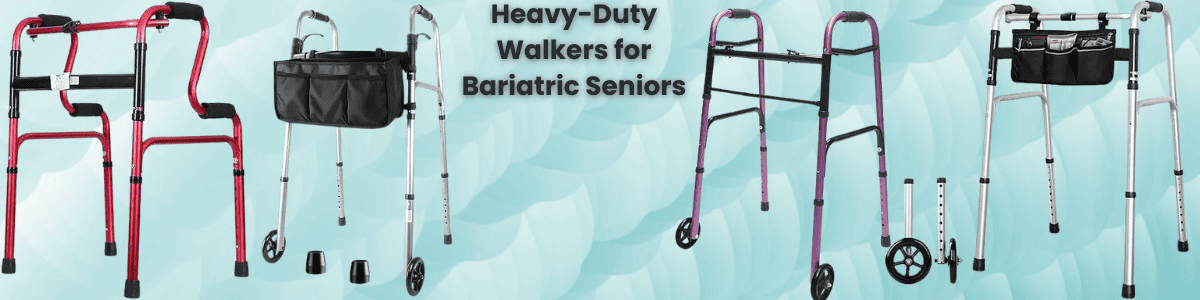
Heavy-Duty Walkers for Bariatric Seniors
Heavy‑Duty Walkers for Bariatric Seniors
Many seniors need walkers to stay active and safe, but not all walkers are made for everyone. For bariatric seniors —those who weigh more than average—finding a strong, comfortable walker is important. Regular walkers may not be safe or stable for heavier users. Heavy-duty walkers are designed to solve these issues, but many people do not know what makes them special, how to choose one, or how they can help in daily life.
This article explains everything you need to know about heavy-duty walkers for bariatric seniors . You’ll learn how these walkers are different, what features really matter, how to avoid common mistakes, and how to pick the right one. We’ll include real-world examples, practical tips, and even data tables to help you compare options easily. Whether you are a bariatric senior, a caregiver, or a family member, this guide will help you make confident choices.
Understanding Bariatric Seniors’ Needs
Bariatric seniors are older adults who weigh more than 300 pounds (136 kg). Many have unique mobility challenges—joint pain, reduced balance, and fatigue are common. For them, regular walkers can be risky. The frame may bend, wheels may break, or handles may feel uncomfortable.
A heavy-duty walker is not just stronger; it is designed to make mobility safer, more comfortable, and more stable.
Why Standard Walkers Are Not Enough
Most standard walkers support up to 250–300 pounds. If a bariatric user leans on these, the walker may wobble or collapse. This increases the risk of falls and injuries. Heavy-duty walkers often support 400, 500, or even more pounds. Their wider frames offer better stability, and their reinforced joints keep the walker strong even with daily use.
The Role Of Mobility In Health
Mobility impacts physical and mental health. Seniors who can walk safely are less likely to suffer from muscle loss, depression, or social isolation. Using a walker that matches their needs means more independence, fewer hospital visits, and better quality of life.
For bariatric seniors, the right walker is not just a tool—it’s a lifeline.
Key Features Of Heavy-duty Walkers
When choosing a walker for bariatric seniors, some features matter much more than others. Here are the most important ones to look for:
Weight Capacity
The first thing to check is weight capacity . Heavy-duty walkers usually support between 400–700 pounds. Always choose a walker with at least 50 pounds more capacity than the user’s weight. This extra margin protects against sudden stress or weight shifts.
Frame Material
Most heavy-duty walkers use steel or aluminum . Steel is stronger but heavier; aluminum is lighter but still sturdy. For very heavy users, steel is often safer. Some newer models use reinforced aluminum, which balances strength and weight.
Width And Size
A wider frame means more stability, but it must fit through doors and hallways. Measure your home’s narrowest spaces and compare them to the walker’s overall width . Most heavy-duty walkers are 24–30 inches wide. Adjustable models let you change the width for comfort.
Handle Height And Grip
Handles should be adjustable and have padded grips . This reduces strain on hands and wrists. Bariatric seniors often have larger hands, so look for walkers with thick, ergonomic grips.
Wheel Size And Type
Wheels affect how easily the walker moves. Bigger wheels (8–10 inches) roll better over carpet, grass, or uneven surfaces. Some walkers use all-terrain wheels for outdoor use. Avoid small wheels if you plan to walk outside.
Foldability And Storage
A good walker should fold easily for transport or storage. Heavy-duty models are usually bulkier, but many fold flat or have quick-release buttons. If you travel or need to store the walker often, check how it folds and how much space it needs.
Seat And Backrest
Many bariatric walkers include a seat for resting. Look for wide, padded seats (at least 18–22 inches across) and strong backrests. Some models have removable or adjustable seats.
Brakes And Safety Features
Brakes are essential for walkers with wheels. Choose models with easy-to-use, reliable brakes. Extra safety features—like anti-tip devices or reflective markings—are helpful, especially for seniors who walk outside or at night.
Discover Your Top 12 Heavy‑Duty Walkers for Bariatric Seniors
- Bariatric Walker for Seniors with Extra Wide Seat
- Bariatric Walker with Large, Height-Adjustable Seat
- Stander Space Saver Rollator Padded Seat with Backrest
- Rolling Walker Chair with Brakes & Pouch for Seniors with Seat
- Dual Height Adjustment with Seat Supports 350lb Walkers for Seniors
- Dual Wheel Bariatric Width & Height Adjustable Narrow Standard Walker for Seniors
- Folding Rolling Walker with Extra Wide Seat and Large 8-inch Wheels for Seniors 500-pound Weight Capacity
- Comfortable Steel Rollator Supports up to 500 lbs with 8 inch Wheels
- All-Terrain Wheels Rollator Walker with Seat & Tray for Seniors
- One-Handed Lightweight Foldable Rollator with Hand Brake for Elderly
- Lightweight Adjustable Walker with Motion Sensor Night Light & Storage Bag for Seniors
- Foldable and PortableTravel Wheelchair with Telescopic Handle for Seniors
Comparing Top Heavy-duty Walker Models
To help you see the differences, here’s a comparison of three popular heavy-duty walkers for bariatric seniors:
| Model | Weight Capacity | Frame Material | Width | Seat Width | Wheel Size | Foldability |
|---|---|---|---|---|---|---|
| NOVA Mighty Mack | 500 lbs | Steel | 27.5" | 20" | 8" | Yes |
| Drive Medical Bariatric Rollator | 500 lbs | Steel | 29" | 18" | 8" | Yes |
| Medline Heavy Duty Walker | 400 lbs | Aluminum | 24" | No seat | 5" | Yes |
Notice that the seat width and overall width are important for comfort and home use. The NOVA Mighty Mack and Drive Medical models are very similar, but the Medline walker is lighter and slimmer.
How To Choose The Right Heavy-duty Walker
Picking the right walker can be confusing. Here’s a step-by-step guide:
- Check the user’s weight. Find a walker with at least 50 pounds extra capacity.
- Measure the user’s home. Check doorways and hallways. Make sure the walker fits everywhere.
- Decide on wheels. If the user goes outside, pick a walker with large, sturdy wheels.
- Test handle height. Adjustable handles are best. The user’s elbows should bend slightly when holding the walker.
- Pick the right seat. If the senior rests often, choose a walker with a wide, padded seat.
- Try before buying. If possible, test the walker in person. Check how it feels and folds.
- Ask about warranty. Choose walkers with at least a one-year warranty.
Practical Tips For First-time Buyers
- Try to test drive the walker at a medical supply store.
- Look for easy-fold designs if you travel often.
- Ask about replacement parts—wheels, brakes, and grips wear out.
- Avoid buying used walkers unless you can check for damage.

Credit: amazon.com
Safety And Maintenance
Heavy-duty walkers need regular care to stay safe. Here’s how to keep them in top condition:
Regular Inspections
Check the frame, wheels, and brakes every week. Look for cracks, loose screws, or worn parts. If you notice any damage, stop using the walker until it’s fixed.
Cleaning
Clean the walker with mild soap and water. Avoid harsh chemicals—they can weaken the frame or damage the seat.
Brake Checks
Test brakes every day. If they feel loose or slow, adjust them or ask a professional for help.
Seat Care
If the walker has a padded seat, wipe it down often. Check for tears or sagging. Replace the seat if it becomes uncomfortable.
Storage
Store the walker indoors, away from moisture and extreme temperatures. Wet or cold conditions can rust steel and weaken joints.
Real-life Experiences: Bariatric Seniors Share Their Stories
Many bariatric seniors say that using a heavy-duty walker changed their lives. Here are three examples:
- John, 68, from Ohio: “My regular walker kept wobbling, and I was afraid to fall. After switching to a 500-pound model, I feel safe walking to the park and shopping. The wide seat lets me rest when I need.”
- Linda, 74, from Texas: “I tried two walkers before finding one with big wheels and strong brakes. Now I can move around my house and garden easily. My confidence grew.”
- Samira, 65, from California: “My walker folds fast, so I can take it in the car. The handles are comfortable, and I feel stable. I wish I had known about heavy-duty walkers earlier.”
These stories show how the right walker can help seniors regain independence and enjoy daily activities.
Common Mistakes When Choosing Heavy-duty Walkers
Even experienced buyers can make errors. Here are some mistakes to watch for:
- Ignoring weight capacity. Some think all walkers are strong enough, but bariatric models are made for higher weights.
- Choosing too narrow or wide. A walker that’s too wide may not fit through doors; too narrow may feel unstable.
- Skipping handle adjustment. Fixed handles may cause wrist pain and poor posture.
- Forgetting about wheels. Small wheels can get stuck on carpets or cracks. Large wheels make movement easier.
- Not checking brakes. Weak or hard-to-use brakes are risky, especially for outdoor use.
- Buying without testing. Comfort and stability are hard to judge online. If possible, test the walker before buying.
Benefits Of Heavy-duty Walkers For Bariatric Seniors
Heavy-duty walkers offer many advantages:
- Safety: Strong frames reduce fall risk.
- Stability: Wide bases keep the walker balanced, even on uneven ground.
- Comfort: Padded seats and grips make walking easier.
- Independence: Seniors can move around their home or outside without help.
- Social Life: Easier movement means more visits with friends, shopping, and outings.
Non-obvious Insights
- Insurance coverage: Many US insurance plans cover heavy-duty walkers if prescribed by a doctor. Ask your provider for details.
- Accessories matter: Bariatric walkers often support extra accessories like baskets, trays, or cup holders. These can make daily life easier but add weight.
Heavy-duty Walkers Vs Other Mobility Devices
Some seniors wonder if a heavy-duty walker is better than a wheelchair or scooter. Here’s a quick comparison:
| Device | Mobility | Independence | Exercise | Cost |
|---|---|---|---|---|
| Heavy-Duty Walker | Best for short walks, indoors/outdoors | High | Yes | $120–$400 |
| Wheelchair | Good for longer distances, limited walking | Medium | No | $250–$1,000+ |
| Mobility Scooter | Good for long trips, outdoors | Medium | No | $700–$2,500 |
For seniors who can walk short distances, a heavy-duty walker is safer and encourages movement. Wheelchairs and scooters are better for those who cannot walk at all.
Popular Brands And Models
Many companies make heavy-duty walkers. Here are some of the most trusted:
- NOVA Medical Products: Known for sturdy frames and wide seats.
- Drive Medical: Offers bariatric rollators with strong brakes and wide handles.
- Medline: Makes lightweight, affordable heavy-duty walkers.
- Invacare: Focuses on high-capacity models for very heavy users.
Always look for brands with good reviews and clear warranty policies. If possible, ask other seniors or caregivers for recommendations.
Price Range And Insurance
Heavy-duty walkers cost more than standard models. Here’s a typical price breakdown:
| Type | Price Range | Features |
|---|---|---|
| Basic Heavy-Duty Walker | $120–$180 | No seat, small wheels |
| Bariatric Rollator | $200–$350 | Padded seat, large wheels, brakes |
| Premium Bariatric Walker | $350–$450 | Extra-wide seat, all-terrain wheels, advanced brakes |
Many seniors do not know that insurance can cover these costs. Medicare and private insurance may pay for heavy-duty walkers if your doctor prescribes one. Always check with your provider before buying.
Accessory Options For Heavy-duty Walkers
Accessories can make a walker more useful. Here are some popular choices:
- Baskets and bags: For carrying groceries, medicine, or personal items.
- Cup holders: To keep drinks handy.
- Tray attachments: Useful for meals or hobbies.
- Lights and reflectors: Important for walking at night or in low light.
- Oxygen tank holders: For seniors with breathing issues.
Some accessories may not fit all models. Check compatibility before buying.
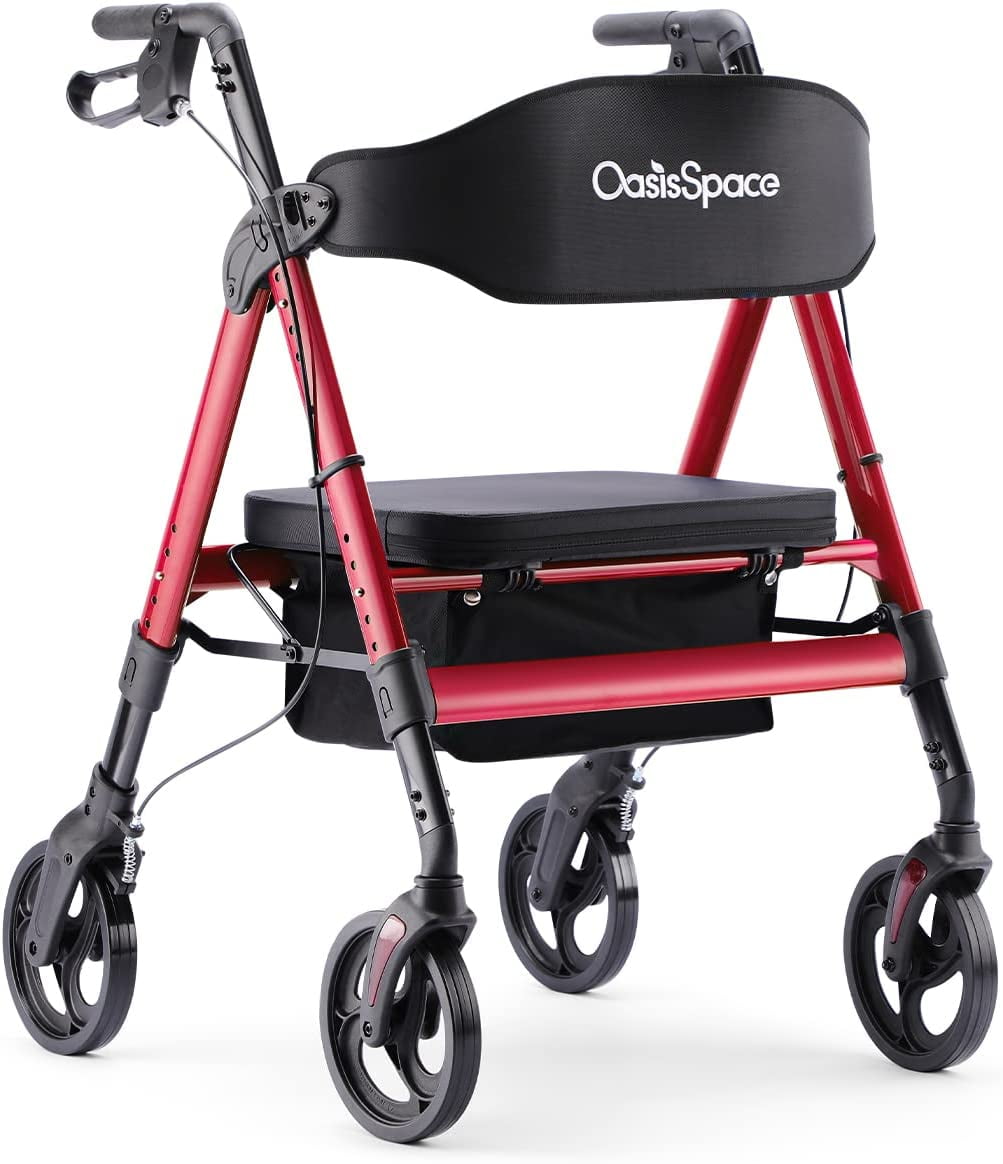
Adjusting And Customizing Your Walker
Not all walkers fit perfectly out of the box. Adjusting your walker is important for safety and comfort.
- Handle height: Adjust so your arms bend slightly at the elbow.
- Seat height: Some models let you raise or lower the seat.
- Wheel placement: Make sure wheels face forward and roll smoothly.
- Accessories: Attach baskets, trays, or cup holders where they do not block movement.
If you have unique needs, ask your supplier about custom options.
When To Replace A Heavy-duty Walker
Heavy-duty walkers last longer than standard ones, but they do not last forever. Here’s when to consider replacing yours:
- Frame damage: If the frame bends, cracks, or rusts, replace the walker.
- Brake failure: If brakes stop working and cannot be fixed, get a new walker.
- Seat issues: A torn or sagging seat can cause falls. Replace or repair as needed.
- Worn wheels: If wheels wobble or get stuck, replace them. If parts are not available, buy a new walker.
Most heavy-duty walkers last 3–5 years with regular care.
Bariatric Walkers For Outdoor Use
Outdoor walking is important for exercise and mental health. Some walkers are made for indoor use, while others are built for outdoor conditions.
- All-terrain wheels: These roll easily over grass, gravel, or pavement.
- Weather-resistant frames: Aluminum resists rust; steel is stronger but may rust if wet.
- Reflective markings: Help seniors stay visible when walking at dusk or dawn.
If you plan to walk outside often, choose a walker with large wheels and weather-resistant materials.
Bariatric Walkers For Indoor Use
Indoor walkers are usually slimmer and lighter. Here’s what to look for:
- Narrow frames: Fit through doors and hallways.
- Small wheels: Easier to turn and stop on smooth floors.
- Quiet brakes: Important for avoiding noise.
Some models are designed for both indoor and outdoor use. If you need both, look for adjustable features.

How Caregivers Can Help
Caregivers play a big role in helping bariatric seniors use their walkers safely. Here are practical ways to help:
- Check walker condition weekly.
- Adjust handle height for the user.
- Teach proper use—show how to lock brakes, fold the walker, and use accessories.
- Encourage regular walking for health and independence.
- Help with cleaning and storage.
Caregivers can also help seniors apply for insurance or find the right accessories.
Where To Buy Heavy-duty Walkers
Heavy-duty walkers are available at medical supply stores, online retailers, and hospital stores. Always buy from trusted sellers. If you buy online, check for warranty and return policies.
For more information on medical equipment, see
Frequently Asked Questions
What Is The Difference Between A Heavy-duty Walker And A Standard Walker?
A heavy-duty walker has a stronger frame, higher weight capacity, and wider seat than standard walkers. It is designed for bariatric users (over 300 pounds). Standard walkers may not be safe or stable for heavier seniors.
How Do I Know If A Walker Fits Through My Doorways?
Measure the walker’s width and compare it to your narrowest doorway. Most heavy-duty walkers are 24–30 inches wide. If your doors are smaller, look for slimmer models or adjustable walkers.
Can Insurance Cover The Cost Of A Heavy-duty Walker?
Yes, many insurance plans—including Medicare —cover heavy-duty walkers if prescribed by a doctor. Always check with your provider and ask about paperwork before buying.
What Is The Lifespan Of A Heavy-duty Walker?
With good care, most heavy-duty walkers last 3–5 years . If the frame, wheels, or brakes wear out or break, replace the walker. Regular maintenance can extend its life.
Are Heavy-duty Walkers Hard To Transport?
Some models are bulky, but many fold flat for transport. Check the walker’s weight and folding method before buying. If you travel often, choose a model with easy-fold features.
Choosing the right heavy-duty walker can seem difficult, but it is worth the effort. These walkers provide safety, comfort, and independence for bariatric seniors. By understanding the features, comparing models, and avoiding common mistakes, you can make a confident decision.
With the right walker, seniors can enjoy a more active, healthy, and fulfilling life.