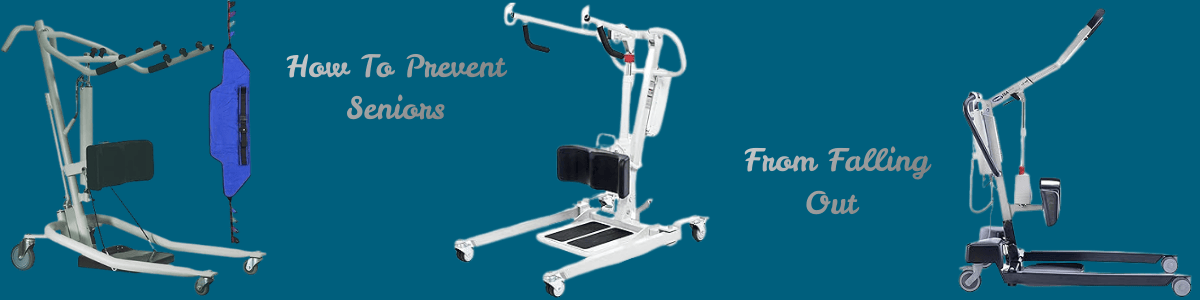
How To Prevent Seniors From Falling Out
How To Prevent Seniors From Falling Out – Safety Guide for Elderly, Disabled, and Handicap Users
When people get older, simple things like moving around the house or going for a walk can become risky. One of the biggest dangers for seniors is falling. A fall can cause serious injuries, like broken bones or head trauma. Sometimes, it even leads to a loss of independence. The good news is, most falls can be prevented. By knowing what causes falls and making some smart changes, you can help seniors stay safe and confident in their daily lives. In this guide, you'll discover clear steps, practical tips, and important insights to prevent seniors from falling out—whether at home, outdoors, or in care settings.
Understanding Why Seniors Fall
Before you can stop falls, it's important to know why they happen. Seniors fall for many reasons:
- Weaker muscles and balance: As we age, our muscles and bones lose strength.
- Vision changes: Poor eyesight makes it hard to see obstacles.
- Medication side effects: Some drugs cause dizziness or make people sleepy.
- Hazards at home: Slippery floors, loose rugs, and poor lighting increase risk.
- Medical conditions: Diabetes, arthritis, or Parkinson’s disease affect movement.
According to the World Health Organization, one in three people over 65 falls each year. After one fall, the chance of falling again doubles. This makes prevention even more important.
Creating A Safer Home
Most falls happen at home. Small changes can make a big difference. Here’s how to make a home safer for seniors:
Remove Hazards
Check every room for things that might trip someone:
- Move electrical cords, shoes, and bags out of walkways.
- Secure loose rugs with non-slip mats or remove them.
- Keep floors dry and clean up spills right away.
Improve Lighting
Good lighting helps seniors see clearly:
- Place bright lights in hallways, stairs, and bathrooms.
- Use night lights in bedrooms and bathrooms.
- Open curtains during the day for natural light.
Install Safety Devices
Some simple tools can reduce fall risk:
- Add grab bars in the bathroom near the toilet and shower.
- Put handrails on both sides of stairs.
- Use non-slip mats in showers and bathtubs.
Organize Furniture
Keep the layout simple:
- Arrange furniture to create clear paths.
- Avoid low tables and sharp corners.
- Ensure chairs are sturdy and easy to stand up from.
Encouraging Regular Exercise
Strong bodies fall less often. Exercise keeps muscles and bones healthy, improves balance, and helps with reaction time.
Best Exercises For Seniors
- Walking: Easy and effective. Try 20–30 minutes daily.
- Tai Chi: Slow movements help with balance.
- Strength training: Use light weights or resistance bands.
- Stretching: Keeps joints flexible.
A study by the CDC found that seniors who exercise regularly are 23% less likely to fall. Even simple chair exercises can help those with limited mobility.
Managing Medications Safely
Many seniors take several medicines. Some can cause dizziness, confusion, or low blood pressure.
Steps For Medication Safety
- Ask a doctor or pharmacist to review all medicines at least once a year.
- Watch for new side effects, especially after starting a new medication.
- Take medicines as prescribed—never skip doses or double up.
Mixing different drugs can increase fall risk. Make sure each doctor knows all the medications being taken.
Regular Health Check-ups
Health problems can sneak up slowly, making falls more likely.
Vision And Hearing
- Get eyes checked every year. New glasses or cataract surgery can help.
- Hearing loss can also cause balance issues. Hearing aids may improve stability.
Foot Health
Foot pain or poor shoes can make walking risky. Seniors should:
- Wear well-fitting, non-slip shoes with low heels.
- Avoid walking in socks or loose slippers.
Check For Low Blood Pressure
Some seniors feel dizzy when standing up. Doctors can adjust medicines or suggest other solutions.
Using Assistive Devices
If balance is a challenge, devices can help seniors move safely:
- Canes and walkers provide extra support.
- Raised toilet seats and shower chairs make bathrooms safer.
It’s important to get the right device and learn how to use it correctly. Physical therapists can help seniors practice and gain confidence.
Outdoor Safety For Seniors
Falls don’t just happen indoors. Sidewalks, curbs, and uneven ground can be dangerous.
Tips For Staying Safe Outside
- Wear shoes with good grip.
- Use handrails on stairs and ramps.
- Watch out for ice, wet leaves, or cracks in the pavement.
- Carry a cellphone for emergencies.
Some cities offer free or low-cost transportation for seniors, reducing the need to walk on risky streets.
Training Caregivers And Family
Family members and caregivers play a big role in fall prevention.
What Caregivers Should Know
- Learn how to help seniors stand up or move safely.
- Watch for changes in walking, balance, or mood.
- Encourage seniors to ask for help instead of risking a fall.
Caregivers should also keep emergency contacts handy and know what to do if a fall happens.
Comparing Common Fall Risks
Understanding which risks are most common helps families focus their efforts. Here’s a comparison of major fall hazards for seniors:
| Risk Factor | How Common |
| |||
| Poor Lighting | Very Common | Moderate | |||
| Loose Rugs | Common | High | |||
| Medication Side Effects | Common | High | |||
| Weak Muscles | Very Common | High | |||
| Poor Vision |
| Moderate |
As you can see, some risks are easy to fix, while others need professional help.
New Technology For Fall Prevention
Modern technology now offers extra tools to keep seniors safe:
- Fall detection devices: Worn as a pendant or watch, these alert family or emergency services if a fall is detected.
- Smart home sensors: Motion detectors can tell when someone has stopped moving.
- Video monitoring: Used with consent, cameras help caregivers check on loved ones.
Here’s how traditional and modern solutions compare:
| Solution Type | Example |
| |||
| Traditional | Grab bars, non-slip mats | All seniors, low tech | |||
| Modern | Wearable alarms, smart sensors | Seniors living alone, memory issues |
How To Talk About Fall Prevention
Many seniors feel embarrassed to talk about falls. Some fear losing their independence if they admit they need help. Here are ways to have a caring, respectful conversation:
- Focus on staying active and independent, not just “avoiding falls.”
- Talk about small changes, not big life shifts.
- Involve seniors in decisions about their safety.
If a senior resists, suggest trying one change at a time. Respect their wishes but explain the risks honestly.
Mistakes To Avoid
Even with good intentions, families sometimes make errors:
- Ignoring small warning signs—like shuffling feet or holding onto furniture.
- Thinking falls “just happen” and can’t be stopped.
- Removing all independence—seniors need to feel in control.
A balanced approach builds trust and helps seniors accept help.
Real-life Example
Consider Mrs. Tanaka, age 77. She fell in her bathroom, breaking her hip. After surgery, her family:
- Installed grab bars and a shower chair.
- Hired a physical therapist for balance training.
- Checked her blood pressure and changed her medication.
Mrs. Tanaka is now walking again, with less fear. Her story shows that fall prevention is about teamwork and small steps that add up to big changes.
Comparing Preventive Costs
Sometimes families worry about the cost of fall prevention. Here’s a basic comparison:
| Average Cost |
| |||||
| Grab Bars | $30–$80 each |
| |||||
| Non-Slip Mats | $15–$40 |
| |||||
| Exercise Classes | $20–$50 per month | Ongoing | |||||
|
| Ongoing |
Two Insights Most People Miss
Many people forget two key things:
- Small improvements matter. Even fixing one tripping hazard or adding one grab bar can prevent a serious injury.
- Mental health affects falls. Seniors who are lonely or depressed may move less, lose confidence, and become weaker. Social activities and emotional support are important for fall prevention too.
Taking Action
Don’t wait for a fall to happen. Start with a home safety check, talk to a doctor, and encourage regular movement. Make changes together, step by step. Remember, preventing seniors from falling out is about respect, teamwork, and practical solutions.
12 Best Products For Seniors Fall Prevention
1) Bedside Fall Mat for Elderly Impact-Absorbing Foam Mat for Fall Prevention
2) Fall Prevention Guard for Elderly with Motion-Activated Light, Non-Slip Grab Bar & Storage Pocket
3) Couch, Chair, Full,Twin Bed Cane for Elderly (260LBS Loading, 5 Heights, Black)
4) Standing Mobility Safety Tip to Help Get Out Car Handle Assist for Seniors & Handicap - 2Pack
5) Anti-Fall Waist Belt Auxiliary Device Constrained Band for Patients
6) Safety Anti-Fall Bed Waist Belt for the Elder People Who Cannot Control Their Bodies
7) Bed Assist Rail for Seniors (400 LBS Loading & 6 Adjustable Heights)
8) Adjustable Flat-Tube Design Bedrail for seniors with Storage Pocket and Non-Slip Handle
9) Foldable Bed Guard Rails for Seniors with Adjustable Heights & Storage Pocket
10) Elderly Assistance Products with Adjustable Double Grips, Storage Pocket, Motion Sensor Light
11) Bed Rails for Elderly ,Disabled, Handicape people
12) Portable Sitting Grab Bar for Couch, Chair, Sofa for Patients & Elderly
Frequently Asked Questions
Why Do Seniors Fall More Often Than Younger People?
Seniors often have weaker muscles, balance issues, vision problems, and medical conditions that make them less steady. Medications can also cause dizziness. These factors all increase the risk of falling.
What Should I Do If A Senior Falls?
Stay calm. Check for injuries before moving them. If they can’t get up, call for medical help. If there are no injuries, help them up slowly, and let a doctor know about the fall.
How Can I Make The Bathroom Safer For An Elderly Person?
Install grab bars, use non-slip mats, and keep the floor dry. Add a raised toilet seat or shower chair if needed. Good lighting is also important.
Are All Falls Preventable?
Not every fall can be stopped, but most can be prevented with the right steps—like removing hazards, regular exercise, and health checks.
How Often Should Medications Be Reviewed For Fall Risk?
Have a doctor or pharmacist review all medications at least once a year, or whenever a new drug is added. This helps spot drugs that might cause dizziness or confusion.
Helping seniors stay safe is possible. By following these steps, you can give your loved ones more confidence and peace of mind as they age.