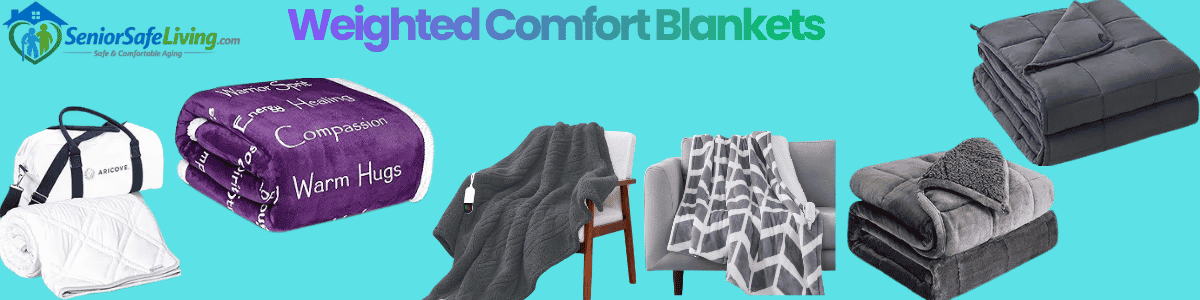
Weighted Comfort Blankets for Seniors
Weighted Comfort Blankets for Seniors: Cozy Calm, Better Rest and Safer Daily Comfort
Weighted Comfort Blankets for Seniors are calming blankets filled with evenly distributed weight to create a gentle, hug-like feeling. For older adults, the right blanket may support relaxation, bedtime comfort and quiet rest, but it must be light enough to remove easily, breathable, safe and matched to the senior’s health needs.
Why Weighted Comfort Blankets for Seniors Are Getting More Attention
Many seniors want better rest without adding another complicated product to their lives. They may feel restless at night, chilly while reading, anxious before bed or uncomfortable under regular bedding. A weighted blanket offers a simple promise: gentle pressure that feels like being tucked in securely.
That promise is why Weighted Comfort Blankets for Seniors have become popular with older adults, caregivers and families shopping for practical comfort gifts. A weighted blanket does not require batteries, apps or special training. You place it over the body, sit or lie comfortably, and let the weight settle evenly.
But seniors need more careful guidance than younger adults. A blanket that feels cozy to one person may feel too heavy to another. A 15 lb blanket may be soothing for a strong, active adult but too restrictive for someone with weak arms, breathing issues or limited mobility.
That is why the best blanket for seniors is not simply the heaviest, softest or most expensive. It is the one that feels calming while still allowing easy movement.
A good senior-friendly weighted blanket should support:
- Gentle pressure without making the senior feel trapped
- Easy removal without help
- Breathable comfort to reduce overheating
- Even weight distribution across the body
- Simple cleaning for everyday use
- Safe sizing for a bed, recliner or sofa
- Comfortable fabric that does not irritate aging skin
Think of a weighted blanket as a comfort tool, not a medical cure. It may help some seniors relax, but it should not replace medical care for insomnia, anxiety, pain, breathing conditions or nighttime distress.
How Weighted Blankets Work for Senior Comfort
Weighted blankets use firm, even pressure across the body. Many people describe the feeling as similar to a gentle hug or the secure feeling of being tucked in. This pressure is often called deep pressure stimulation.
For seniors, the appeal is emotional and physical. The weight may create a feeling of steadiness. It may help quiet the urge to toss and turn. It may make a chair, bed or sofa feel more restful during cold evenings or anxious moments.
Why the Hug-Like Feeling Matters
Aging can bring new kinds of restlessness. Some seniors sleep lighter than before. Some feel lonely in the evening. Some feel physically tense after a long day of appointments, chores or caregiving routines.
A comfort weighted blanket for Seniors can create a calming boundary around the body. That feeling may help the person settle down, especially during a bedtime routine.
Why Weight Distribution Matters
The best weighted blankets spread their fill evenly. If the filling shifts to one side, the blanket can feel lumpy, uncomfortable or unsafe. Box stitching, quilted sections or knitted designs help keep pressure balanced.
Why Seniors Need Extra Caution
A younger adult may quickly push off a blanket that feels too heavy. Some seniors may not. Arthritis, shoulder weakness, frailty, reduced grip strength, nerve sensitivity or fatigue can make a heavy blanket harder to manage.
The senior should always be able to remove the blanket without help. This rule matters more than any weight chart.
Comfort Weighted Blanket for Seniors: Benefits and Real-Life Uses
The phrase comfort weighted blanket for Seniors shows what families are really looking for. They want comfort first. They want a product that feels calming, soft and easy to use.
A weighted blanket can fit into many daily routines. It does not have to be used only at bedtime.
Bedtime Wind-Down
Many seniors use a weighted blanket during the final part of the evening. They may place it over the body while reading, praying, listening to soft music or watching a calm show.
This routine can signal to the body that the day is ending. Instead of going straight from chores or TV to bed, the blanket becomes part of a gentle transition.
Quiet Afternoon Rest
Some older adults feel restless in the afternoon. A weighted blanket over the lap or lower body can make a short rest feel more settled. This is especially useful for seniors who do not want a full nap but need a peaceful break.
Reading and Television Time
A senior who sits in a favorite chair may enjoy the steady comfort of a weighted blanket. The blanket can make TV time, reading or crossword puzzles feel cozier.
Stressful Days
Doctor appointments, family worries, bad weather, poor sleep and health changes can make seniors feel tense. A weighted blanket may help create a calming ritual after stressful moments.
Cold Weather Comfort
Some weighted blankets are warm and plush. These can help in colder seasons. However, seniors who overheat easily should choose breathable or cooling options instead.
The most important point is this: the blanket should add comfort, not effort. If a senior struggles to pull it up, move it or remove it, it is too heavy or too large.
How Heavy Should Weighted Comfort Blankets for Seniors Be?
Weight is the most important buying decision. Many adult guides suggest choosing a weighted blanket around 10% of body weight. For seniors, that rule can be a starting point, not a final answer.
Older adults often need a more cautious approach. The blanket should feel relaxing, not heavy in a stressful way. It should not press uncomfortably on the chest, shoulders, knees or feet.
Start Lighter When in Doubt
If a senior is frail, has reduced strength or has never used a weighted blanket before, start lighter. A lighter blanket can still feel soothing while reducing the risk of discomfort.
Use the “Can Remove It Alone” Rule
This rule is simple and practical. Before using the blanket for sleep, ask the senior to remove it without help. If they cannot push it off easily while seated or lying down, the blanket is not a safe choice.
Consider Body Size and Strength
A strong 180 lb senior and a frail 110 lb senior should not use the same blanket just because both are older adults. Weight selection should consider:
- Body weight
- Upper body strength
- Breathing comfort
- Mobility level
- Shoulder or arm pain
- Heat sensitivity
- Whether the senior sleeps alone
- Whether a caregiver checks in regularly
Try Short Sessions First
A senior should not use a new weighted blanket overnight immediately. Start with 10 to 20 minutes while awake. If it feels comfortable, increase the time slowly.
Watch for Warning Signs
Stop using the blanket if the senior reports:
- Shortness of breath
- Chest pressure
- Feeling trapped
- Overheating
- Dizziness
- Joint pain
- Numbness or tingling
- Anxiety instead of calm
Who Should Be Careful With Weighted Comfort Blankets?
Weighted blankets are not right for every senior. Some people may find them calming. Others may find them restrictive, hot or uncomfortable.
Seniors With Breathing Problems
Older adults with COPD, asthma, sleep apnea or other breathing concerns should ask a healthcare professional before using a weighted blanket. Pressure across the chest may feel uncomfortable for some people.
Seniors With Limited Mobility
If a senior cannot roll over, sit up or remove bedding easily, a weighted blanket can create risk. A lighter lap pad or non-weighted comfort blanket may be safer.
Seniors With Circulation Issues
Some seniors have poor circulation, swelling or vascular conditions. Weight over the legs may not feel good. In these cases, professional advice is wise.
Seniors With Claustrophobia or Panic
Not everyone enjoys pressure. Some people feel trapped under weight. If the blanket increases anxiety, it is not the right comfort tool.
Seniors With Fragile Skin or Pain
Aging skin can be delicate. Seniors with pressure sensitivity, bruising, wounds or pain may need to avoid heavy blankets or use very light options.
Seniors With Memory Problems
If a senior has dementia or confusion, caregivers should be careful. The person may not understand how to remove the blanket or may become distressed by the pressure.
Weighted Blanket Comforter for Seniors: Blanket, Throw or Comforter?
The phrase weighted blanket comforter for Seniors usually means a larger weighted blanket that covers the bed like a comforter. This can work for some seniors, but it is not always the best choice.
Weighted Blanket
A standard weighted blanket usually sits on top of the body. It may cover one person and should not hang too far over the bed. If it hangs over the sides, gravity can pull it down and make it harder to move.
Weighted Throw
A weighted throw is smaller and often better for recliners, sofas and daytime use. Seniors who only want lap or lower-body comfort may prefer this style.
Weighted Comforter
A weighted comforter is larger and more bed-like. It may look neat and cozy, but it can be harder to wash, lift and manage. For seniors with limited strength, a full comforter style may be too much.
Lap-Size Weighted Blanket
A lap-size blanket or weighted lap pad may be a safer starting point. It gives gentle pressure without covering the whole body. This can be ideal for TV time, reading, wheelchair use or short relaxation sessions.
Best Style by Use Case
- Bedtime: lightweight weighted blanket that covers one person
- Recliner: weighted throw or lap-size blanket
- Hot sleeper: cooling weighted blanket
- Limited strength: lighter lap pad or small throw
- Cold climate: plush weighted blanket if overheating is not an issue
- Easy cleaning: removable cover or fully washable design
Arctic Comfort 15 lb Cooling Weighted Blanket for Seniors: What to Consider
Some shoppers search for the arctic comfort 15 lb cooling weighted blanket for Seniors because they want both calming weight and cooler sleep. This type of blanket can be appealing for seniors who like pressure but dislike overheating.
A 15 lb cooling weighted blanket may suit some older adults, especially if they are comfortable with that weight and can remove it easily. But 15 lb is not automatically right for every senior.
When a 15 lb Blanket May Work
A 15 lb blanket may be reasonable for a senior who:
- Has enough strength to move the blanket easily
- Does not feel restricted by pressure
- Does not have breathing concerns
- Does not overheat easily despite cooling fabric
- Has tried weighted blankets before
- Prefers moderate weighted pressure
When 15 lb May Be Too Heavy
A 15 lb blanket may be too heavy for seniors who are petite, frail, weak, recovering from illness or uncomfortable under pressure. It may also feel too much for someone with arthritis in the hands, shoulders or back.
Why Cooling Fabric Helps
Cooling weighted blankets often use breathable covers, moisture-wicking materials or glass beads to reduce heat buildup. This can help seniors who want the calming pressure but do not want a hot, heavy blanket.
Do Not Buy by Product Name Alone
Product names can sound perfect, but seniors need a fit-based choice. Before buying any 15 lb cooling blanket, check:
- Exact weight
- Dimensions
- Fabric type
- Cleaning instructions
- Return policy
- Whether the senior can remove it alone
- Whether the blanket is intended for adult use
The best cooling weighted blanket is the one that feels calm, breathable and manageable for the specific person using it.
Comfort Blanket Weighted for Seniors: Fabric and Fill Matter
A comfort blanket weighted for Seniors should feel good against the skin. Fabric matters because many older adults have sensitive skin, temperature changes or fabric preferences.
Cotton
Cotton is breathable, familiar and often comfortable for year-round use. It can be a good choice for seniors who dislike plush heat.
Bamboo or Cooling Blends
Bamboo-style or cooling fabric blends may help hot sleepers. These materials often feel smooth and cool to the touch.
Microfiber or Plush
Plush fabrics feel warm and cozy. They may be excellent in winter, but too hot for seniors who sweat at night.
Knitted Weighted Blankets
Knitted weighted blankets distribute weight through thick woven fabric instead of glass beads. They can be breathable and stylish, but they may be expensive and harder to wash.
Glass Beads
Many weighted blankets use glass beads because they are small and dense. This allows the blanket to feel smoother and less bulky.
Plastic Pellets
Some blankets use plastic pellets. They may feel bulkier or make more noise. Seniors who are sensitive to texture may prefer glass beads or knitted designs.
Removable Covers
A removable cover makes cleaning easier. This matters for seniors who use the blanket daily, eat snacks nearby or share a home with pets.
Weighting Comforts Weighted Blanket for Seniors: Understanding Buyer Language
Some people type unusual phrases like weighting comforts weighted blanket for Seniors when searching for a calming blanket. They may not know the exact product name. They simply want a blanket that uses weight to create comfort.
This search behavior tells us something important. Buyers are not only shopping for bedding. They are shopping for a feeling: safety, calm, warmth and rest.
What “Weighted Comfort” Really Means
Weighted comfort means the blanket should support relaxation without creating strain. It should feel like gentle pressure, not a burden.
Comfort Is Personal
One senior may love a 15 lb blanket. Another may prefer a 7 lb lap pad. One may want plush warmth. Another may need cooling fabric. The best choice depends on the person, not the trend.
Caregivers Should Ask Before Buying
A weighted blanket may seem like a thoughtful gift, but seniors should have a say. Ask:
- Do you like heavy blankets?
- Do you get hot at night?
- Do you ever feel trapped under bedding?
- Can you lift blankets easily?
- Would you use it in bed or in a chair?
- Do you prefer soft plush or cool fabric?
These questions prevent a well-meant gift from becoming an unused product in the closet.
How to Introduce a Weighted Blanket to a Senior Safely
A new weighted blanket should be introduced slowly. Even if the blanket is the right weight, the sensation may feel unfamiliar at first.
Start During the Day
Use the blanket while the senior is awake, seated and relaxed. Try it during reading, TV time or quiet music. This allows the senior to notice how it feels without the pressure of trying to sleep.
Use Short Sessions
Start with 10 to 20 minutes. If the senior enjoys it, increase gradually. There is no need to use it all night immediately.
Place It Correctly
The blanket should lie flat and evenly. Avoid bunching it over one area. Do not cover the face or neck. If chest pressure feels uncomfortable, use the blanket over the lap and legs instead.
Keep the Room Comfortable
A warm room plus a weighted blanket may cause overheating. Use breathable bedding and check the senior’s temperature comfort.
Ask for Feedback
Caregivers should ask simple questions:
- Does it feel calming?
- Is it too heavy?
- Are you getting warm?
- Can you move your arms?
- Can you remove it easily?
Stop if It Feels Wrong
A weighted blanket should never be forced. If it makes the senior anxious, hot, uncomfortable or restricted, choose another comfort method.
Weighted Comfort Blankets for Seniors and Sleep Quality
Many families explore weighted blankets because a senior is sleeping poorly. The idea is understandable. Sleep changes with age, and poor sleep can affect mood, energy and memory.
A weighted blanket may help some seniors relax before sleep. The steady pressure can become part of a bedtime signal. However, it is not a guaranteed solution for insomnia.
Use It as Part of a Sleep Routine
A blanket works best when paired with healthy sleep habits. For example:
- Dim lights before bed
- Turn off stressful news
- Keep the bedroom cool and calm
- Use the blanket for quiet reading
- Practice slow breathing
- Go to bed at a steady time
Do Not Ignore Sleep Disorders
If a senior has loud snoring, gasping, severe insomnia, nighttime confusion, frequent falls, restless legs or daytime sleepiness, medical advice is important. A weighted blanket should not cover up symptoms that need evaluation.
Try Lap Use First
Some seniors feel best using a weighted blanket over the lap before bed rather than sleeping under it all night. This gives the calming benefit without full-night pressure.
Keep the Bed Easy to Exit
Seniors may need to get up at night for the bathroom. A weighted blanket should not make bed exits harder. If it increases fall risk, use it only while awake.
Buying Guide for Weighted Comfort Blankets for Seniors
Buying the right blanket becomes easier when you focus on safety, comfort and real use. Do not buy only because a product has thousands of reviews. Buy based on whether it fits the senior’s body and routine.
Choose the Right Weight
Start with a safe, manageable weight. If unsure, go lighter. A slightly lighter blanket that gets used is better than a heavy blanket that feels intimidating.
Choose the Right Size
A weighted blanket should usually cover the user, not the whole bed. If it hangs over the mattress, the weight may pull downward and make movement harder.
Choose Breathable Fabric
Breathability matters for seniors who overheat. Cotton, bamboo-like blends and cooling fabrics may feel better than thick plush materials.
Check Washing Instructions
Weighted blankets can be difficult to clean because of their weight. Look for machine-washable designs or removable covers. Make sure the senior or caregiver can realistically wash and dry it.
Look for Even Stitching
Box stitching or strong quilting helps keep beads in place. Uneven filling can make the blanket uncomfortable and reduce the calming effect.
Review Return Policies
A weighted blanket is personal. The senior may not like the feel. A good return policy matters, especially when buying online.
Senior-Friendly Buying Checklist
- Light enough to remove alone
- Breathable enough for the senior’s climate
- Soft fabric that does not irritate skin
- Even weight distribution
- Size suited to bed, chair or lap use
- Easy cleaning or removable cover
- No excessive pressure on chest or legs
- Clear product weight and dimensions
- Good return policy
Weighted Blankets for Recliners, Wheelchairs and Daytime Comfort
Not every senior wants a weighted blanket for bed. Many prefer using one while seated. This can be safer and more practical.
Recliner Use
A recliner is a common place for weighted comfort. Use a smaller blanket over the lap and legs. Make sure it does not get caught in the recliner mechanism.
Wheelchair Use
For wheelchair users, a smaller lap blanket or weighted lap pad may work better than a full-size blanket. It should not hang near wheels, footrests or brakes.
Sofa Use
A weighted throw can make TV or reading time more relaxing. Keep the blanket easy to remove and avoid using a large blanket that slips to the floor.
Desk Use
Some seniors use a weighted blanket while writing, using a computer or doing puzzles. A lap-size option keeps the hands free.
Caregiver Supervision
For seniors with weakness, confusion or mobility issues, caregivers should check in during use. The blanket should never limit movement or make standing harder.
Common Mistakes to Avoid When Buying Weighted Blankets
A weighted blanket can be helpful, but the wrong choice can lead to discomfort. Avoid these common mistakes.
Choosing Too Heavy
More weight does not mean more comfort. Too much weight can feel restrictive, especially for seniors.
Buying a Blanket That Covers the Whole Bed
A large weighted blanket may hang over the sides and pull downward. This can make it harder to move.
Ignoring Heat
Some seniors overheat easily. A plush blanket may feel wonderful in winter but uncomfortable in summer.
Forgetting About Washing
A blanket that is too heavy for the washing machine may become a problem. Always check care instructions before buying.
Assuming Every Senior Will Like Pressure
Some people love weighted pressure. Others dislike it. Let the senior try the blanket before committing to overnight use.
Using It During Illness Without Thought
If a senior has fever, breathing trouble, severe weakness or confusion, avoid weighted blankets unless advised by a healthcare professional.
Letting Pets Share the Blanket
Pets may add extra weight or cause the blanket to shift. They may also damage fabric or stitching. Use caution.
How to Care for a Weighted Blanket
Weighted blankets need proper care to stay comfortable and last longer. Always follow the product label first.
Use a Cover When Possible
A removable cover protects the blanket from sweat, spills, skin oils and dust. It is usually easier to wash a cover than the entire weighted blanket.
Wash According to Weight Limits
Some home washing machines cannot handle heavy blankets. Check both the blanket care label and your washer’s capacity. If the blanket is too heavy, use a laundromat or professional cleaning option if allowed.
Dry Thoroughly
A damp weighted blanket can smell musty and feel uncomfortable. Dry it fully according to the label.
Inspect Stitching
Check for loose seams, leaking beads or uneven fill. If beads shift heavily to one area, the blanket may no longer feel comfortable or safe.
Store Carefully
Store the blanket folded loosely in a dry place. Do not place it where a senior might trip over it. Weighted blankets can be heavy when dropped on the floor.
Alternatives to Weighted Comfort Blankets for Seniors
If a weighted blanket does not feel right, there are many other comfort options. The goal is calm, not forcing one product.
Non-Weighted Plush Blanket
A soft plush blanket can provide warmth without pressure. This may be better for seniors with breathing or mobility concerns.
Weighted Lap Pad
A lap pad gives gentle pressure over the thighs without covering the chest. This can be a safer starting point.
Cooling Blanket
For hot sleepers, a regular cooling blanket may be better than a weighted one.
Body Pillow
A body pillow can create a secure feeling without heavy weight.
Relaxation Routine
Breathing exercises, soft music, prayer, journaling and gentle stretching may help seniors relax without any weighted product.
Warm Clothing and Socks
For seniors who mainly want warmth, soft layers may solve the problem more safely than a heavy blanket.
Internal Link Suggestions
To improve topical authority and SEO performance, add internal links from this article to related content on your website.
- Best blankets for seniors with cold legs
- Senior sleep comfort guide
- How to choose bedding for elderly parents
- Safe relaxation products for older adults
- Cooling bedding for seniors who sleep hot
- Best gifts for elderly parents
- Daily relaxation tips for seniors
- How to make a senior bedroom safer
External Authority References
For stronger E-E-A-T, include credible references that support safety, sleep and product education.
FAQ About Weighted Comfort Blankets for Older Adults
Are weighted comfort blankets safe for seniors?
Weighted comfort blankets can be safe for many seniors when the blanket is light enough to move easily, breathable, not too hot and used by someone who can remove it without help. Seniors with breathing, circulation, mobility, nerve sensitivity or anxiety concerns should ask a healthcare professional before use.
How heavy should a weighted blanket be for an older adult?
Many adult weighted blanket guides suggest choosing a blanket around 10% of body weight, but seniors often do better starting lighter. The blanket should feel calming, not restrictive, and the senior must be able to lift and remove it independently.
Can a weighted blanket help seniors sleep better?
Some seniors may find a weighted blanket calming and helpful for bedtime relaxation, but results vary. Weighted blankets should be viewed as a comfort tool, not a guaranteed treatment for insomnia or anxiety.
Who should avoid weighted blankets?
Seniors who cannot remove the blanket alone, feel trapped under weight, have breathing problems, severe mobility limitations, fragile skin, overheating issues or certain circulation concerns should avoid using weighted blankets unless approved by a healthcare professional.
Is a cooling weighted blanket better for seniors?
A cooling weighted blanket may be better for seniors who feel warm at night, live in hot climates or dislike heavy heat. Breathable fabrics, moisture-wicking materials and glass bead filling can help reduce overheating.
Should seniors use a weighted blanket all night?
Some seniors may use a weighted blanket overnight if it feels comfortable and safe, but others should start with short daytime or evening sessions. If the blanket causes discomfort, shortness of breath, overheating or anxiety, stop using it.
Conclusion: The Best Weighted Blanket Is Calm, Safe and Easy to Remove
Weighted Comfort Blankets for Seniors can be a thoughtful comfort tool when chosen carefully. They may help older adults feel more settled during rest, reading, TV time or bedtime routines.
The key is not choosing the heaviest blanket. The key is choosing the safest and most comfortable one. Seniors need a blanket that feels calming but still allows easy movement, steady breathing and quick removal.
Start with a manageable weight, breathable fabric and the right size. Consider cooling options for hot sleepers, lap-size designs for daytime comfort and removable covers for easier cleaning. If the senior has breathing, circulation, mobility, nerve sensitivity or cognitive concerns, ask a healthcare professional before use.
A good weighted blanket should feel like comfort, not confinement. When it fits the person well, it can become a simple daily ritual that brings warmth, steadiness and peace.
Final CTA: Before buying a weighted blanket for a senior, choose comfort and safety first. Pick a breathable, manageable blanket the senior can remove alone, then introduce it slowly during a calm daytime routine.