
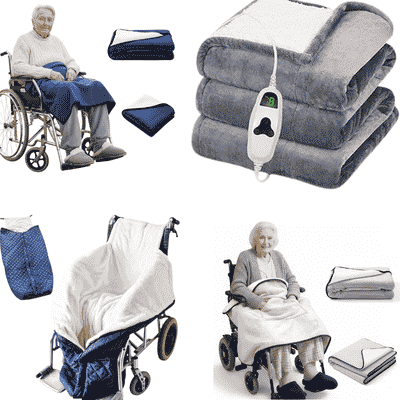

Daily Relaxation for senior
Daily Relaxation for Senior: Simple Calm Routines for Better Mood, Sleep and Peace of Mind
Daily Relaxation for senior wellness means using small, calming habits every day to reduce tension, support emotional balance and improve quality of life. Simple breathing, gentle movement, quiet hobbies, comfortable clothing, music, prayer, nature and evening routines can help seniors feel calmer without making relaxation feel like another chore.
Why Daily Relaxation for Senior Wellness Matters
Relaxation sounds simple, but for many seniors, it can change the tone of the entire day. A calm morning can make errands feel easier. A peaceful afternoon break can reduce irritability. A quiet evening routine can help the body prepare for sleep.
As people age, daily life can bring new pressures. Health appointments, changing energy levels, family worries, reduced mobility, loneliness, sleep changes and financial concerns can all add quiet stress. Sometimes the stress does not look dramatic. It appears as tight shoulders, short patience, restless sleep, shallow breathing or a heavy feeling in the chest.
This is where a simple relaxation routine helps. Seniors do not need a spa, expensive equipment or a long meditation session. They need small moments that tell the body, “You are safe. You can slow down now.”
A good senior relaxation routine can support:
- Better emotional balance
- Reduced daily tension
- Improved sleep preparation
- More comfortable breathing
- Better body awareness
- A calmer response to worry
- More enjoyable daily routines
Relaxation is not about doing nothing. It is about choosing activities that help the nervous system settle. For one senior, that may be slow breathing. For another, it may be prayer, music, stretching, crossword puzzles, gardening or sitting in a sunny chair with tea.
The best routine is the one a person can repeat. Consistency matters more than perfection.
How to Relax Daily for Senior Life Without Making It Complicated
The phrase relax daily for senior captures the real goal: make calm a daily habit, not a rare event. Many people think relaxation must be long, silent and perfectly focused. That belief stops seniors before they even begin.
In real life, relaxation can be short. It can happen in a chair. It can happen before breakfast. It can happen while listening to soft music. It can happen during a quiet walk to the mailbox.
Start With One Calm Anchor
A calm anchor is one small activity that happens at the same time every day. It gives the mind a signal. Over time, the body begins to expect that moment of peace.
Examples include:
- Three slow breaths after waking up
- A cup of tea without the TV on
- Soft music after lunch
- A short prayer before bed
- Five minutes of gentle stretching
- A crossword puzzle in the afternoon
The anchor should feel easy. If it feels like work, it will not last.
Use Familiar Places
Seniors often relax better in a familiar environment. A favorite chair, balcony, garden corner or bedside table can become a relaxation spot. The brain connects location with feeling. When the same spot is used often, it becomes easier to settle.
Keep the Routine Short at First
Start with three to five minutes. That may sound too short, but it builds confidence. A senior who succeeds with five minutes is more likely to continue than someone who tries 30 minutes and feels frustrated.
Remove Pressure
Relaxation should never feel like a test. The mind may wander. The body may still feel tense. That is normal. The goal is not perfect calm. The goal is to practice returning to calm.
Simple Daily Relaxation Exercises for Mental Health for Senior Adults
The keyword simple daily relaxation exercises for mental health for senior points to a clear need. Seniors and caregivers want exercises that support emotional wellness without being risky, confusing or physically demanding.
These exercises are gentle and practical. Seniors should choose what feels comfortable and stop any activity that causes dizziness, pain, shortness of breath or distress.
Slow Breathing Exercise
Sit comfortably with both feet on the floor. Rest the hands on the lap. Breathe in through the nose gently. Breathe out slowly through the mouth. Keep the shoulders relaxed.
Try this pattern:
- Inhale for three seconds
- Pause for one second
- Exhale for four seconds
- Repeat for two to five minutes
This exercise works well in the morning, before appointments, after stressful phone calls or before sleep.
Progressive Muscle Relaxation
Progressive muscle relaxation means gently tensing and relaxing one muscle group at a time. It helps seniors notice where they carry tension.
A simple seated version:
- Tighten the hands gently for three seconds, then release
- Lift the shoulders slightly, then let them drop
- Press the feet softly into the floor, then relax
- Tighten the legs gently, then release
- Notice the difference between tension and relaxation
This should never be forceful. Seniors with injuries, pain or muscle conditions should keep it very gentle or ask a professional first.
Five-Senses Grounding
This exercise helps when thoughts feel busy. It brings attention back to the present moment.
Ask quietly:
- What are five things I can see?
- What are four things I can feel?
- What are three things I can hear?
- What are two things I can smell?
- What is one thing I can taste?
This simple practice can calm worry because it gives the mind something steady to focus on.
Guided Imagery
Guided imagery means imagining a peaceful place. It may be a quiet beach, a village road, a garden, a prayer room or a childhood home.
The senior can close the eyes or soften the gaze. Then they imagine small details: the light, the air, the sounds, the smell and the feeling of being safe.
Gratitude Pause
Gratitude does not erase problems, but it can shift attention. Each day, seniors can name three small things that were good.
Examples:
- The tea tasted nice
- The morning sunlight felt warm
- A grandchild called
- The body felt a little lighter after walking
- The house felt peaceful in the evening
Small gratitude is often more powerful than forced positivity.
Morning Relaxation Routine for a Calmer Start
The way a senior starts the morning often shapes the rest of the day. A rushed start can create tension before breakfast. A calm start can create steadiness.
Begin Before Getting Out of Bed
Before standing, take three slow breaths. Notice the body. Move the hands and feet gently. Let the mind arrive before the body rushes into activity.
This is especially helpful for seniors who wake up anxious, stiff or overwhelmed by the day ahead.
Open the Curtains
Natural light helps signal daytime to the body. Open curtains, sit near a window or step outside for a few minutes when safe. Morning light can feel emotionally refreshing.
Drink Slowly
Whether it is water, tea or coffee, drink the first cup slowly. Avoid starting the day with loud news, stressful messages or too many tasks at once.
Use a Gentle Stretch
Simple stretches can release overnight stiffness.
- Roll the shoulders backward
- Turn the head gently side to side
- Open and close the hands
- Point and flex the feet
- Stand tall and take one slow breath
The morning routine does not need to be long. Ten calm minutes can change the emotional pace of the day.
Afternoon Relaxation Ideas to Reduce Restlessness
Afternoons can feel heavy for seniors. Energy may dip. The house may feel quiet. Worries may come up. Some people feel restless but do not know what to do.
A planned afternoon relaxation habit can prevent that low-energy period from becoming frustrating.
Take a Reset Break
After lunch, sit comfortably and breathe slowly for two minutes. This creates a clean break between the first half and second half of the day.
Try Light Creative Activity
Creative hobbies help the mind relax without becoming empty. Seniors can try:
- Coloring
- Knitting
- Writing memories
- Simple drawing
- Watering plants
- Arranging flowers
- Listening to old songs
The activity should feel enjoyable, not perfect. The process matters more than the result.
Use Music as Medicine for the Mood
Music can change the atmosphere of a room quickly. Soft instrumental music, old favorites, devotional songs or nature sounds can all support relaxation.
A senior can create a “calm playlist” for afternoons. The playlist should avoid songs that trigger sadness or overstimulation.
Connect With Someone
Relaxation does not always mean being alone. A short phone call with a kind person can calm the nervous system. Social connection can reduce loneliness and bring emotional comfort.
A simple message such as “I was thinking of you” can turn a quiet afternoon into a warmer one.
Evening Relaxation Routine for Better Sleep Preparation
Many seniors struggle with sleep. Some wake up often. Some feel sleepy during the day but alert at night. Others lie down and suddenly remember every worry they avoided earlier.
An evening relaxation routine helps the body understand that the day is ending.
Lower the Stimulation
Bright screens, loud TV, stressful news and intense conversations can keep the mind active. Seniors may sleep better when the final hour of the day feels quieter.
Evening calm can include:
- Lower lighting
- Soft music
- Comfortable clothing
- Gentle breathing
- Warm tea if suitable
- Prayer or reflection
- Reading something peaceful
Release the Day on Paper
A worry notebook can help. Seniors can write down anything they are thinking about, then close the notebook. This tells the mind, “I do not need to hold this all night.”
Use a Body Scan
A body scan is simple. Start at the top of the head and slowly notice each part of the body. Relax the forehead, jaw, shoulders, hands, stomach, legs and feet.
This exercise helps shift attention away from racing thoughts and back into the body.
Keep Bed for Rest
When possible, the bed should feel like a place for sleep and rest, not stress. If a senior spends hours worrying in bed, the mind may connect bed with frustration. A calming pre-bed routine can help rebuild that connection.
Gentle Movement as Daily Relaxation for Senior Bodies
Relaxation does not always mean sitting still. For some seniors, gentle movement relaxes the body better than silence. Movement helps release stiffness, improve mood and create a sense of control.
Seated Stretching
Seated stretching works well for seniors who have balance concerns. Sit in a sturdy chair and move slowly.
- Roll the shoulders
- Open and close the hands
- Lift one knee gently, then lower it
- Turn the ankles in small circles
- Reach the arms forward and relax
The goal is not flexibility. The goal is comfort.
Slow Walking
A slow walk can become a moving meditation. Instead of rushing, seniors can notice each step, the feeling of the floor, the air and the rhythm of breathing.
Walking indoors also works. A hallway, garden path or safe room can become a relaxation space.
Tai Chi-Inspired Movements
Slow arm movements, gentle weight shifting and mindful breathing can feel calming. Seniors should choose beginner-friendly movements and use support if needed.
Stretching With Breath
Pairing movement with breath makes stretching more relaxing. Inhale while reaching gently. Exhale while releasing. Keep everything soft.
Relaxed Gait Daily Themed Crossword for Senior Mental Calm
The phrase relaxed gait daily themed crossword for senior may look unusual, but it connects two useful ideas: mental relaxation and enjoyable brain activity. “Relaxed gait” is known as a crossword-style clue, and many seniors enjoy puzzles as a calm daily habit.
Crosswords can be relaxing because they give the mind a gentle focus. Instead of worrying about appointments, bills or family concerns, the brain works on one clue at a time.
Why Crossword Puzzles Can Feel Calming
Puzzles create a small sense of progress. Each solved clue gives a tiny reward. Seniors may enjoy that feeling of achievement, especially during quiet afternoons.
Crossword puzzles can support relaxation by offering:
- Focused attention
- A break from repetitive worry
- A sense of routine
- Gentle mental stimulation
- Enjoyable challenge
- Conversation topics with others
Keep It Fun, Not Stressful
A crossword should not become a test. If a clue feels frustrating, skip it and return later. Seniors can use hints, ask family members or choose easier puzzles.
The purpose is calm engagement, not pressure.
Make It a Relaxation Ritual
A senior can pair a crossword with tea, soft music and a comfortable chair. This turns a puzzle into a daily relaxation ritual.
For example, after lunch, sit near a window, open a crossword and solve a few clues. Even 10 minutes can feel refreshing.
Comfort Clothing and Athleta Organic Daily Relaxed Tee for Senior Ease
Comfort affects relaxation more than people realize. Tight waistbands, itchy fabric, heavy layers or restrictive clothing can keep the body slightly tense all day. Seniors often relax better when clothing feels soft, breathable and easy to move in.
The sub-keyword athleta organic daily relaxed tee for senior fits naturally into this topic. Athleta’s Organic Daily Relaxed Tee is described as an organic cotton, lightweight, breathable tee with a relaxed cut. While it is not made only for seniors, the general features people look for in this kind of relaxed tee can be senior-friendly.
Why Clothing Matters for Relaxation
The body notices discomfort even when the mind ignores it. A scratchy tag, tight sleeve or stiff fabric can create low-level irritation. Comfortable clothing helps the body settle.
Senior-Friendly Clothing Features
- Soft fabric
- Breathable material
- Room to move
- Easy washing
- No tight seams
- Simple neckline
- Comfortable fit while sitting
Relaxed Does Not Mean Careless
Relaxed clothing can still look neat. A soft tee, easy pants and supportive slippers can help seniors feel comfortable without feeling underdressed.
Choose Clothing Based on Routine
For morning stretching, choose flexible clothing. For evening relaxation, choose soft layers. For travel, choose breathable fabric and easy movement. The right clothing removes one more barrier to daily calm.
Creating a Relaxing Home Environment for Seniors
A senior’s home environment can either support calm or create constant irritation. Noise, clutter, poor lighting and uncomfortable seating can make relaxation harder.
Reduce Visual Clutter
A cluttered room can make the mind feel busy. Seniors do not need a perfect home, but one calm corner can help. A chair, small table, lamp and favorite blanket may be enough.
Use Gentle Lighting
Harsh lighting can feel tiring. Soft lamps, natural light and warm evening lighting can make the home feel more peaceful.
Control Noise
Constant background TV can keep the brain alert. Try periods of quiet or calming music. Silence may feel uncomfortable at first, but many seniors begin to enjoy it when it becomes familiar.
Add Sensory Comfort
Relaxation often comes through the senses. Consider:
- A soft blanket
- A comfortable pillow
- Fresh air
- Light fragrance if tolerated
- Plants or flowers
- A warm drink
- Peaceful music
Keep Safety First
Relaxing spaces should also be safe. Remove loose rugs, keep pathways clear and make sure lighting is good enough for walking. A calm home should not increase fall risk.
Relaxation for Seniors Who Feel Lonely or Anxious
Relaxation can be harder when a senior feels lonely, worried or emotionally unsettled. In those moments, sitting quietly may make thoughts louder. The routine needs to feel supportive, not isolating.
Use Connection-Based Relaxation
Some seniors relax best through connection. This may include calling a friend, joining a group, attending a faith gathering or spending time with family.
Connection-based relaxation can include:
- A weekly tea visit
- A short daily phone call
- A walking partner
- A prayer group
- A puzzle club
- A community class
Try Comforting Routine, Not Empty Time
Empty time can increase worry. Structured relaxation works better. For example, instead of “sit and relax,” try “make tea, play two songs and write one gratitude note.”
Use Reassuring Self-Talk
Simple phrases can calm the mind:
- “I am safe in this moment.”
- “I can take one breath at a time.”
- “This feeling will pass.”
- “I do not have to solve everything today.”
Know When More Support Is Needed
If sadness, anxiety, fear or sleep problems continue for weeks, professional support can help. Relaxation is valuable, but it should not replace medical or mental health care when symptoms are serious or persistent.
Daily Relaxation Ideas for Caregivers and Family Members
Caregivers play a powerful role in senior relaxation. A calm routine often works better when family members support it gently.
Do Not Force Relaxation
Some seniors resist relaxation because it feels unfamiliar or unnecessary. Instead of saying, “You need to relax,” try saying, “Let’s sit for tea and music for a few minutes.”
Build It Into Existing Habits
Attach relaxation to something the senior already does.
- Breathing after morning medicine
- Music after lunch
- Stretching before TV
- Prayer before sleep
- Crossword time after tea
Offer Choices
Choice protects dignity. Ask, “Would you like music or quiet?” or “Would you prefer stretching or a short walk?”
Keep the Tone Gentle
The caregiver’s tone matters. A rushed voice can make relaxation impossible. A slow, warm tone helps the senior feel safe.
Notice What Works
Every senior has different preferences. Some relax with conversation. Others need quiet. Some enjoy puzzles. Others prefer music. Watch what brings visible ease, then repeat it.
Common Mistakes That Make Relaxation Harder
Relaxation should feel simple, but a few common mistakes can make it frustrating.
Trying Too Much Too Soon
A long routine may sound impressive, but it can feel overwhelming. Start small. Two minutes of calm practiced daily is better than 30 minutes once and never again.
Using Uncomfortable Positions
Seniors do not need to sit on the floor or hold difficult poses. A sturdy chair is enough. Comfort and safety matter more than appearance.
Forcing Deep Breathing
Breathing should feel gentle. Forced deep breaths can make some people feel lightheaded. Slow, natural breathing is better.
Turning Relaxation Into a Task
If relaxation feels like another item on a checklist, it loses its purpose. Keep it pleasant, flexible and personal.
Ignoring Physical Discomfort
Pain, hunger, thirst, cold feet or a noisy room can block relaxation. Solve basic comfort needs first.
Relying Only on Screens
TV can be enjoyable, but too much screen time may not create deep rest. Seniors can balance screens with music, reading, breathing, puzzles, nature and quiet conversation.
How to Build a Personalized Daily Relaxation Plan
A personalized plan works better than a generic one. Seniors should choose activities that match their energy, interests, health and personality.
Choose a Morning Habit
Pick one calming action after waking. It might be breathing, prayer, stretching or sitting near a window.
Choose an Afternoon Reset
Pick one activity for the middle of the day. This could be music, a crossword, a short walk, a phone call or creative work.
Choose an Evening Wind-Down
Pick one habit before bed. Try a body scan, gratitude note, soft music, warm drink or gentle breathing.
Sample Daily Relaxation Plan
- Morning: Three slow breaths, open curtains, gentle shoulder rolls
- Afternoon: Tea, crossword puzzle and soft music
- Evening: Lower lights, write one worry down, do a body scan
Track What Helps
A simple notebook can help seniors notice patterns. Write down what activity was done and how the body felt afterward. Over time, the best routine becomes clear.
Adjust as Needed
Some days require more rest. Some days need more movement. A good relaxation plan should bend with life.
Internal Link Suggestions
To strengthen topical authority and improve SEO performance, add internal links from this article to related posts on your website.
- Best morning routine for seniors
- Simple breathing exercises for older adults
- Senior mental wellness tips at home
- How to improve sleep quality for seniors
- Gentle stretching routine for elderly adults
- Best relaxing hobbies for seniors
- Comfort clothing guide for older adults
- How caregivers can reduce senior stress
External Authority References
For stronger E-E-A-T, include credible external references where appropriate. These can support mental health, relaxation and older adult wellbeing information.
FAQ About Daily Relaxation for Seniors
What is the easiest relaxation habit for seniors to start with?
The easiest habit is slow breathing for two to five minutes. Seniors can sit comfortably, inhale gently, exhale slowly and repeat until the body feels calmer. It is simple, free and easy to do at home.
How long should a senior relax each day?
Many seniors benefit from 10 to 20 minutes of intentional relaxation each day. Shorter sessions, such as three minutes of breathing or five minutes of quiet music, can also help when practiced consistently.
Can daily relaxation support senior mental health?
Daily relaxation can support emotional balance by reducing tension, creating structure, improving body awareness and giving seniors a calm pause during the day. It should complement, not replace, professional mental health care when needed.
What are safe relaxation exercises for older adults?
Safe options often include seated breathing, gentle stretching, progressive muscle relaxation, listening to calming music, journaling, prayer, guided imagery, light walking and sensory grounding.
Can crossword puzzles help seniors relax?
Crossword puzzles can be a relaxing mental activity for many seniors because they create focus, routine and a sense of achievement. They work best when treated as enjoyment, not pressure.
What should seniors avoid during relaxation routines?
Seniors should avoid uncomfortable positions, forced breathing, painful stretches, overly long sessions, slippery footwear, distracting screens before bed and any exercise that causes dizziness, pain or shortness of breath.
Conclusion: Daily Relaxation for Senior Living Starts With One Calm Moment
Daily Relaxation for senior wellness does not need to be complicated. It starts with one calm breath, one quiet cup of tea, one soft song, one gentle stretch or one peaceful crossword clue.
The most effective relaxation routine is not the most impressive one. It is the one a senior can actually enjoy and repeat. Morning breathing, afternoon hobbies, comfortable clothing, slow movement, evening reflection and a peaceful home environment can all support a calmer life.
For caregivers, the best support is gentle encouragement. Do not force relaxation. Create moments that feel warm, safe and familiar.
Stress may not disappear completely, but daily relaxation can help seniors meet the day with more steadiness, comfort and peace.
Final CTA: Start today with one simple habit. Sit comfortably, take three slow breaths and choose one calming routine to repeat tomorrow. Small moments of peace can become a powerful daily practice.